

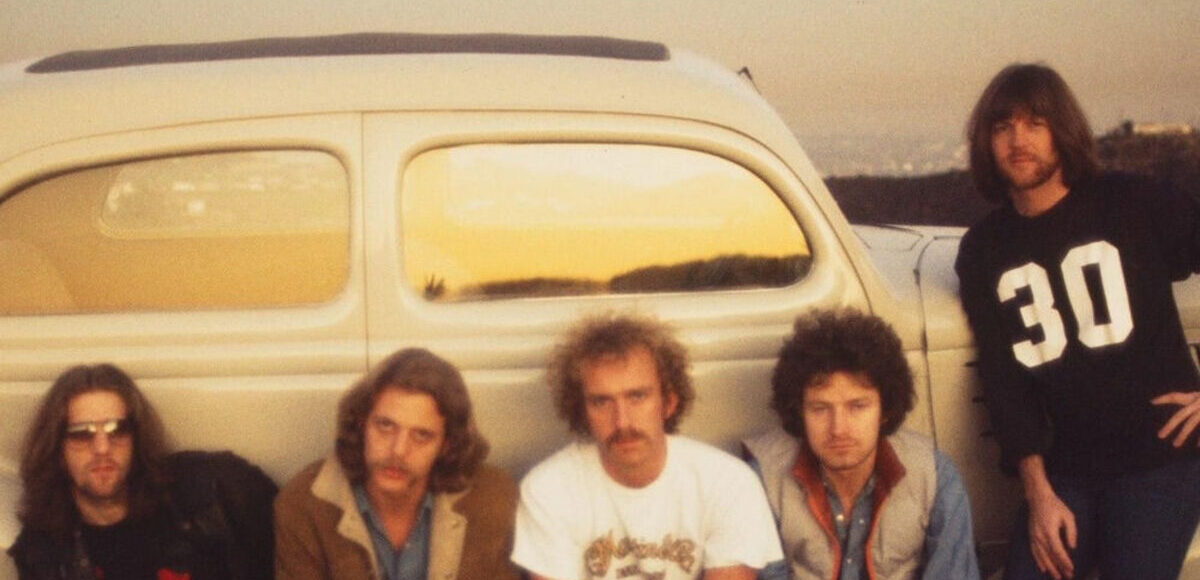
From Asylum country-rock to Hotel California scale
Glenn Frey and Don Henley met in Linda Ronstadt’s touring band, then decided the side gig should become the main job. With Bernie Leadon and Randy Meisner they signed to David Geffen’s Asylum Records and cut Eagles (1972): country-rock polish, stacked harmonies, and songs built for California radio. “Take It Easy,” co-written with Jackson Browne, announced the blend immediately: open-road lyric, clean guitars, voices locked.
Desperado (1973) leaned into Western myth without abandoning the craft. On the Border (1974) brought Don Felder’s guitar muscle and a harder edge on “Already Gone.” One of These Nights (1975) made them chart regulars; “Lyin’ Eyes” and the title track showed how far soft surfaces could still cut. The sound was often called mellow. The writing and the vocal arrangements were not lazy.
Hotel California (1976) is the scale jump. Joe Walsh joined after Leadon’s exit; Felder and Walsh traded the title track’s dual-guitar coda while Henley sang the parable of excess. Recorded partly at Criteria in Miami and mixed with Bill Szymczyk’s careful ear, the album sold worldwide and stuck to FM radio for decades. “New Kid in Town” and “Life in the Fast Lane” kept the hit sequence moving.
Harmony was the brand and the weapon. Frey, Henley, Meisner, and later Timothy B. Schmit built choruses where no single voice had to shout. Live, the band could recreate studio detail without turning songs into jams for their own sake. Critics sometimes sneered at the polish. Audiences bought tickets anyway.
Crosby, Stills & Nash harmony logic, Jackson Browne’s open-road lyric, and country picking from Bernie Leadon’s banjo years all fed the first records before Joe Walsh brought rock bluntness. Listen for Henley’s dry rimshot stories, Frey’s street-smart tenor, stacked thirds that never crowd the lyric, and dual-guitar codas that feel rehearsed, not improvised for show. That precision is why FM radio treated them as a system, not a jam band.
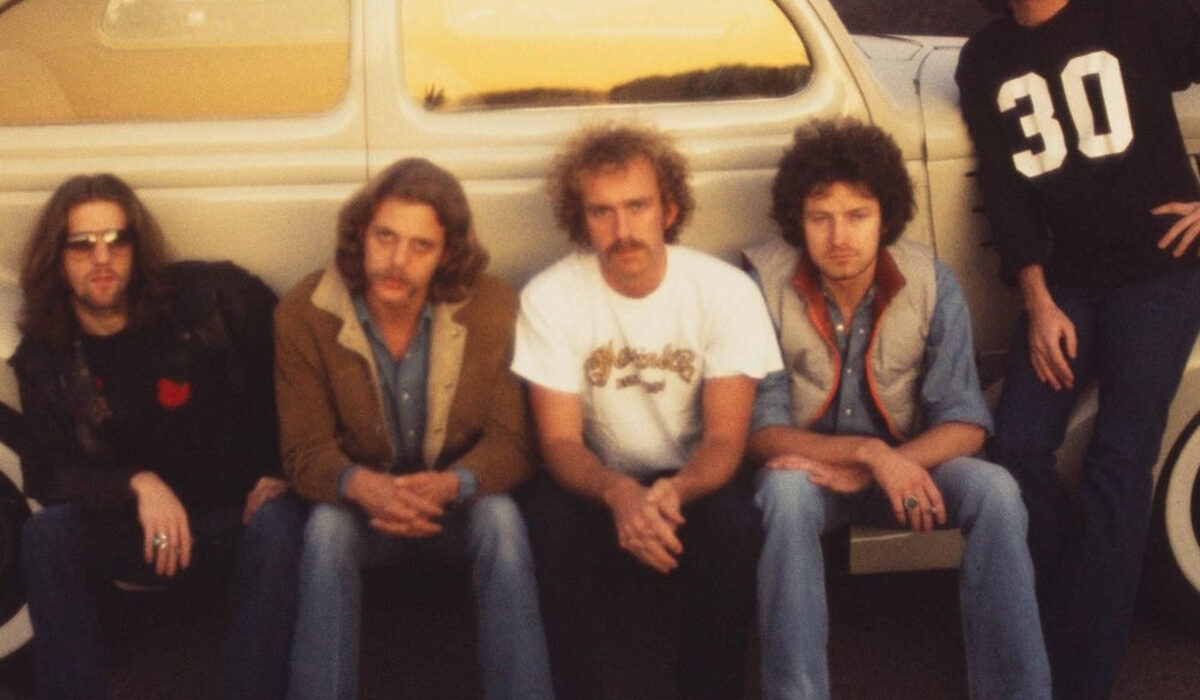
The Long Run (1979) arrived late and strained, with “Heartache Tonight” still proving the hit machine worked under pressure. Internal fights, cocaine, and exhaustion broke the classic lineup. The 1980 breakup looked final until Hell Freezes Over (1994) proved the catalog could reopen the rooms.
Asylum’s 1970s roster (Ronstadt, Browne, the Eagles) defined a West Coast craft ethic: songs demoed tight, harmonies rehearsed like choir parts, guitars bright without mud. The Eagles took that ethic into stadiums without dropping the detail. When Meisner left and Schmit arrived, the high tenor slot stayed filled; when Leadon left and Walsh arrived, the guitar vocabulary widened toward rock without abandoning country roots.
Their Greatest Hits (1971–1975) became one of the best-selling albums in American history, a compilation that sometimes overshadowed the studio albums in casual talk. Serious listeners still go back to the album sequences: the way Desperado hangs together, the way Hotel California paces ballad and rocker. The hits package paid the bills; the albums explain the reputation.
Lawsuits over credits and trademarks later showed how valuable the name had become. For listeners, the argument stays simpler: stacked vocals, clean storytelling, and a dual-guitar coda that guitar shops still demonstrate on weekends.
Later decades mixed residencies, lawsuits, and farewell tours that refused to stay farewell. Frey’s death in 2016 closed a chapter; Deacon Frey and Vince Gill kept the live machine running with Henley’s consent. The records remain the argument: California country-rock engineered like pop, with a rimshot that still snaps.
Henley’s solo career and Frey’s acting side projects never fully replaced the band brand. When the Eagles reconvened, audiences came for the stacked choruses they already knew by heart. That is the cost and the gift of writing radio standards: the songs outlive the arguments that made them.
The Eagles did not invent harmony singing. They industrialized it for the FM age and left Hotel California as proof that a soft surface can hide a hard story.