Los Angeles, 1991-2000
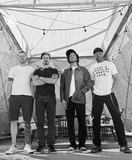
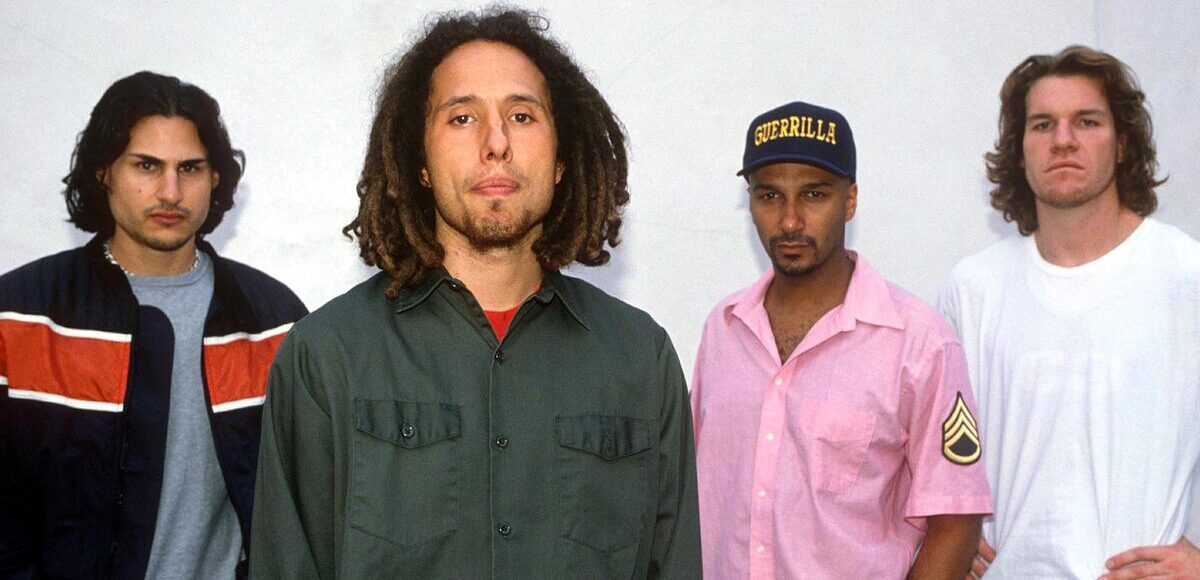
In Los Angeles in 1991, Zack de la Rocha’s barked lines met Tom Morello’s toggle-switch guitar over a rhythm section that treated protest like a groove. Tim Commerford’s bass and Brad Wilk’s drums locked hip-hop pocket to hard-rock weight. The four had met through the local scene: de la Rocha from East LA roots and spoken-word habits, Morello from Harvard and union politics, Commerford and Wilk from earlier bands that valued volume and swing.
The self-titled debut, Rage Against the Machine (1992) on Epic, opened with “Bombtrack” and made “Killing in the Name” a radio problem: the cursed outro refused to soften for daytime play. Morello’s guitar rarely chased blues solos. He used kill switches, hex wrenches and whammy to fake DJ scratches and sirens. De la Rocha wrote like a pamphlet that had learned to rhyme. The band played Lollapalooza, raised fists onstage, and kept the messaging concrete: labour, policing, Latin America, corporate radio.
Early shows opened for hip-hop and metal bills that did not always share a crowd. The band forced the overlap. “Bullet in the Head” and “Know Your Enemy” worked as club weapons before they became festival standards. Video clips kept the politics on camera: burning flags, street footage, no soft-focus romance. Morello’s degree and de la Rocha’s community ties were not marketing copy; they showed up in setlists and benefit gigs.
Evil Empire (1996) hit number one in the US with “Bulls on Parade” and “People of the Sun”. The Battle of Los Angeles (1999) followed with “Guerrilla Radio” and another chart peak. Bass and drums stayed danceable under the slogans. Without that pocket, the speeches would have floated. Commerford and Wilk are why the fist could also be a bounce.
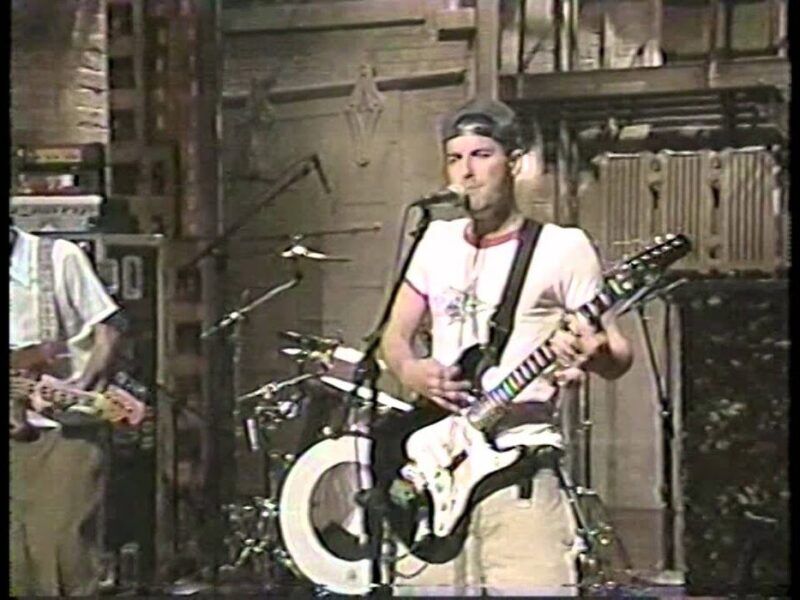
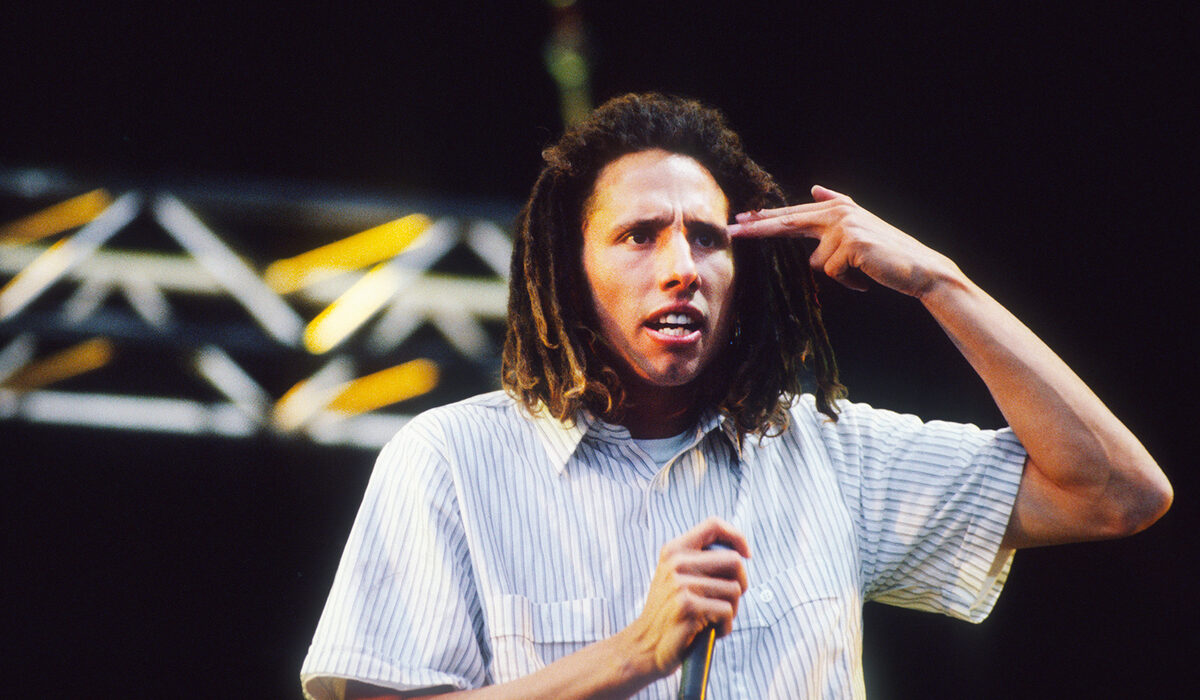
Live, the songs were blunt instruments. De la Rocha paced the lip of the stage; Morello’s “Arm the Homeless” guitar looked like a prop until it screamed. Renegades (2000), a covers record of Springsteen, Dylan, Afrika Bambaataa and others, arrived as the original run was already cracking. Covers proved the method travelled: take someone else’s song, strip the courtesy, leave the skeleton dancing. The original albums still hit harder because the skeletons were theirs.
De la Rocha left. The machine stopped. Side projects (Audioslave, Prophets of Rage, solo work) never fully replaced the four-piece chemistry. Reunions came later: Coachella 2007, then more dates, then long silence again, then a 2020 stadium run cut short by injury. Interview clips show Morello quoting labour history while de la Rocha refuses soft answers. When they played, the PA carried both the riff and the lecture.
What sets Rage apart from later rap-metal is the politics named in the lyric and the funk in the rhythm section. Korn and Limp Bizkit borrowed the aggression without the pamphlet. Public Enemy shared the anger but not the Marshall stack. Rage sat in the middle: hip-hop cadence, metal weight, Marx and Zapatista references in choruses you could shout in a field.
The debut’s naked body art and the later staging never hid the musicianship: odd time flickers, stop-start drops, Morello tapping like a drum machine wearing a guitar strap. Technique served the argument, not the other way round. Festival mud and daytime slots never softened the delivery. Even on bright afternoons the songs sounded nocturnal.
Start with the self-titled album in order, then Evil Empire for the peak charts run, then The Battle of Los Angeles for the tightened groove. “Killing in the Name,” “Bulls on Parade,” and “Guerrilla Radio” are the three-door entry for any playlist.
What remains is a short, loud catalogue with no filler ballads. Rage Against the Machine made rap-metal mean something specific: funk first, then noise, then a lyric that named who owned the room. The fist was not branding. It was the point of the song.