




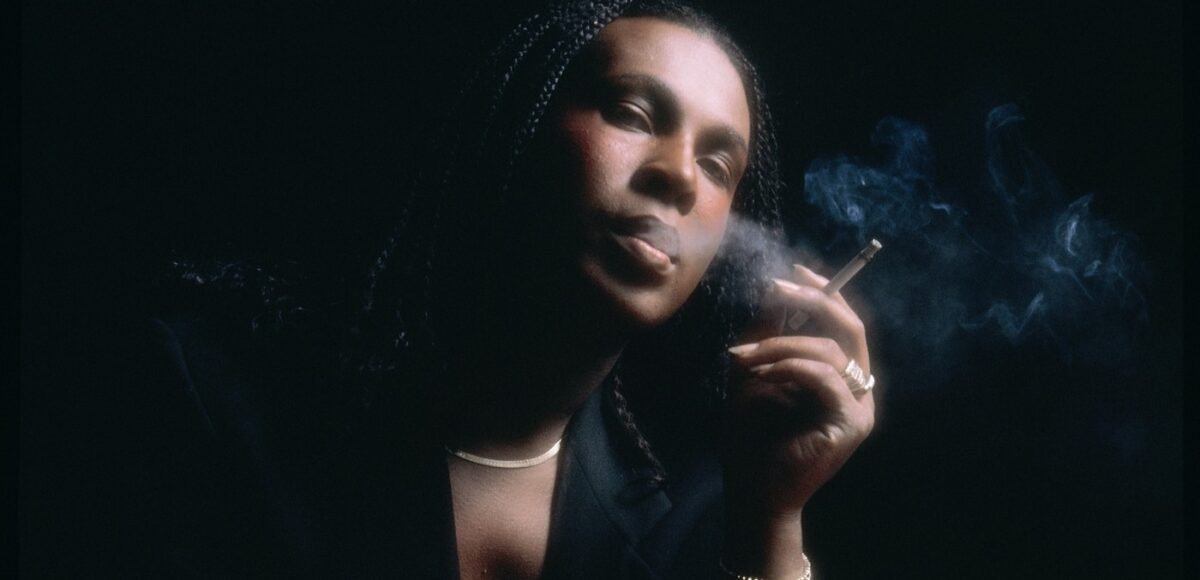
Fantasy 1978, Step II: Cowley synths, gospel falsetto, dance floor
You Make Me Feel (Mighty Real) hit in 1978 at disco’s commercial peak, from Sylvester’s Fantasy Records album Step II. Sylvester James Jr., raised in a Pentecostal church in Los Angeles and based in San Francisco’s Castro scene, brought gospel phrasing and an unapologetic queer glam image to the club circuit. Harvey Fuqua and Sylvester produced. Patrick Cowley added synthesisers and effects after hearing a rehearsal: what began as a more piano-and-gospel sketch became one of the era’s clearest electronic disco statements, in the wake of Donna Summer’s I Feel Love. James Wirrick co-wrote with Sylvester. Martha Wash and Izora Rhodes (Two Tons o’ Fun, later the Weather Girls) sing backing vocals.
The single version runs shorter than the album cut (about 3:35 versus roughly 6:40); both ride a steady dance kick, flickering synth lines, and a sustained high vocal aimed straight at the dance floor. The lyric does not hide gender play or Black queer presence behind coded pronouns. Sequins, falsetto, and a beat built for all-night rooms function as radio hit and community signal at once. The arrangement stacks handclaps, synth pulses, and that regular kick under a vocal that states the joy out loud. Disco’s commercial peak gave the single room on radio that still hesitated over queer performers.
It reached number 1 on Billboard’s Dance Club chart, number 36 on the Hot 100, number 20 on Hot Soul Singles, and number 8 in the UK. Step II went gold and peaked near the Top 30 of the Billboard 200. Fantasy even pressed pink promotional vinyl. Decades on, pride playlists and disco revival sets still reach for this recording because the facts stay simple: a Black gay star put a church-trained voice on a Cowley electronic pulse and forced mainstream dance radio to play it. In 2019 the Library of Congress added the song to the National Recording Registry.
Robert Christgau heard “one of those surges of sustained, stylized energy that is disco’s great gift to pop music.” The description still matches the record. Hi-NRG and later dance forms kept quoting this vocal and these synths. On a modern playlist the 1978 Fantasy mix still takes room. The title’s claim stays as direct as it was in 1978.
The song is one of those surges of sustained, stylized energy that is disco’s great gift to pop music.
(Robert Christgau, Village Voice, 1978)
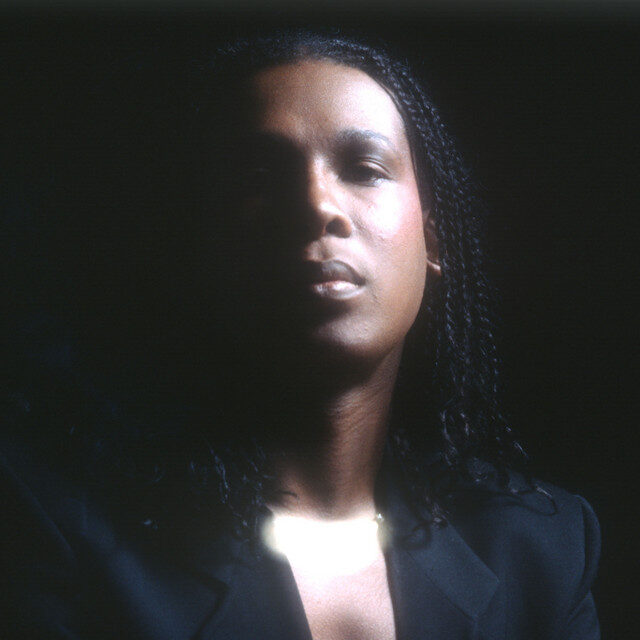
What followed is chart disco that kept a queer lyric on mainstream radio, and a model that later club records kept borrowing. Wash and Rhodes’s answers, Cowley’s electronics, Fuqua’s Motown-trained ear, and Sylvester’s falsetto still work as one record rather than a novelty single.
The opening is the synth pulse. Sylvester’s falsetto sits on it, and once the kick settles the arrangement does not soften the lyric.
Maya | 6 October 2026
|
That detail though. Yes.
Tom Riff | 7 October 2026
|
This is the track I put on to test new speakers. Sylvester never lies.
Jacques | 8 October 2026
|
Bass line on You Make Me Feel (Mighty Real) is the whole argument. Rest is decoration. Coffee got cold while I finished the article. Acceptable.
Marc G. | 8 October 2026
|
First time I heard You Make Me Feel (Mighty Real) was on a burned CD. Still got the scratches in my head. Good piece.
Noah | 9 October 2026
|
Kinda basic of me but You Make Me Feel (Mighty Real) is still top 5 Sylvester for me. Anyway.
Sam W. | 9 October 2026
|
Cool. Now I want the deep cuts around You Make Me Feel (Mighty Real) too. Just saying.
Marie-Claire | 10 October 2026
|
I argued with my brother about You Make Me Feel (Mighty Real) for years. This is my exhibit A. That is all.
Harold | 11 October 2026
|
Read this, then put You Make Me Feel (Mighty Real) on loud. That was the move. Good piece.
Fatima | 11 October 2026
|
Still puts You Make Me Feel (Mighty Real) on whenever I need a reset. Never gets old. Might be recency bias but I do not care today.
Dan | 12 October 2026
|
My dad played Sylvester in the car. You Make Me Feel (Mighty Real) is basically my childhood commute. Sharing this in the group chat. Expect chaos. Good piece.
Rosa | 13 October 2026
|
Still puts You Make Me Feel (Mighty Real) on whenever I need a reset. Never gets old.
Zoé | 13 October 2026
|
I show You Make Me Feel (Mighty Real) to friends who say they hate that era. Works every time. Might be recency bias but I do not care today.
Anne | 14 October 2026
|
Read this, then put You Make Me Feel (Mighty Real) on loud. That was the move. Coffee got cold while I finished the article. Acceptable.
Greg | 15 October 2026
|
Short take: the groove on You Make Me Feel (Mighty Real) still feels unfair. Coffee got cold while I finished the article. Acceptable.
Ben | 16 October 2026
|
Still puts You Make Me Feel (Mighty Real) on whenever I need a reset. Never gets old. Coffee got cold while I finished the article. Acceptable.