




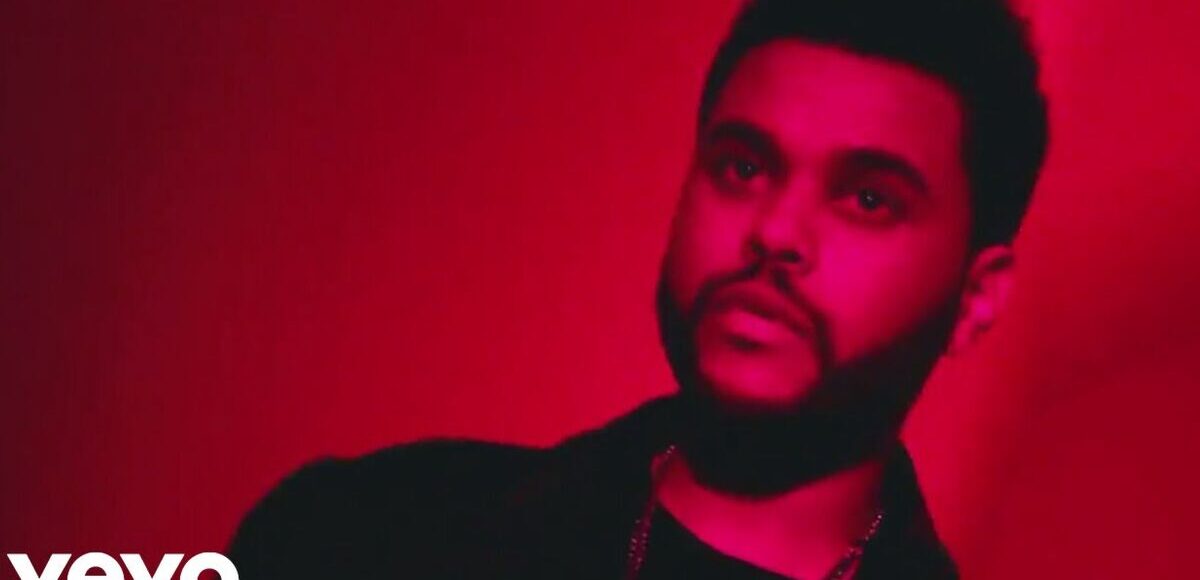
2016: Starboy cut, Ben Billions & Doc McKinney, Lana Del Rey uncredited
Party Monster appears on The Weeknd’s 2016 album Starboy. Abel Tesfaye enters low in the mix, almost speaking the first lines. Producers Ben Billions and Doc McKinney keep the arrangement spare: heavy low end, stacked reverb on the vocal, and loops that repeat until they feel like habit. Filtered synths open the track; the drum pattern never rushes. The song leans night-shift R&B, not a festival drop. The arrangement stays close and does not open into a big drop.
Lana Del Rey’s uncredited vocal hangs in the background like a second narrator. It adds faded glamour without taking the chorus. The hook turns on repetition. Lines about waking up beside someone whose name he does not know land as routine, not shock. Between adrenaline and numbness, Tesfaye describes fame-era excess the way his earlier mixtapes did, only with a cleaner focus and more space left in the mix.
House of Balloons and Beauty Behind the Madness already mapped club nights and comedowns. Party Monster tightens the frame. Images of neon, pills, and empty mornings stay specific. The vocal sits just above the beat, never shouting over it. Silent bars between phrases do as much work as the words. Nothing here aims for a bright key change to sell the single.
Sam Murphy at The Interns called it a dark, hazy banger that returned Tesfaye to the shadowy, hedonistic territory of the early work. The lyric moves from the night out to the next morning. Synths shimmer without turning into disco bounce. The voice stays controlled instead of climbing the scale. With the vocal kept low and even, the excess reads as a scene he describes.
Republic and XO rolled Starboy as a global pop campaign; Party Monster kept a darker lane open inside that rollout so the album would not live only on daytime radio. Streaming playlists filed it next to older Weeknd night tracks, which helped new listeners reverse-engineer the mixtape years from a 2016 entry point. McKinney’s longer history with Tesfaye (including earlier album work) shows in the patience of the loop writing. Billions’s contemporary hit craft keeps the low end competitive with brighter singles on the same LP.
Party Monster is a dark, hazy banger that sees The Weeknd return to the kind of shadowy, hedonistic territory that made his early work so compelling.
(Sam Murphy, The Interns, 2016)
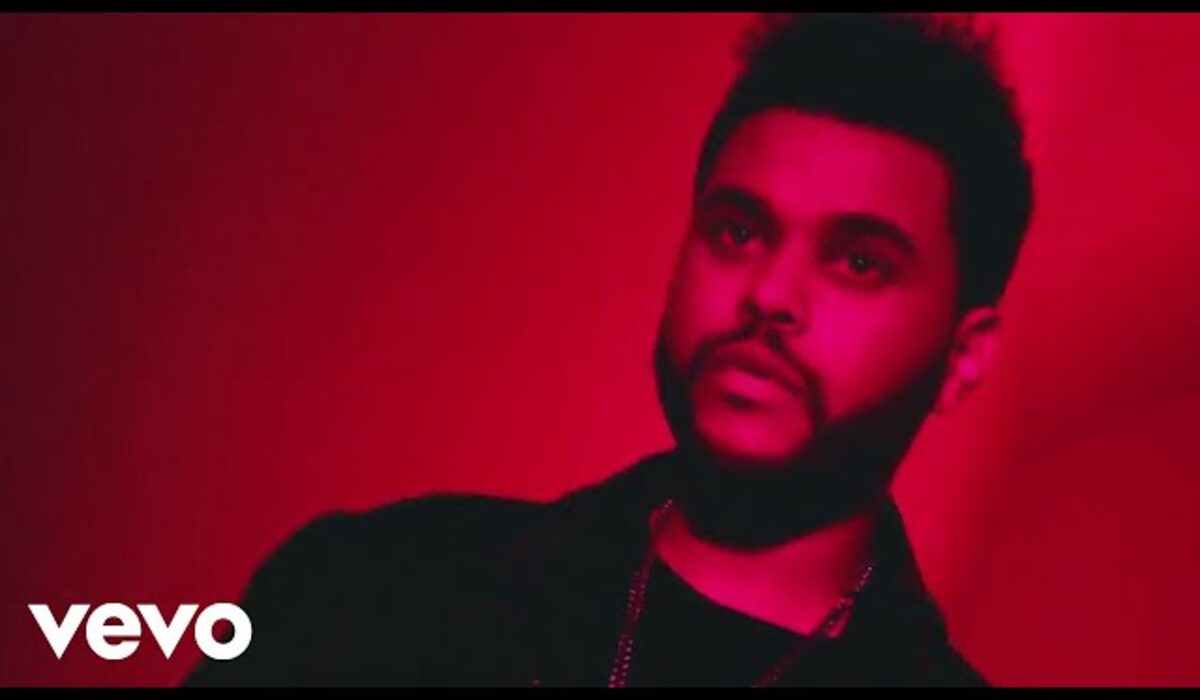
Party Monster holds its place on Starboy because the groove stays intentional and the mood does not break for a radio-friendly lift. It does not sprint to a climax. It stays in that night mood at a steady pace. Years later it still works on late playlists next to the older Toronto mixtape cuts.
The track shows Tesfaye could widen the sound and keep the night tone of the early mixtapes. Put it on when you want Starboy without the brighter singles.

Bruno | 12 October 2026
|
Radio killed Party Monster for me for years. Came back last month. Instant regret for waiting.
Paulo | 13 October 2026
|
First time I heard Party Monster was on a burned CD. Still got the scratches in my head.
Zoé | 13 October 2026
|
Simple song, big feeling. Party Monster still does that. I told my coworker and they shrugged. Their loss. Fight me.
Noah | 14 October 2026
|
The production notes here made me replay Party Monster twice. Nice catch.
Louise | 15 October 2026
|
I show Party Monster to friends who say they hate that era. Works every time. Anyway.
Jacques | 15 October 2026
|
Anyone else think the live versions of Party Monster are better? Studio still wins for me though.
Anne | 15 October 2026
|
Read this, then put Party Monster on loud. That was the move. Coffee got cold while I finished the article. Acceptable.