From Sunset self-press to Sony France and Le Brio
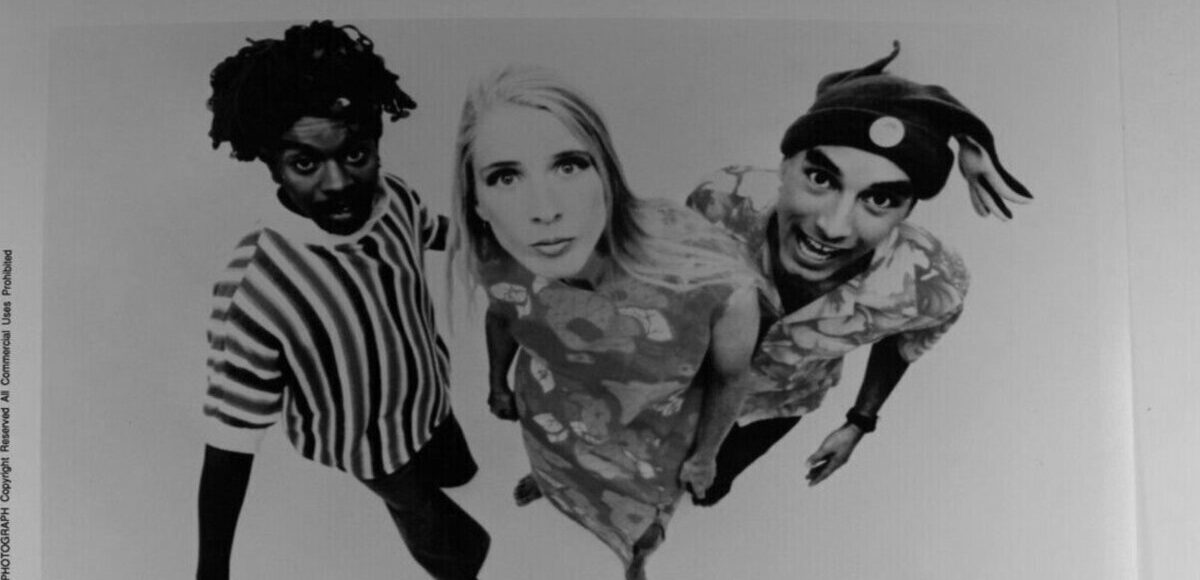
Big Soul were a California trio who found their loudest spotlight in France. Caroline Wampole played bass and sang. Kelleth Chinn played guitar. Adam Newman, then Dean Jenkins, held drums. Between 1989 and 1995 they worked clubs from Los Angeles to San Francisco and pressed their own records when majors would not return calls. The story that stuck: a French traveler bought a self-pressed disc on Sunset Boulevard, carried it home, and a DJ at Le Niel’s in Paris dropped “Hippy Hippy Shake” until the floor filled.
The sound was handmade club funk: grit under rock guitars, samples cutting through, French phrases arriving without apology. They were never a French band by passport. They became a French story by reception, an American act whose first real release event happened on a Paris dancefloor and in a Sony corridor.
Big Soul (1995), the debut album, sounded ready for both indie vinyl and major promotion. “Le Brio (Branchez la guitare)” became a national wink: a guitar plugged into a language that was not theirs and somehow fit daytime radio. Sony France heard the club heat, found the band, and treated the record as a summer event while American radio still moved slowly.
“Hippy Hippy Shake” and “Le Brio” landed on video channels and FM playlists. Wampole’s bass lines walked like conversation. Chinn’s guitar answered with short, bright phrases. The drums left air where other bands would fill every bar with noise. The California trio suddenly belonged to French festivals, living rooms, and heatwave memory.
Love Crazy followed in 1997 with “Julene” and “Pick Up The Telephone,” stretching the palette while keeping a rhythm section that refused to hurry for fashion. Tours sealed the bargain: California accents on French stages, French choruses shouted back from the floor. Television and press framed them as useful outsiders, sunny enough for summer radio, odd enough for alternative playlists.
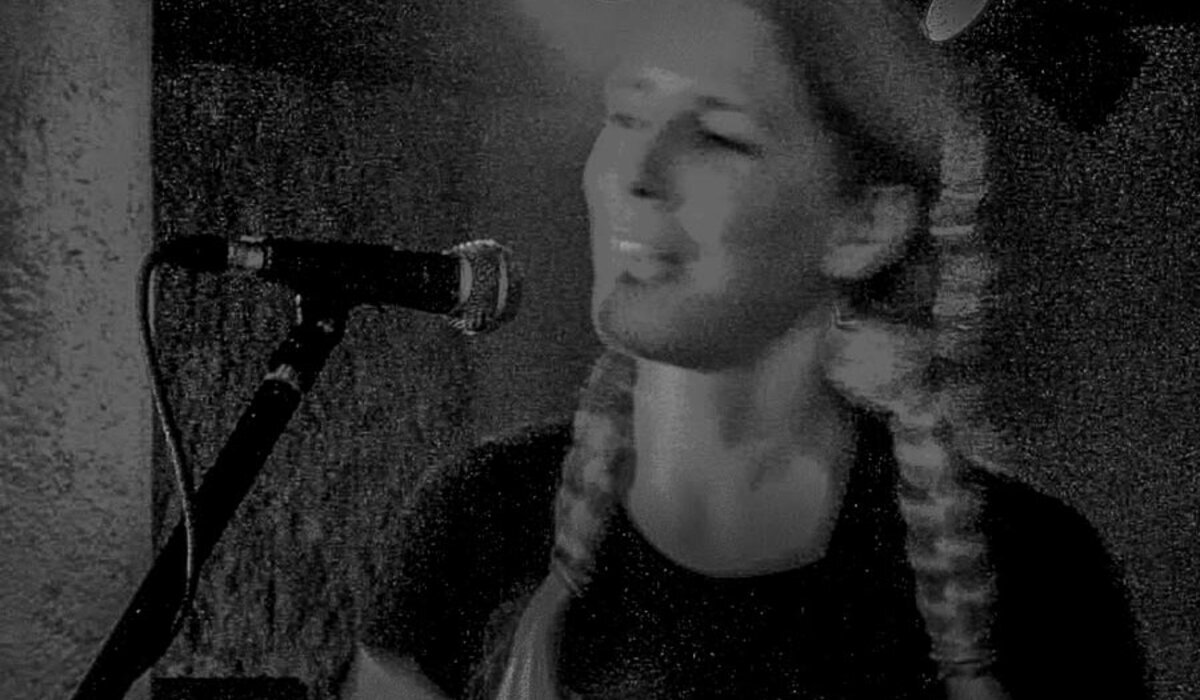
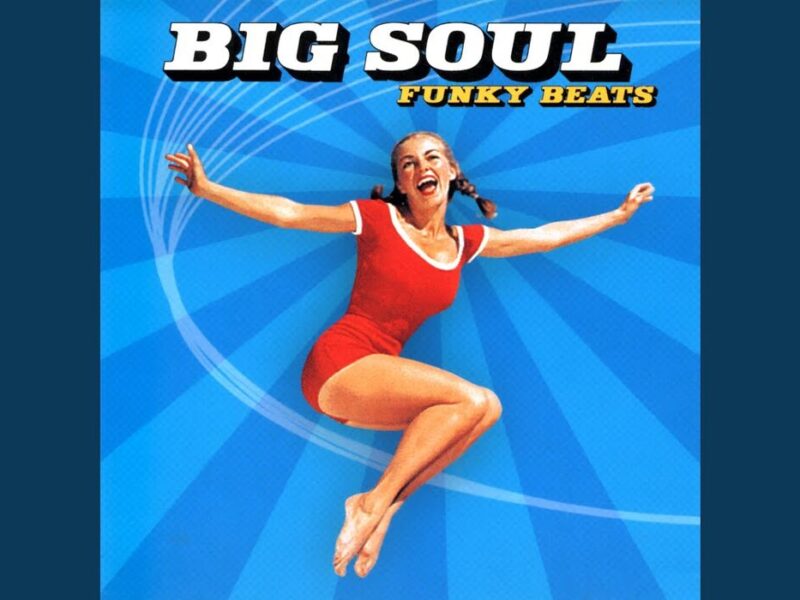
Later came soundtrack work for Hors Service (2001) and the compilation Funky Beats (2002). The active recording window was short by rock-history standards and long by dancefloor memory. The catalogue still circulates among listeners who remember when “branchez la guitare” was both an instruction and a joke. Reissues and streaming playlists have kept the trio visible to listeners who never saw a Sunset self-press but still respond to a bassline built for movement.
Influences sit in the mix if you listen: West Coast funk, rock guitar bite, sample culture of the early 90s, and the European appetite for groove with a foreign accent. Big Soul did not chase grunge or Britpop; they chased rooms that wanted motion without ceremony.
Sonically, start with round bass, dry guitar stabs, drum pockets that breathe, and vocals that sit forward without belting. The production often feels independent: close, slightly rough, honest about club intent. That grain is part of the charm on “Hippy Hippy Shake” and “Le Brio.”
Entry points are obvious for French listeners and useful elsewhere. Big Soul for the debut burst. Love Crazy for the follow-up singles. Start with “Le Brio” and “Hippy Hippy Shake,” then “Julene” to hear how the trio stretched without losing the pocket.
Beside Red Hot Chili Peppers or Fishbone, Big Soul shared California groove ambition but with a Franco-club reception story majors rarely script. Beside French dance acts of the same decade, they arrived as imports rather than Paris studio products. What distinguishes them is the double address: Pacific grit recorded into existence, European charts claiming the result as a sunny import.
Play “Le Brio” again and you hear a guitar cable, a French imperative, and three Californians who briefly soundtracked a country that adopted them. The point was never purity of origin. The point was a bassline that crossed an ocean and still made a room jump. That booking lesson still repays attention.