
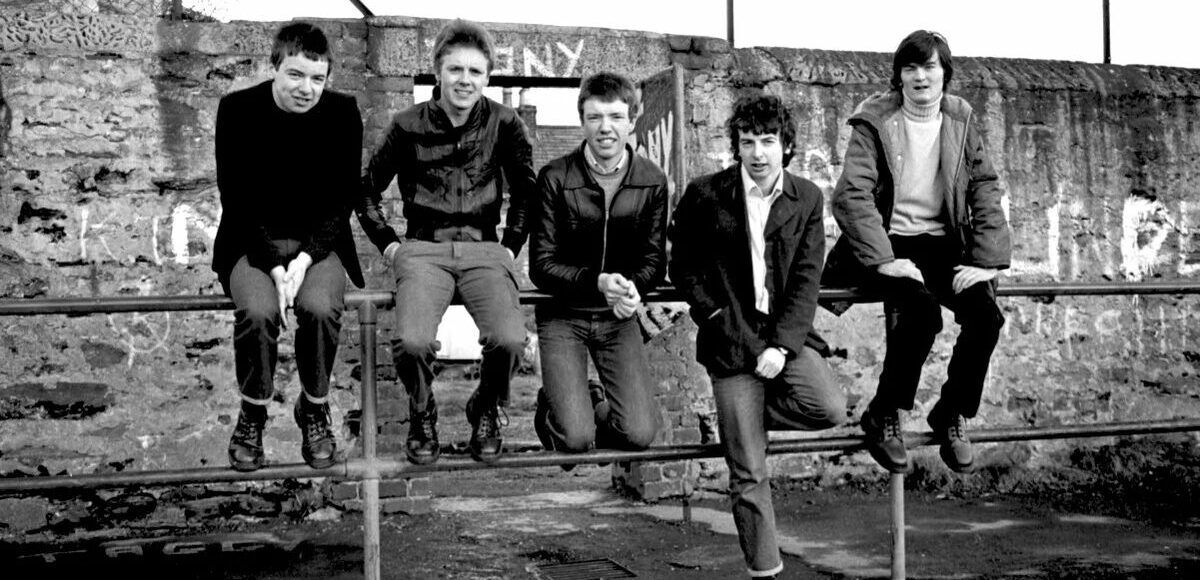
John Peel, two minutes twenty-eight of desire
Teenage Kicks lasts two minutes and twenty-eight seconds and still ranks among the cleanest pop-punk bargains of the late 1970s. The Undertones, from Derry in Northern Ireland, were outside the London and Manchester club circuits when they cut it. They sounded local, impatient, and unembarrassed about wanting a girl and a loud guitar at the same time. Feargal Sharkey’s voice sits high and urgent. John O’Neill’s riff is bright and forward, more sugar than snarl, which is exactly why it cut through harder punk playlists without needing a manifesto.
The band did not arrive with scene capital from the capital. They arrived with a cheap single that BBC Radio 1’s John Peel played hard and called one of his favourite records. Peel later asked for a Teenage Kicks line on his headstone. That endorsement did more for their UK profile than any London gatekeeper. The song states desire plainly rather than dressing it as politics, which made it travel farther than many angrier 1978 singles that aged into period pieces.
Production stays dry and close. There is no grand arrangement trick and no progressive detour. The chorus repeats the need without metaphor stacking. That plainness is the craft: get in, hook, get out before anyone sands it into AOR. On stage and on later compilations it still works as a short reminder that punk could smile without going soft or slow.
It doesn’t get much better than this.
(John Peel, BBC Radio 1, 1978)
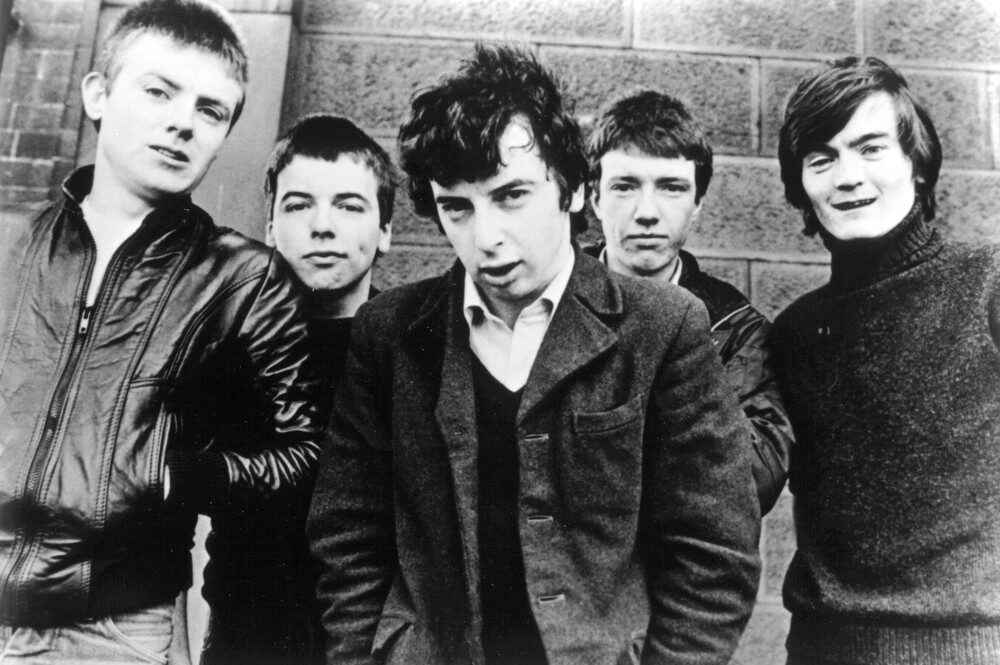
Peel’s public love for the track turned a regional debut into a national reference point. Cover versions and soundtrack cues followed across decades, but the original Sire / Good Vibrations energy is the one that still sounds like a teenager grabbing a microphone before second thoughts arrive.
Teenage Kicks remains useful because it refuses to grow “serious” for respectability. It keeps the crush, the riff, and the clock under three minutes. That is the whole argument, and it still holds on radios that have otherwise moved on.