
Island Records, The Harder They Come, rivers, and longevity
James Chambers was born in Somerton, Jamaica, in 1944, and renamed himself Jimmy Cliff when he chased Kingston’s recording rooms as a teenager. Early ska sides for local labels led him to Chris Blackwell’s Island Records. By the late 1960s he was already writing songs that traveled: clear tenor, gospel phrasing, rhythms that moved from ska’s upstroke toward rocksteady and reggae without losing the melody’s spine.
Wonderful World, Beautiful People (1969) and the single of the same name opened doors in Britain and beyond. “Vietnam” showed he could put politics inside a singable chorus. Then came the role that fixed his face to a soundtrack: Ivan in Perry Henzell’s 1972 film The Harder They Come. The movie followed a country boy into Kingston’s music business and street crime; Cliff’s songs carried the plot as hard as any dialogue.
The soundtrack still works as a reggae primer. “You Can Get It If You Really Want” strides. “The Harder They Come” argues. “Many Rivers to Cross” slows the room into a hymn about distance and fatigue. Those tracks introduced Jamaican music to listeners who had never set foot in Kingston, years before reggae became a global brand with other faces on the posters.
Cliff kept recording across decades: Unlimited (1973), Follow My Mind, and later albums that mixed roots, pop and soul. He toured relentlessly, a working singer rather than a museum piece. Awards arrived late and loud, including a Grammy for Rebirth (2012) with Tim Armstrong, proof that his voice still sat comfortably on modern rhythm sections.
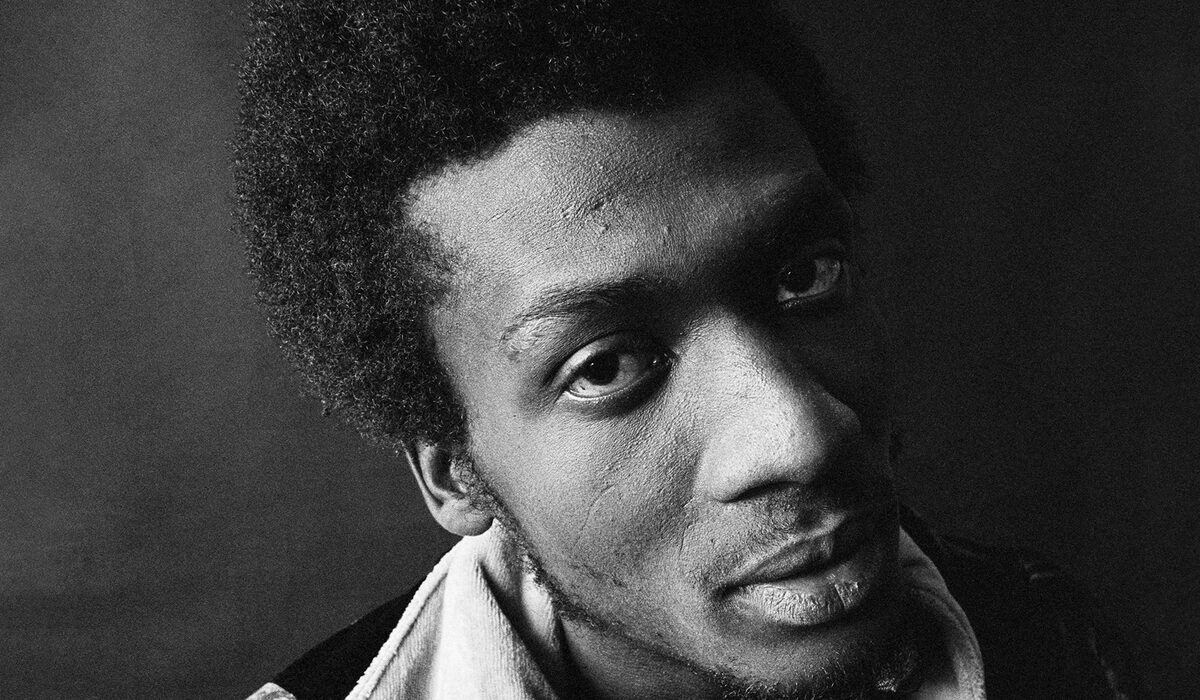
Unlike some peers, Cliff never belonged to only one fashion cycle. He could open a festival with ska bounce, then land a ballad that asked a stadium to listen. The Harder They Come remains the entry point, but the catalogue behind it is a long career of writing and showing up.
Cliff’s writing stayed plain on purpose. Many Rivers to Cross names fatigue without metaphor overload; You Can Get It If You Really Want turns ambition into a backbeat you can chant. That clarity helped the songs survive cover versions, film placements and decades of festival bills where newer reggae fashions came and went.
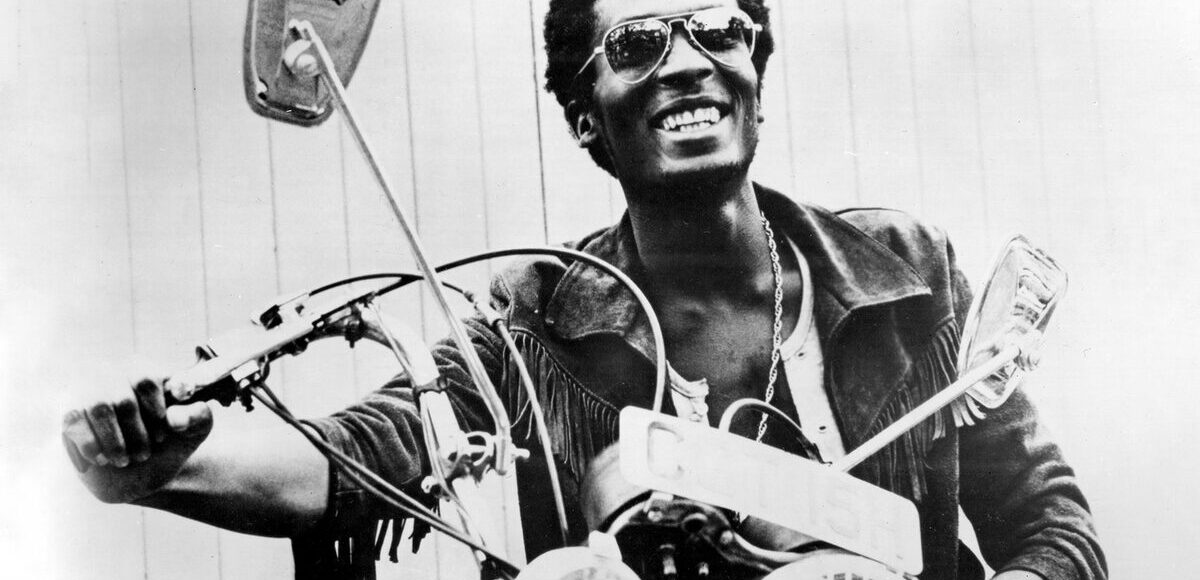
He also kept showing up as a Jamaican ambassador who refused to freeze in 1972. Later collaborations with punk and reggae players on Rebirth treated his catalogue as living repertoire. The motorcycle grin from the Harder They Come era still sells posters, but the working singer behind it kept booking the next stage.
In Kingston’s competitive studio culture, Cliff’s tone cut through without shouting. Producers liked him because the vocal sat forward and the song stayed simple enough for a horn section or a film edit. That utility is why the Harder They Come cues still work when a documentary needs Jamaica in thirty seconds.
What remains is a Jamaican voice that treated crossover as craft, not apology. Rivers get crossed one verse at a time. Cliff made that sound like a plan.