Oasis frontman, Britpop sneer, then As You Were as a solo restart
Liam Gallagher was born in September 1972 in Burnage, Manchester, the younger of two brothers who would spend much of their adult lives in public disagreement. He formed Oasis with Noel Gallagher and three other Manchester musicians in 1991, became the band’s frontman, and held the position for eighteen years. His role was specific: voice, presence, attitude. Noel wrote most of the songs. Liam delivered them in a manner that made the distinction seem irrelevant.
The Oasis run from Definitely Maybe (1994) to Don’t Believe the Truth (2005) produced some of the most-played British rock records of the decade. “Live Forever,” “Champagne Supernova,” “Wonderwall,” and “Don’t Look Back in Anger” became fixtures of British radio in a way that had not happened for a domestic rock band since the mid-1970s. The 1996 Knebworth shows — two nights, 125,000 people each — remain a reference point for British rock at stadium scale.
When Oasis split in August 2009 following a backstage confrontation in Paris, Liam formed Beady Eye with three remaining members and made two albums, Different Gear, Still Speeding (2011) and BE (2013), before dissolving that group as well. The material was decent and largely overlooked. His solo debut, As You Were (2017), reached number one in the UK and established that there was an audience for Liam Gallagher independent of Oasis songs and his brother’s songwriting.
Why Me? Why Not. (2019) and C’mon You Know (2022) continued the momentum. Knebworth 22, a live album documenting two sold-out shows at the same site as the 1996 Oasis concerts, framed the solo career explicitly in historical terms. A 2024 MTV Unplugged session reduced the proposition to acoustic arrangements and confirmed that the voice holds without production support. Gallagher has never adjusted his singing approach to accommodate any format change — the same nasal, fixed-midrange delivery appears across three decades.
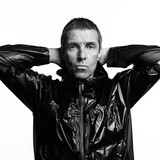
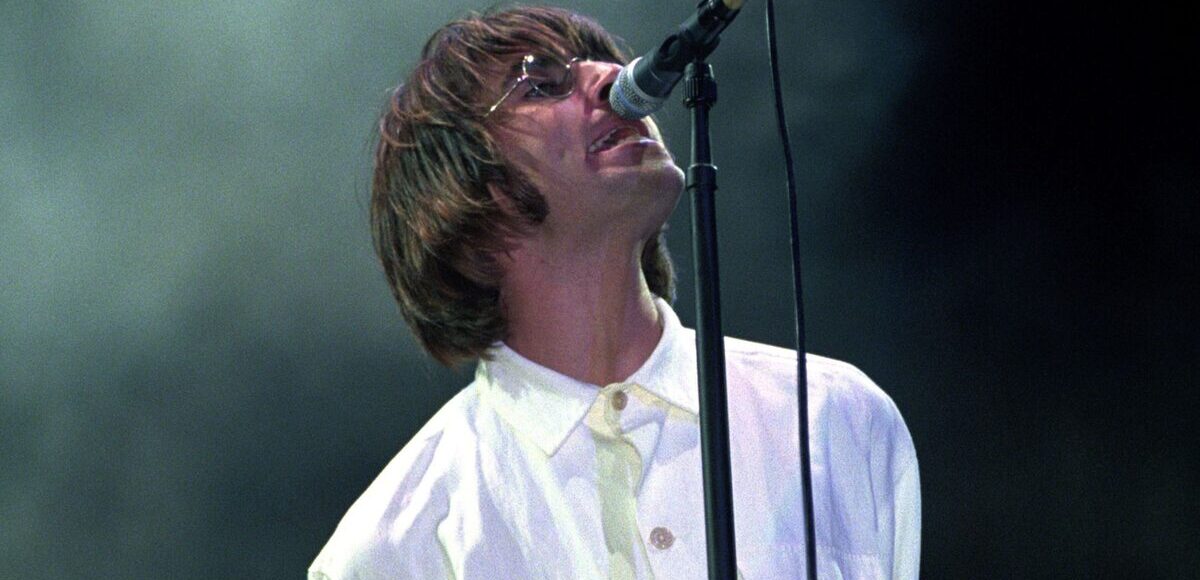
The vocal signature is the central fact. A nasal tenor with no vibrato, delivered at consistent midrange volume, chin tilted upward, hands behind the back. It is not technically versatile, but it is immediately recognizable and difficult to imitate convincingly. The delivery strips songs of irony: there is no gap between the singer and the material, which is either the point or the problem depending on the listener.
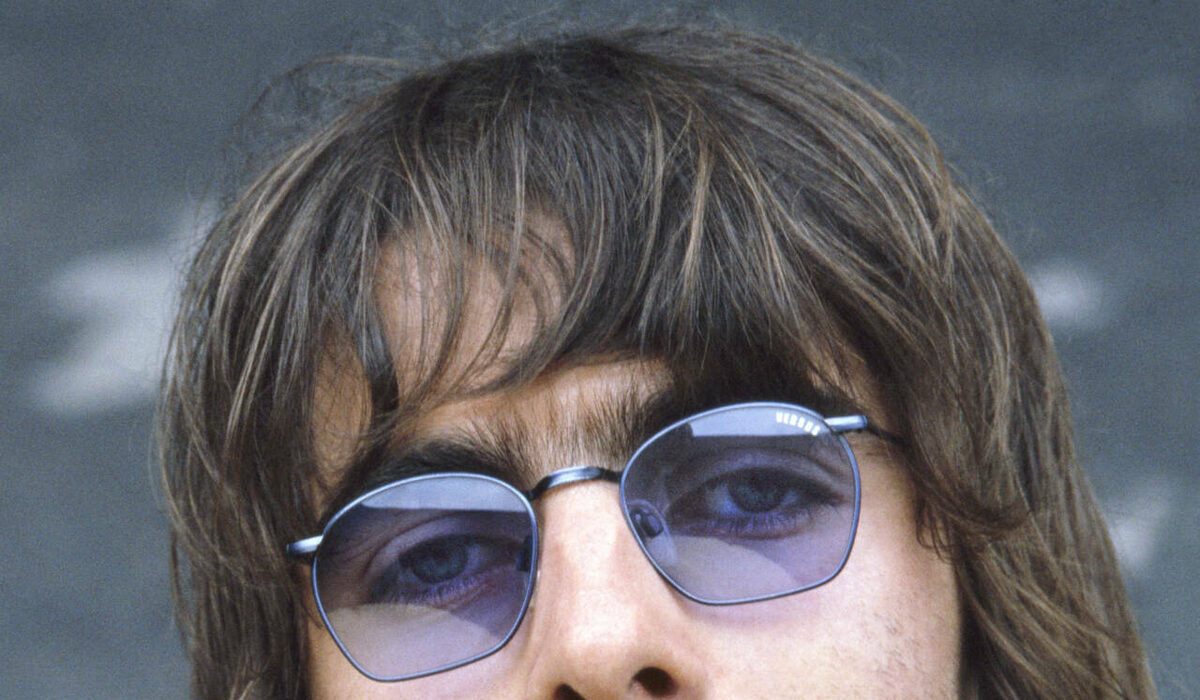
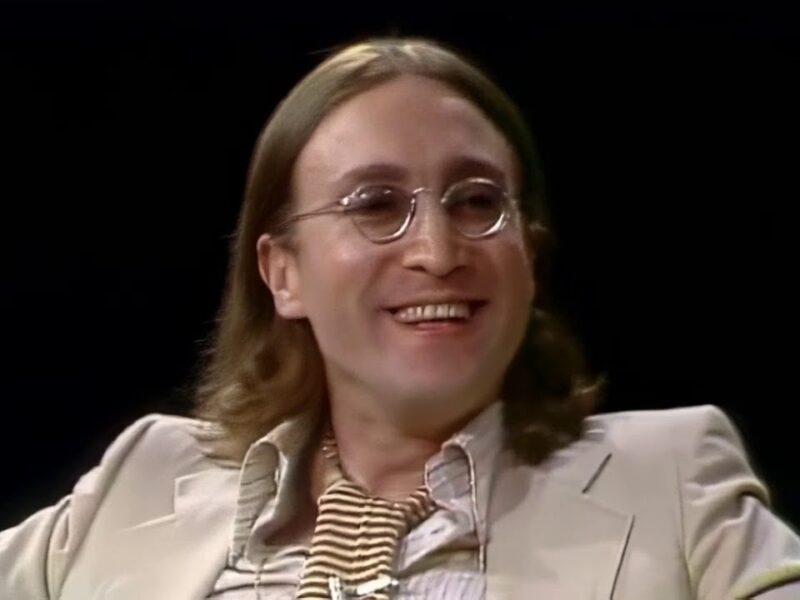
Influences are worn openly. John Lennon’s phrasing and vocal placement are the most obvious source. The Kinks, T. Rex, and the Sex Pistols appear in the attitude more than in the melody. The Beatles and The Stone Roses were formative listening. What Gallagher did not take from those references was harmonic complexity or psychedelic patience — the template he kept was simpler and harder.
Against Damon Albarn, the Britpop comparison most often raised, the difference is clear: Albarn moved toward experiment, theater, and distance, while Gallagher stayed committed to emotional directness and refused to update the sonic template. Against Jarvis Cocker, the wit and social observation are absent. Against Noel Gallagher’s solo records, the older brother’s output shows more musical range and stronger original writing, but less of whatever makes a frontman difficult to ignore in a large room.
Sonically: midrange guitar mix, melodic basslines, verse-chorus architecture without detours. The solo albums tend toward the glossy end of Britpop production — compressed drums, processed guitars, choruses designed for open air. Greg Kurstin, Andrew Wyatt, and Greg Wells have been regular collaborators. The production suits the voice rather than challenging it. These are records built for stadiums, and they function correctly in that environment.
Entry points are straightforward. As You Were for the solo case. Why Me? Why Not. for the better songs. For context, Definitely Maybe and (What’s the Story) Morning Glory? are essential Oasis records in which Gallagher’s voice is central. Knebworth 22 shows the current live proposition. The attitude has never been subtle and the songwriting has always served it. That combination has proven more durable than most critics expected when Oasis ended.