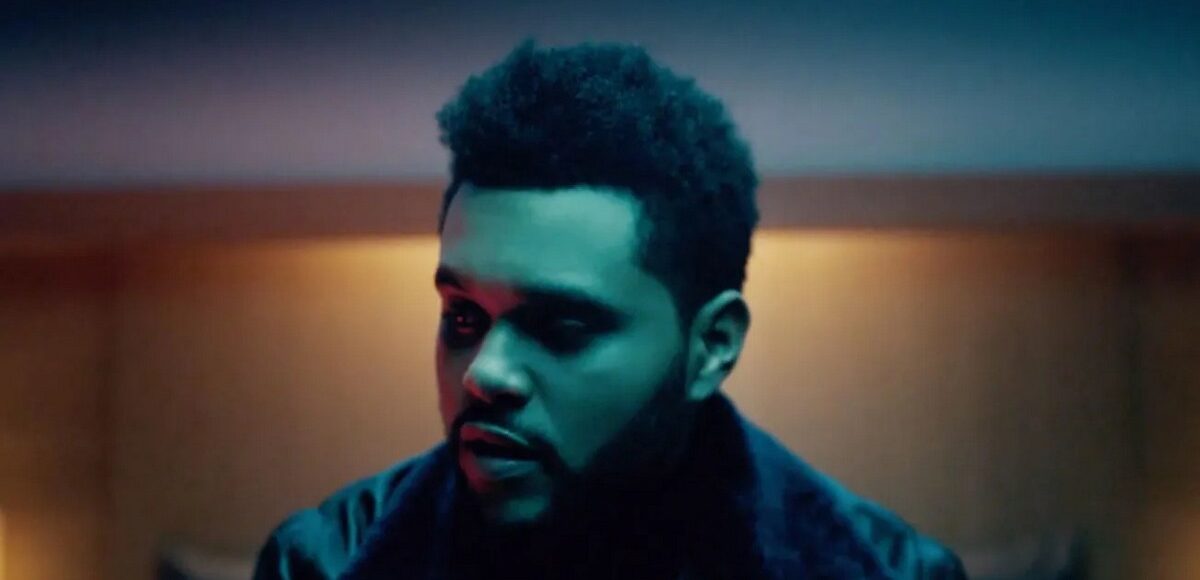
Toronto 2011 to Super Bowl scale: mixtapes, After Hours neon, and a voice built for late rooms
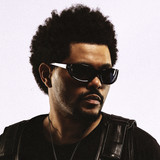
In late 2010 and early 2011, anonymous audio files began appearing on a Blogspot page with no name attached. House of Balloons, a mixtape in everything but format, arrived in March 2011 and moved through R&B, chopped samples, and slow-burning production built around a voice sitting unusually high and cold at the top of the mix. Abel Tesfaye, born in Toronto in 1990 to Ethiopian immigrant parents, had been making music in near-total obscurity before the upload. Drake noticed, tweeted the link, and the audience arrived.
Tesfaye released two more mixtapes that year, Thursday and Echoes of Silence, collectively reissued as the Trilogy in 2012. The reference points were right there in the production: Michael Jackson’s falsetto and the Dirty Diana palette, Prince’s dark sexual directness, Aaliyah’s exhaled delivery over minimalist production. But Tesfaye was not covering his influences; he was working a particular emotional zone that they had opened. Late-night dread, pleasure and its morning consequence, intimacy that turns cold. The production was handled by Illangelo and Doc McKinney, building tracks from sparse keyboards, submerged drums, and heavy reverb.
Kissland (2013) was the formal debut after Republic Records signed him to a major deal. It extended the mixtape mood into a longer format. Beauty Behind the Madness (2015) changed the commercial terms: Max Martin and Stephan Moccio contributed to “Can’t Feel My Face,” a Jacksonian pop track that reached number one in the US and introduced the Weeknd to radio audiences who had not tracked the Trilogy. “The Hills” balanced that visibility with a darker production that retained the original mood. The record sold eight million copies and confirmed that the two registers could coexist on the same album without either diluting the other.
Starboy (2016), with Daft Punk producing the title track and “I Feel It Coming,” moved into accessible funk-pop without abandoning the late-night texture. My Dear Melancholy (2018) pulled back to a six-track EP in the Trilogy emotional register, shorter and more austere than the preceding albums. After Hours (2020) built a synthetic-1980s concept around “Blinding Lights,” a synth-pop track that spent 57 weeks in the US top ten and eventually broke the Billboard Hot 100 all-time record for chart longevity. The Super Bowl halftime show in February 2021, staged inside a hall of mirrors in a red suit, reached an audience of a hundred million people.
Dawn FM (2022) was a concept album built around a fictional radio station broadcasting to purgatory, with Jim Carrey as the announcer and a production palette that leaned harder into 1980s synth-pop. It received the kind of critical attention that placed it among his most coherent full-length statements. Hurry Up Tomorrow (2025), announced as the conclusion of a trilogy that included After Hours and Dawn FM, extended that concept into a film of the same name. The scope of the project, from anonymous Blogspot files to three-album arc and Super Bowl production, is without direct precedent in R&B of his generation.
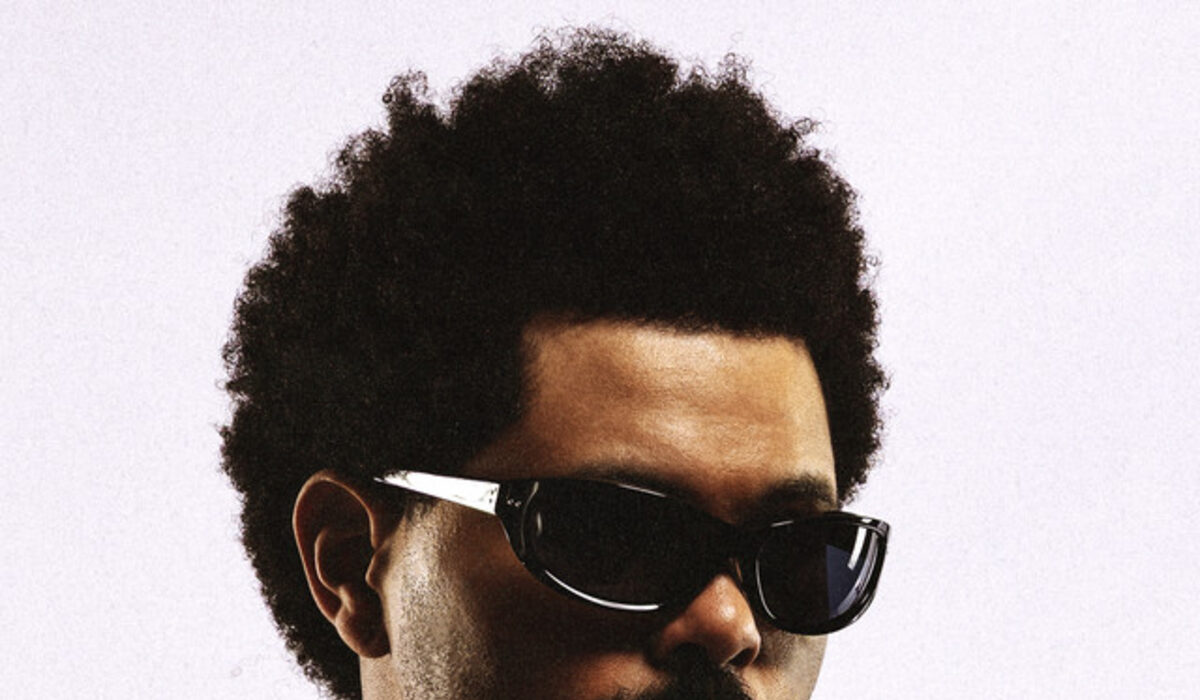
The voice is the instrument around which everything else is arranged. Tesfaye is a counter-tenor in the upper range of that classification, capable of the Michael Jackson octave leap without strain and the slow falsetto phrase that requires control more than power. He does not belt; he sustains, floats, and occasionally drops into the chest register for emphasis. Production teams have consistently given it room: the arrangements tend to stay out of the upper mid-range so the vocal sits clearly against the backing texture. The effect is one of isolation even when the production is large.
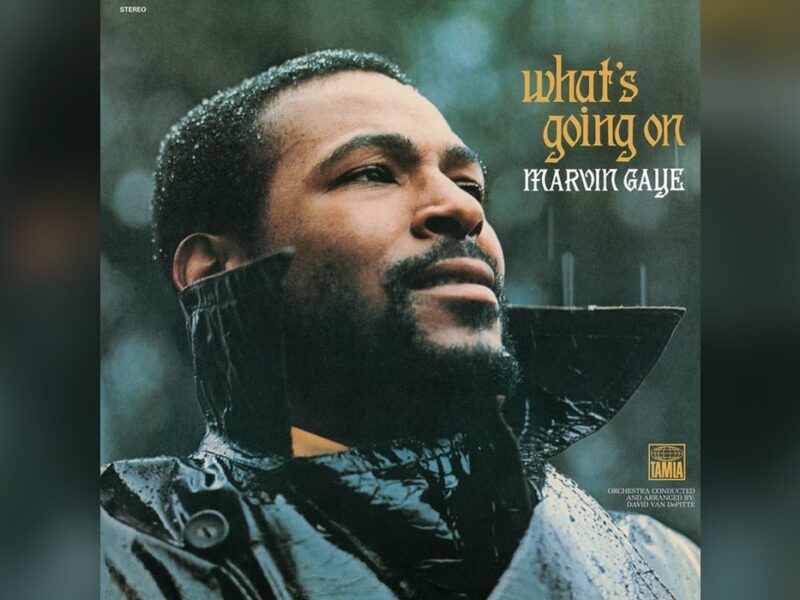
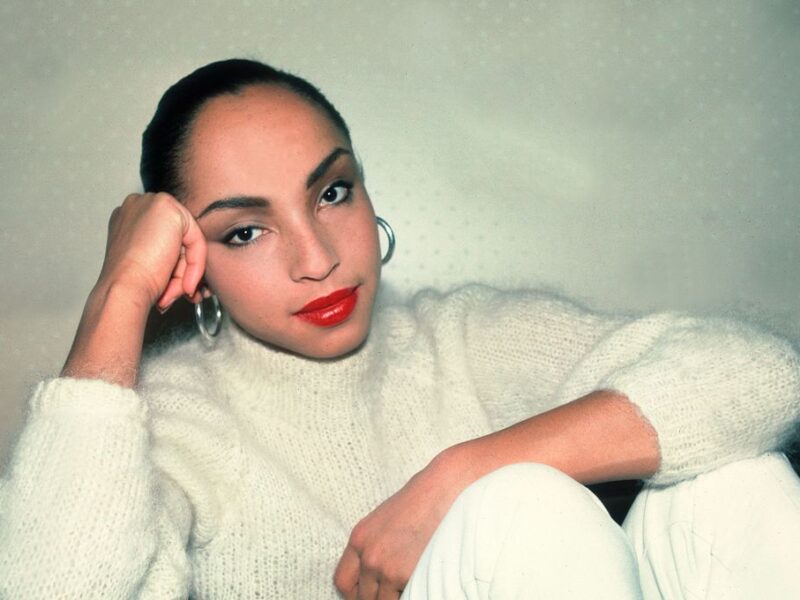
Influences are audible and the Weeknd has named most of them. Michael Jackson for the falsetto and the pop melodrama. Prince for the sexual directness and the willingness to work simultaneously in R&B, rock, and dance. Aaliyah and Timbaland’s early 2000s production for the minimal R&B space. Phil Collins and Peter Gabriel for the drum machine textures that run through After Hours. That last source surprises listeners who missed the 1980s revival strand in his production, but “In the Air Tonight” and “Blinding Lights” share more architecture than they initially appear to.
Entry points for new listeners: After Hours for the fully formed commercial statement, the production and vocal approach in their clearest form. House of Balloons for the original mood before the pop adjustments. Beauty Behind the Madness for the crossover moment and the dual-register approach. Compared to Drake, who occupies a similar Toronto origin and R&B-meets-rap lane, the Weeknd stays closer to the vocal performance tradition and further from rap as a primary mode. Compared to Bruno Mars, who works in a similar retro-pop zone, the Weeknd keeps a colder emotional temperature that suits midnight rather than Saturday night at the venue.
The catalogue from 2011 to the present has not become predictable. Each era has had a different production signature while keeping the same emotional register: desire, isolation, excess, and their consequences. That consistency of feeling across a changing sonic surface is what makes the Weeknd more than a chart phenomenon and more than a mood board for late-night playlists. He is working one particular room, very well, and has been from the beginning.