




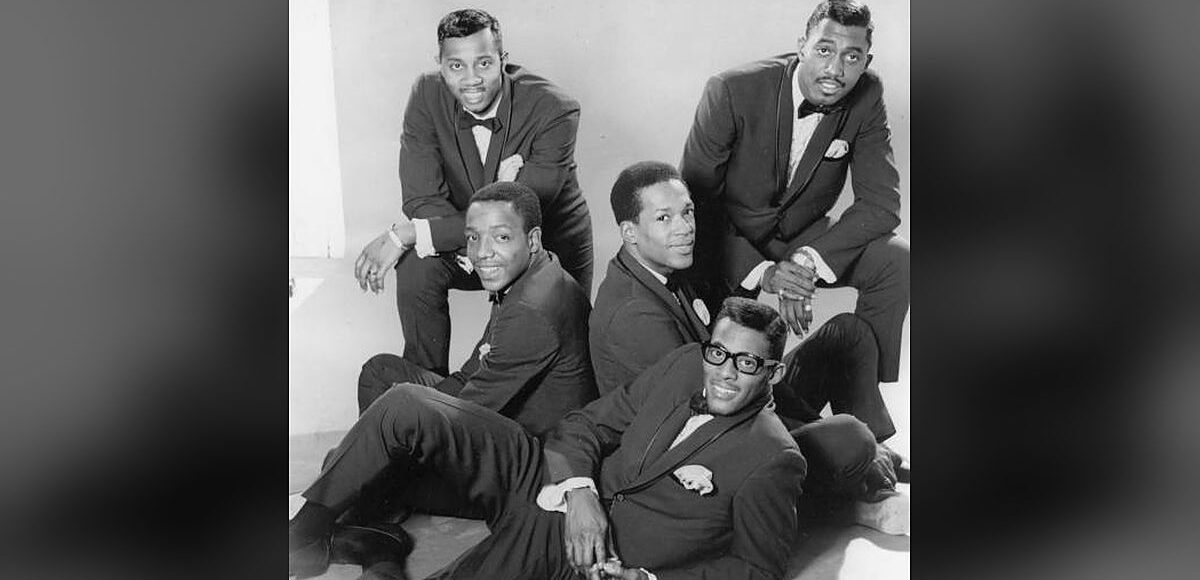
Five Motown singers, 1964 to Psychedelic Shack
The Temptations formed in Detroit in 1960 from the merger of two vocal groups: the Primes, which included Eddie Kendricks and Paul Williams, and the Distants, featuring Otis Williams and Melvin Franklin. A fifth slot cycled through several candidates before settling on David Ruffin in 1963. Berry Gordy signed them to the Miracle imprint before they moved to the flagship Motown label. The name came from a Miami group called the Elgins who had already registered the Primes name, which forced the change.
Early records went nowhere in particular until 1964, when Smokey Robinson wrote and produced ‘The Way You Do the Things You Do,’ and then ‘My Girl’ in 1965, with Ruffin’s baritone carrying the lead. ‘My Girl’ hit number one on the pop chart, an achievement that was still unusual for a Motown male act at the time. What Smokey had worked out was a practical split of the group’s voices, each one taking a part in the arrangement: Kendricks’s sweet falsetto on ‘Just My Imagination,’ Ruffin’s raw baritone on ‘Ain’t Too Proud to Beg,’ Williams and Franklin anchoring the lower harmonies. The leads rotated, and that was the group’s main advantage.
In 1966, producer Norman Whitfield began taking over Temptations sessions. The shift took a couple of years. Whitfield absorbed the energy coming from Sly Stone and James Brown and applied it to Motown material: ‘Cloud Nine’ in 1968 brought wah-wah guitar, extended arrangement, and drug-era subject matter, and won Motown its first Grammy. ‘Psychedelic Shack’ and ‘Ball of Confusion (That’s What the World Is Today)’ followed with dense social commentary and arrangements that bore little resemblance to what Robinson had built. The productions were louder, more complex, and addressed Vietnam, racial tension, and urban unrest with directness that Motown had previously avoided.
David Ruffin left in 1968 after a dispute over billing; Dennis Edwards replaced him and proved equally effective on the Whitfield material. Eddie Kendricks departed in 1971, replaced by Damon Harris. Paul Williams, battling serious health problems, left the same year and died in 1973. Otis Williams and Melvin Franklin, the two constants, kept the group running through personnel shifts that made the Temptations’ lineup hard to follow from year to year. The rotating leads, which had been the group’s strength, also meant one singer’s exit did not end it.
The Whitfield era produced ‘Papa Was a Rollin’ Stone’ in 1972, which runs over eleven minutes in its album form, longer than the vocal-group singles Motown usually released. The song’s bass line and slow funk rhythm sit heavier than the pop-soul records that came before it, and the long album version takes its time. The production won three Grammys and demonstrated that Motown could compete with the new sophistication coming out of Philadelphia soul and the developing funk movement.
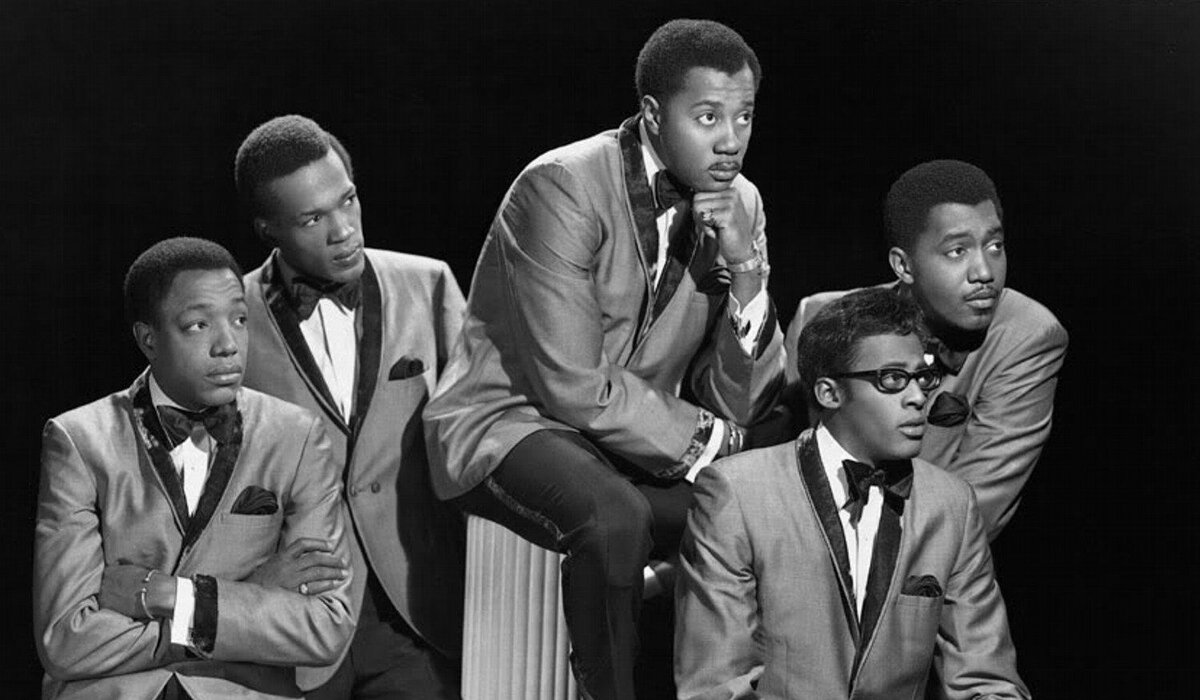
Against their Motown contemporaries, the Temptations occupied a distinct position. The Supremes had Diana Ross as a clearly designated lead voice; the Four Tops had Levi Stubbs dominating every track. The Temptations rotated leads according to song, which meant the group’s identity was collective rather than hierarchical. No single departure ended the group, which is why it lasted so long, and why later lineups often kept the name after the classic voices had left.
The 1980s brought revivals and reunion tours. A 1982 reunion with Ruffin and Kendricks produced ‘Standing on the Top’ with Rick James, which reached the R&B charts. The made-for-TV film in 1998 renewed wider interest in the classic material. Otis Williams, who outlived every other original member, has kept the group’s touring operation going into the 2020s, which leaves the Temptations among the longest-running acts in the Motown catalogue.
Start with the Anthology compilation for the full arc from ‘My Girl’ to ‘Papa Was a Rollin’ Stone.’ For the psychedelic soul period specifically, Psychedelic Shack and All Directions are the key albums. Alongside the Miracles and the Four Tops, the Temptations are one of the male vocal groups Motown kept on the charts for years. They followed Robinson, then Whitfield, and they kept the choreography while the producers changed.


Carmen | 10 October 2026
|
Short take: Soul / R&B still sounds like a band, not a brand. I am biased and fine with it.
Nina Bass | 10 October 2026
|
The lineup changes make more sense after reading this. Needed that.
Ray | 11 October 2026
|
Still one of the few bands where every era of Soul / R&B has a door in.
Greg | 12 October 2026
|
Gateway band for a lot of friends. Me too, not ashamed.
Nadia | 13 October 2026
|
Not perfect live every night, but when it clicks… yeah.
Dan | 14 October 2026
|
I bounce between early and late Soul / R&B depending on the week. Also the comments section on old forums was wild about this.
Rita | 15 October 2026
|
I bounce between early and late Soul / R&B depending on the week.