




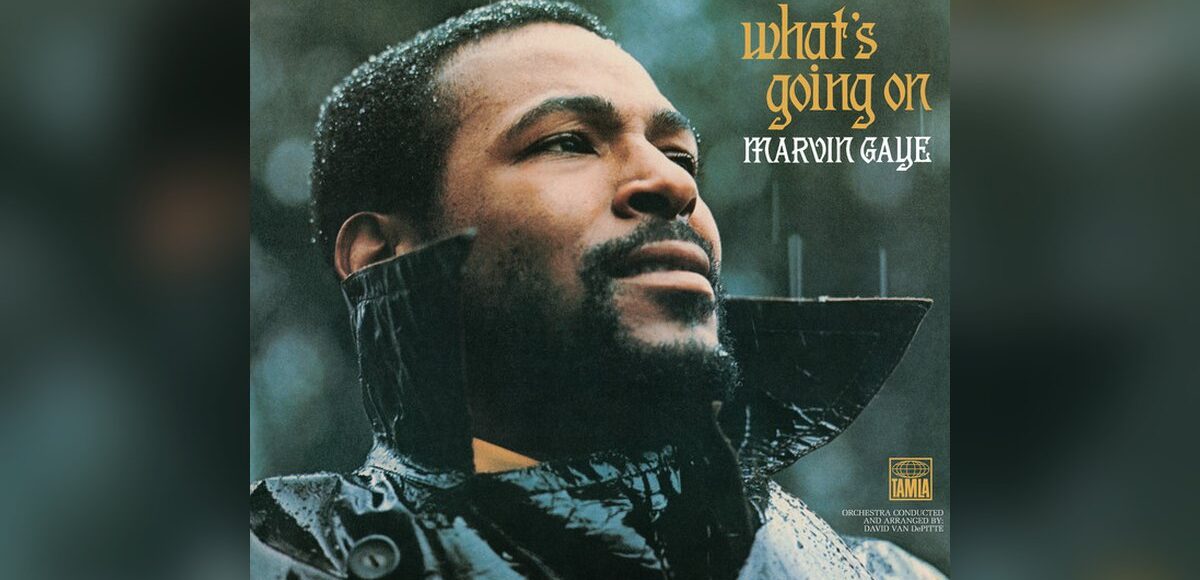
Hitsville, 1971: Gaye vs Motown on a protest album
In the spring of 1971, Marvin Gaye stopped asking Motown for another love song and asked a harder question out loud. What’s Going On, released that May on Tamla, opens with party chatter and Eli Fontaine’s accidental alto, then settles into a soft rhythm that carries Vietnam, police violence, and the polluted air in the same soft voice. Berry Gordy hated the single at first. The public did not.
The title song had been waiting since 1970. Renaldo “Obie” Benson of the Four Tops brought the idea after watching police break up a demonstration in Berkeley; Al Cleveland helped shape it; Gaye rewrote it around his brother Frankie, home from Vietnam and unable to find the country he had left. Berry Gordy heard the finished single and refused it. Too long, too strange, too political for the machine that had sold young America a smoother pop. Gaye answered that he would not record again until it came out. While Gordy was away, the single was released anyway. It rose. The scolding phone call came after the fact. By then the question was already in the street.
The album that followed is a suite, not a stack of singles. Songs crossfade as if one breath. What’s Happening Brother is the soldier’s letter. Flyin’ High (In the Friendly Sky) and Save the Children turn inward, then outward again. God Is Love keeps a gospel door open. Mercy Mercy Me (The Ecology) looks at the sky and the water as if they were also next of kin. Inner City Blues (Make Me Wanna Holler) closes on bills, taxes, and a trigger that will not stay in the news. David Van De Pitte arranged the strings so they hover rather than sweeten. The Funk Brothers play with the looseness of men who have been told, for once, to leave the mistakes that feel true. Eli Fontaine’s alto, caught in a warm-up, stayed in the intro because Gaye heard it and said to leave it there.
How could you release that? It’s the worst thing I’ve ever heard in my life!
(Berry Gordy to Barney Ales, recounted in Nelson George, Where Did Our Love Go, 1985)
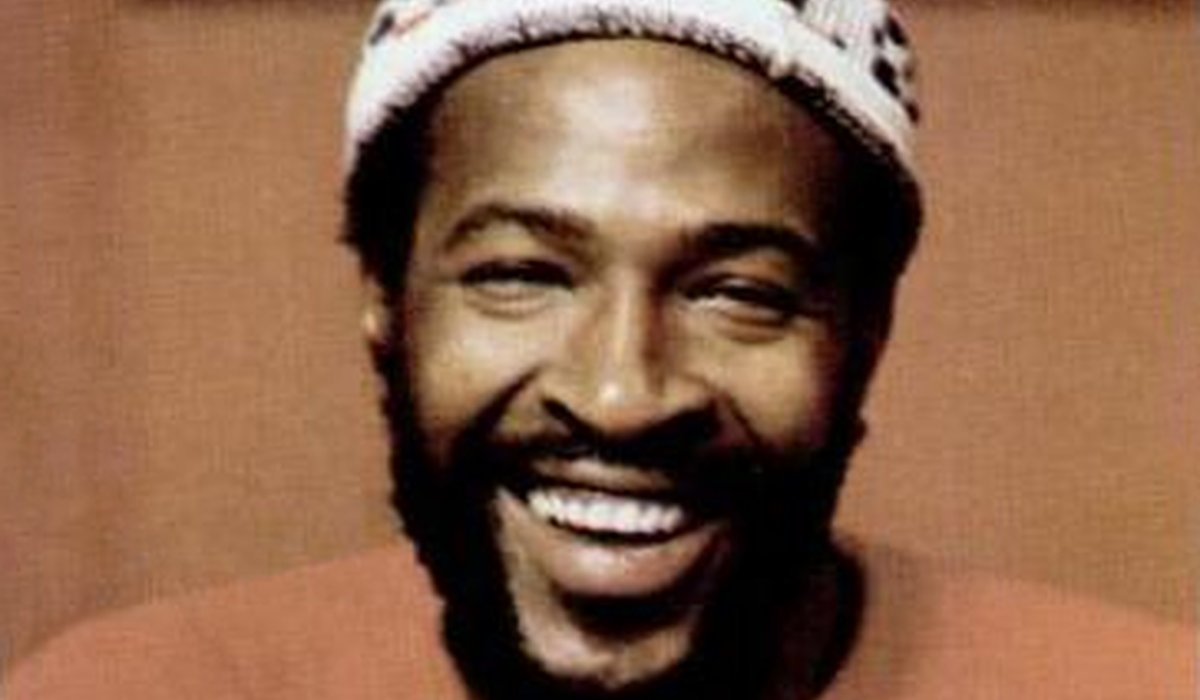
Motown had built an empire on answers, with the right key, the right length and a public smile. What’s Going On offered a question and then refused to solve it in three minutes. It reached the top of the R&B album chart and the pop top ten, which did not make Gordy wrong about the risk, only late about the public. Gaye produced it himself, multi-tracking his voice until it sounded like one man singing in a group. Later he would say he had tried to follow the record and kept finding he had already said it. He chose, more than once, to let it stand.
Play it from the top without skipping. The party noise at the opening is not decoration. It puts the songs in a room where people are still talking and still pouring drinks. The rhythm never shouts. That is the discipline. The anger sits in the arrangement. Ecology, war, and the rent arrive in the same soft voice, and that softness does not cancel them. Fifty years on, the question in the title has not been retired. The record keeps asking it, from the opening noise to the last bar.



Priya | 12 October 2026
|
Forgot how dark the middle of What’s Going On gets. Thanks for the reminder.
Sam W. | 13 October 2026
|
Gateway album for me. Everything after What’s Going On made more sense. Coffee got cold while I finished the article. Acceptable.
Ray | 13 October 2026
|
Put What’s Going On on while cooking. Burned the onions. Worth it.
Jacques | 14 October 2026
|
This is the Marvin Gaye album I lend to people. If they bounce, we talk later. I told my coworker and they shrugged. Their loss.
Carmen | 14 October 2026
|
I still play What’s Going On front to back. Skipping feels rude.
Nina Bass | 14 October 2026
|
I like the singles fine. The deep cuts on What’s Going On are why I stay. I am biased and fine with it.
Maya | 15 October 2026
|
Read this and finally understood why critics flipped for What’s Going On. Replay button abused.
Ben | 15 October 2026
|
I need headphones for What’s Going On. Laptop speakers miss half of it. I told my coworker and they shrugged. Their loss.