From Beatles bass lines to Wings, then a solo career that never clocked out
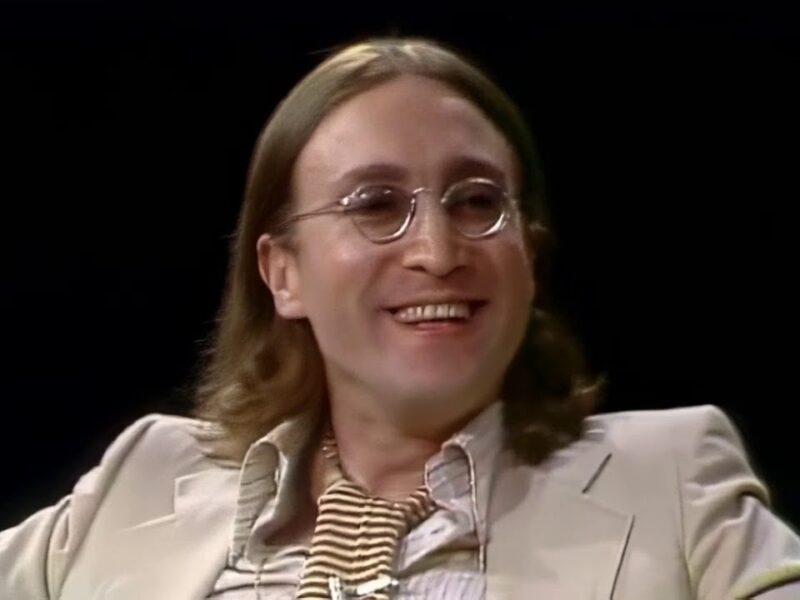
James Paul McCartney was born in Liverpool in 1942 and met John Lennon at a church fete in 1957. The Quarrymen became the Beatles, and McCartney brought a melodic instinct that could finish Lennon’s half-lines or start a song from a bass figure alone. At EMI’s Abbey Road with George Martin, he played Hofner bass as if it were a lead voice, sang harmony and lead, and co-wrote a catalogue that still defines what a pop song can do.
When the Beatles stopped touring in 1966, the studio became the main instrument. McCartney’s contributions ranged from “Yesterday”‘s string quartet to the side-two medley on Abbey Road. After the breakup in 1970, he did not wait for permission. McCartney (1970) was a homemade reset: “Maybe I’m Amazed,” domestic tapes, Linda McCartney on keys and backing vocals. Critics called it slight; listeners kept the melodies.
Ram (1971), credited to Paul and Linda McCartney, widened the palette toward music-hall colour and acoustic sketches. Wings formed around Paul, Linda, Denny Laine, and rotating guitarists and drummers. Wild Life and Red Rose Speedway were uneven, but Band on the Run (1973), recorded partly in Lagos under chaotic conditions, rebounded with title track, “Jet,” and “Helen Wheels” as proof the band could still land a chorus in a foreign room.
Wings at the Speed of Sound (1976) and London Town (1978) mixed hits with deep cuts. “Live and Let Die” brought orchestration to a Bond theme. “Mull of Kintyre” (1977), with a pipe band, became one of the UK’s best-selling singles ever. Lineups shifted; tours proved McCartney could fill arenas without the Beatles logo as the only draw. The work ethic was visible: write, record, move to the next band if the last one stalled.
The eighties brought smash singles and odd detours. Collaborations with Stevie Wonder (“Ebony and Ivory”) and Michael Jackson (“The Girl Is Mine,” “Say Say Say”) kept him on US radio while synth-pop and hair metal moved the charts elsewhere. Tug of War (1982) reunited him with George Martin. Pipes of Peace and Press to Play were patchier, but McCartney kept returning to short songs with clear hooks rather than chasing fashion.
Classical pieces, the Fireman electronic project with Youth, and the Beatles Anthology and Love era tied archive to new tape. Linda’s death in 1998 changed the personal frame; Flaming Pie, Driving Rain, Chaos and Creation in the Backyard, and Memory Almost Full treated craft as daily work, not nostalgia product. Knighthood and awards piled up; the studio habit mattered more.
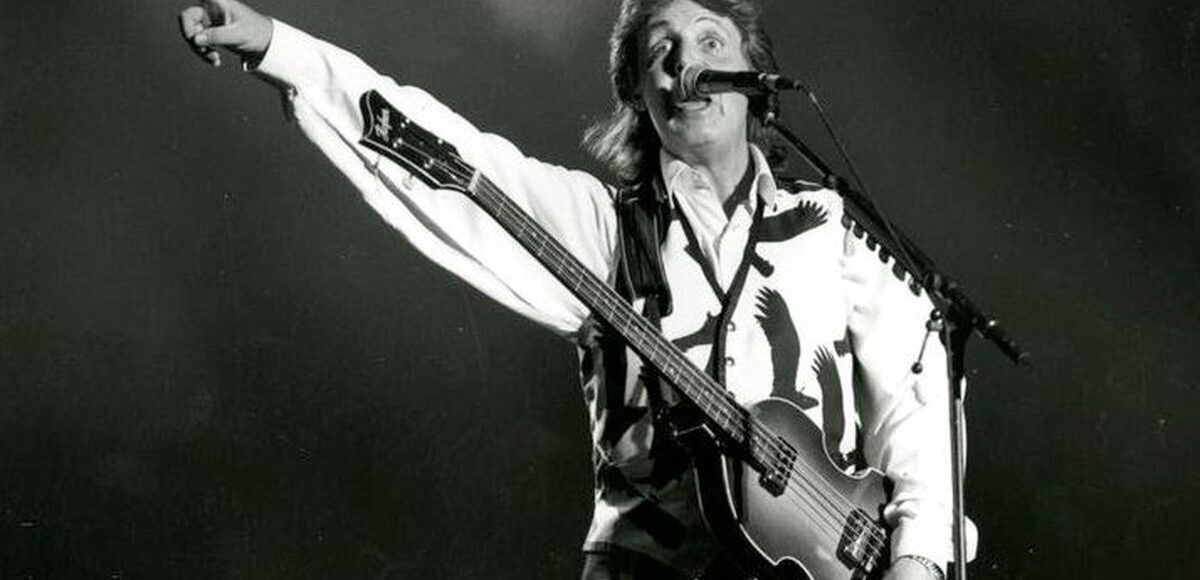
Live, he still opens with Hofner bass and closes with medleys that stitch decades into one setlist. Session musicians and producers framed different eras without erasing the handwriting: Martin early, Nigel Godrich and others later. Cover versions of McCartney tunes fill wedding playlists and indie B-sides. Documentaries restage the Beatles years; the post-1970 catalogue shows he did not stop when the Fab Four logo faded.
The sound across eras stays recognisable: bass lines that sing through changes, bridges that resolve, choruses built for communal shout. Influences show in the open: Buddy Holly’s brevity, the Everly Brothers’ harmony logic, Motown’s groove, and later anything that served the melody. He absorbed rather than quoted, which is why “Let It Be” and “Coming Up” feel like the same hand.
Entry points depend on temperament. The Beatles catalogue is the root. Band on the Run is the cleanest Wings statement. McCartney and Ram show the immediate post-split voice. For live energy, Wings Over America captures the seventies arena habit. Next to Lennon’s sharper edges or Harrison’s spiritual focus, McCartney’s lane is melodic reliability and output volume without apology.
What remains useful is the method: treat melody as a tool that never dated, treat the bass as a second vocal, and keep writing while the fashion cycle turns. Paul McCartney remains a working songwriter with a Hofner silhouette and a backlog that still fills rooms when the house lights drop.