From Charly to Firestarter: rave energy on rock stages
Liam Howlett was nineteen when he began stacking breakbeats in his bedroom in Braintree, Essex, in 1990. Early demos circulated on cassettes at raves, then XL Recordings signed him. The first single, “What Evil Lurks,” barely left the hardcore circuit. “Charly,” built around a children’s TV vocal sample and a compressed bass, was different: it reached the UK top ten in 1991 and became one of the first rave records to chart that high. The rave scene’s credibility hardliners were unimpressed; the crowd was not.
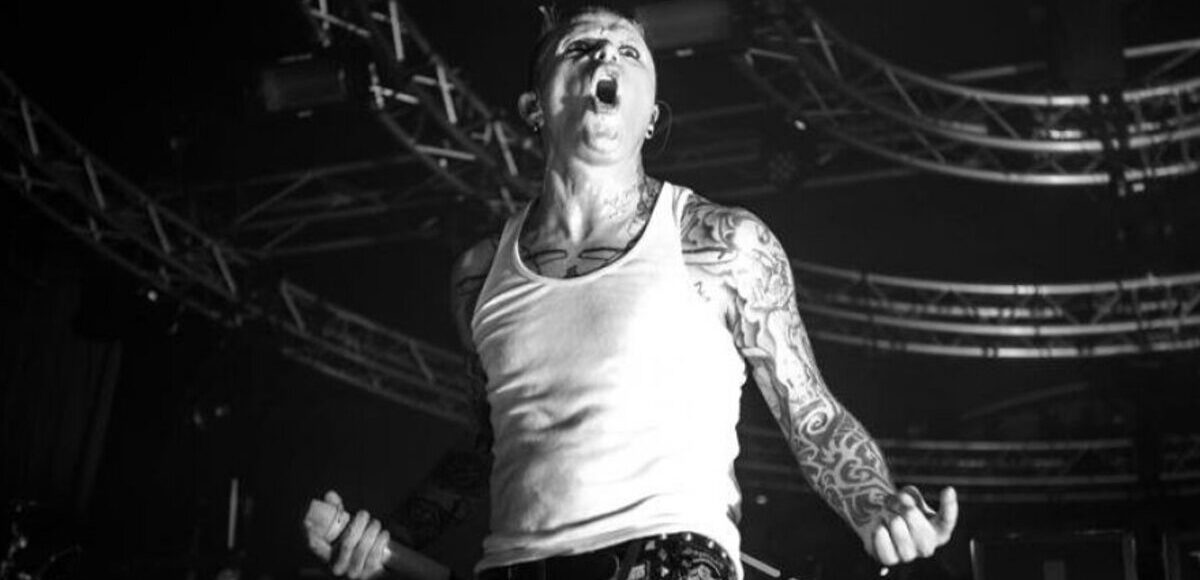
Experience (1992) documented the rave phase on record: thick beats, dense samples, 140 bpm from start to finish. Keith Flint joined initially as a dancer, then took on vocals. Maxim Reality came in as an MC. Leeroy Thornhill danced the live show into something the warehouse audience could see as well as hear. Howlett’s setup remained the technical core, but The Prodigy now had faces.
Music for the Jilted Generation (1994) drew a clear line. Howlett pushed the breakbeats toward rock weight, stripped the candy samples, and sharpened the aggression. “No Good (Start the Dance)” and “Voodoo People,” built around a Led Zeppelin guitar loop, crossed into alternative playlists. The album arrived as the Criminal Justice and Public Order Act was targeting free raves; it sounded like a response without writing a manifesto. It reached UK number one and earned the band’s first serious American audience.
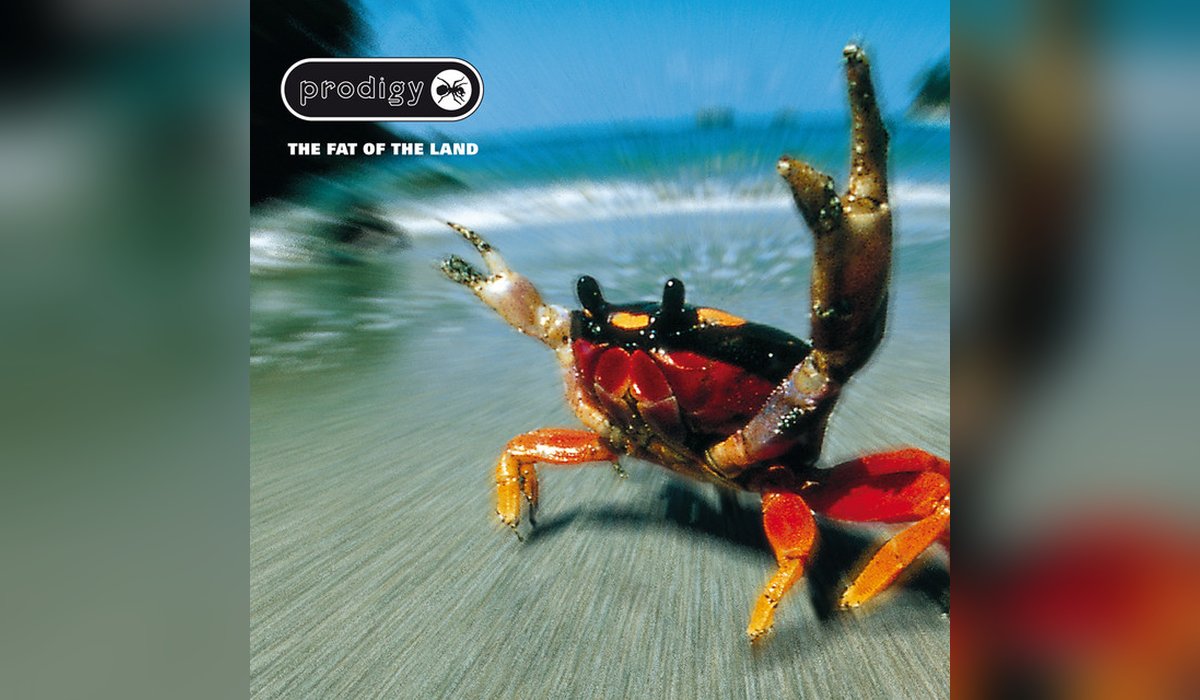
The Fat of the Land (1997) settled the argument about which world The Prodigy occupied. “Firestarter” arrived with a video of Flint in a railway tunnel, spiked hair and septum ring, and went to UK number one in February 1997. “Breathe” followed. “Smack My Bitch Up” earned a ban from most broadcasters and plenty of column inches. The album opened at number one in twenty-two countries and debuted at the top of the Billboard 200. Howlett’s Essex project was now headlining alongside Metallica and Rage Against the Machine on the same festival posters.
Always Outnumbered, Never Outgunned (2004) arrived after lineup changes, Thornhill had gone and the touring unit shifted, and worked more as a studio experiment than a live statement. Critics and some fans noticed. Invaders Must Die (2009) corrected that: Flint and Maxim back onstage, “Omen” as a new UK hit, the live show rebuilt to festival-headlining scale. The Day Is My Enemy (2015) and No Tourists (2018) confirmed the pattern: albums at their own pace, the touring machine constant.
Keith Flint died on March 4, 2019. Howlett announced the project would continue with Maxim. Tours followed. The practical question of what The Prodigy’s live attack looks and sounds like without Flint remains open. The catalogue does not require an answer to function: “Firestarter” and “Breathe” still open festival fields, and the back catalogue fills dancefloors on its own authority.
What fed Howlett was hardcore, techno, jungle, and industrial rock, folded together without full allegiance to any single scene. The Chemical Brothers, Underworld, and Leftfield were navigating the same electronic-into-rock crossover in those same years. The Prodigy’s specific version was louder and more confrontational: Flint and Maxim gave the music a physical, near-punk aggression that most electronic contemporaries chose not to attempt. That difference explains the Glastonbury headliner slot in 1997, and why the booking was renewed.
The clearest distinction is physical. Daft Punk and Orbital matched The Prodigy’s studio intelligence without any interest in the stage as a confrontation zone. The Chemical Brothers shared the festival billing but differed in presentation. The Prodigy’s particular gift was the insistence on live attack, volume, movement, and deliberate friction, in a genre that often defaulted to a solitary figure behind a desk.
Start with The Fat of the Land for the peak: the crossover that put Essex breakbeats on US arena bills. Add Music for the Jilted Generation for the transition out of pure rave into something with rock weight. The early XL singles show the warehouse moment before the MTV lights arrived. The live recordings from the Invaders Must Die period show why festival bookers kept calling.