Chicago, 1988 to Mellon Collie: layered guitars, arena scale
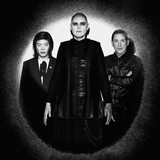
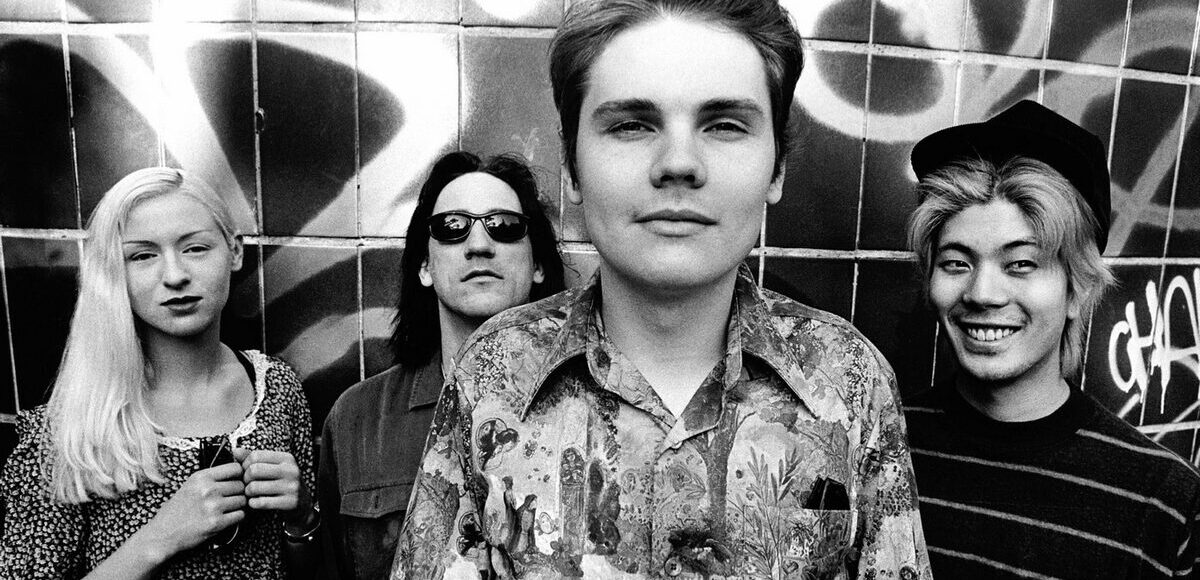
Billy Corgan formed the Smashing Pumpkins in Chicago in 1988 with James Iha. D’arcy Wretzky and drummer Jimmy Chamberlin joined soon after. Gish (1991) arrived with swirling guitars, psychedelic edges, and Chamberlin’s hard swing. Unlike Seattle’s rawer grunge template, the Pumpkins stacked melody on top of aggression. The mix sounded wide and carefully arranged, closer to a built storm than a garage accident.
Siamese Dream (1993), made with Butch Vig, raised density and drama without burying the songs. “Today,” “Cherub Rock,” and “Disarm” became radio fixtures and teenage reference points. Corgan’s stacked distorted guitars worked like arranged parts, almost orchestral in their stacking. The emotional pitch sat between wounded hope and fuzz. The band became a leading alternative act without wearing a single scene costume.

Mellon Collie and the Infinite Sadness (1995) confirmed the ambition: a double album spanning piano ballads, hard riffs, strings, and synths. “1979,” “Tonight, Tonight,” “Zero,” and “Bullet with Butterfly Wings” each opened a different door. The record chased adolescence, rage, beauty, and want with equal seriousness. It sold heavily and stuck in the culture beyond the chart weeks.
Later albums kept changing the toolkit. Adore went colder and more electronic, soaked in restraint. Machina/The Machines of God pushed industrial edges and denser lyric puzzles. Lineups shifted; Corgan’s writing direction stayed clear. Releases avoided a fixed pattern and kept widening the texture range instead of repeating Siamese’s formula.
Corgan’s voice, half-whisper and half-wail, could turn tender and angry in the same phrase. His lyrics mixed personal damage with big symbols. Chamberlin’s drumming supplied mobility and weight under the guitar layers. Soft songs still had presence; loud ones kept detail. Vision and execution stayed locked together enough for the records to feel intentional.
Videos such as “Tonight, Tonight” and “Ava Adore” treated clips as short films, not afterthoughts. Artwork, stage design, and clothes sold a full visual world. Fans bought the immersion as much as the singles. Live, beauty and distortion shared the same set with a ceremonial seriousness that matched the album scale.
Across decades the catalogue rewards listeners who want intensity plus craft. The 1990s run redirected alternative rock toward bigger arrangements without dropping guitar weight. From Gish to later reunions, the core stayed recognizable even as methods changed. That practical legacy, not mythology, is why new listeners still enter through those first three major albums.