Electric Lady, Forsey, MTV hard-pop
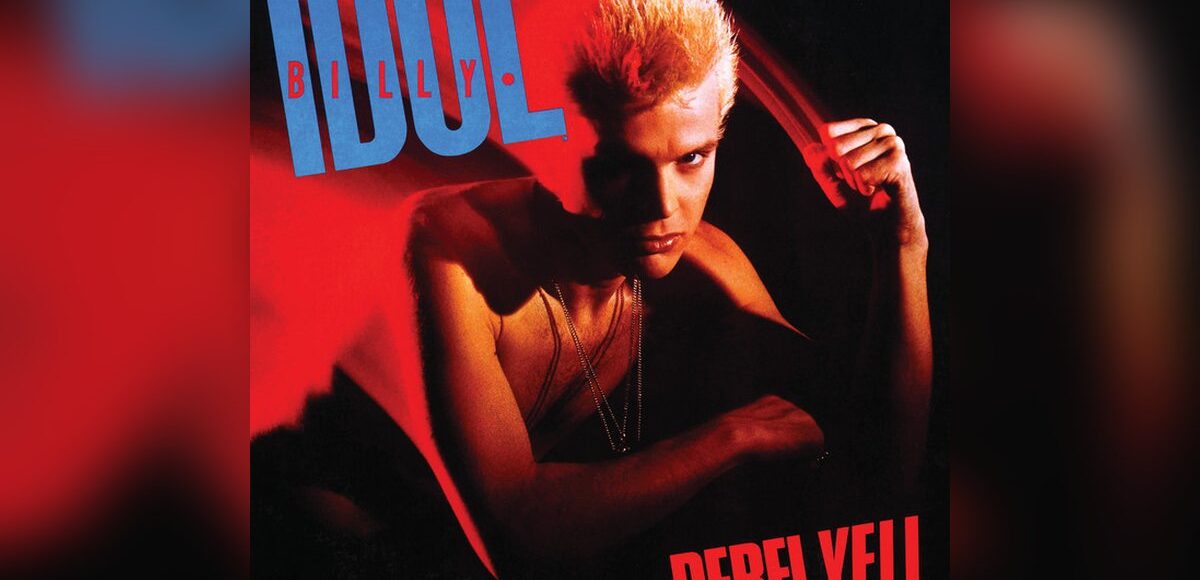
Rebel Yell arrived on 10 November 1983 in the US (January 1984 in the UK) as Billy Idol’s second solo album for Chrysalis. After the 1982 debut and the hit White Wedding, Idol kept producer Keith Forsey and guitarist Steve Stevens and set up mainly at Electric Lady in New York, with more work at RPM and Mediasound. The title came from Rebel Yell bourbon Idol encountered at a Rolling Stones party; he liked the phrase enough to hang an album on it. Brian Griffin shot the red-lit cover that MTV would burn into living rooms.
Early tracking leaned on a Linn drum machine before Forsey pulled Scandal drummer Thommy Price into the sessions. Keyboards from Judi Dozier and Jack Waldman filled gaps Stevens wanted to claim with guitar textures instead. Forsey insisted the title track be recut faster after a first pass felt sluggish; Stevens resisted, then admitted the tempo jump sold the hook. Eyes Without a Face balanced ballad chords with a cold chorus; Perri Lister’s backing vocal became part of the single’s identity. Flesh for Fantasy and Catch My Fall extended the campaign across 1984.
The sound is gated drums, compressed radio midrange, and Stevens’ guitar doubling as synth-like pads. Idol’s snarl sits up front without punk distortion drowning the chorus. Generation X grit is still audible in the attitude, but the arrangements are built for arenas and video rotations. That hybrid, punk silhouette plus dance-rock engineering, is why the record defined Idol for a mass audience more than the debut did.
Stevens pushed to keep synthesizer clutter down so guitar could occupy the pad space usually handed to keys. Casio and echo tricks still appear, but the flashy leads and chorus figures are his. Idol’s Generation X past shows in the sneer and the short song lengths; Forsey’s Moroder-schooled ear shows in the dancefloor kick and the clipped fills. The partnership is the album’s real instrument.
In the midnight hour she cried more, more, more.
(Billy Idol, Rebel Yell chorus, 1983)
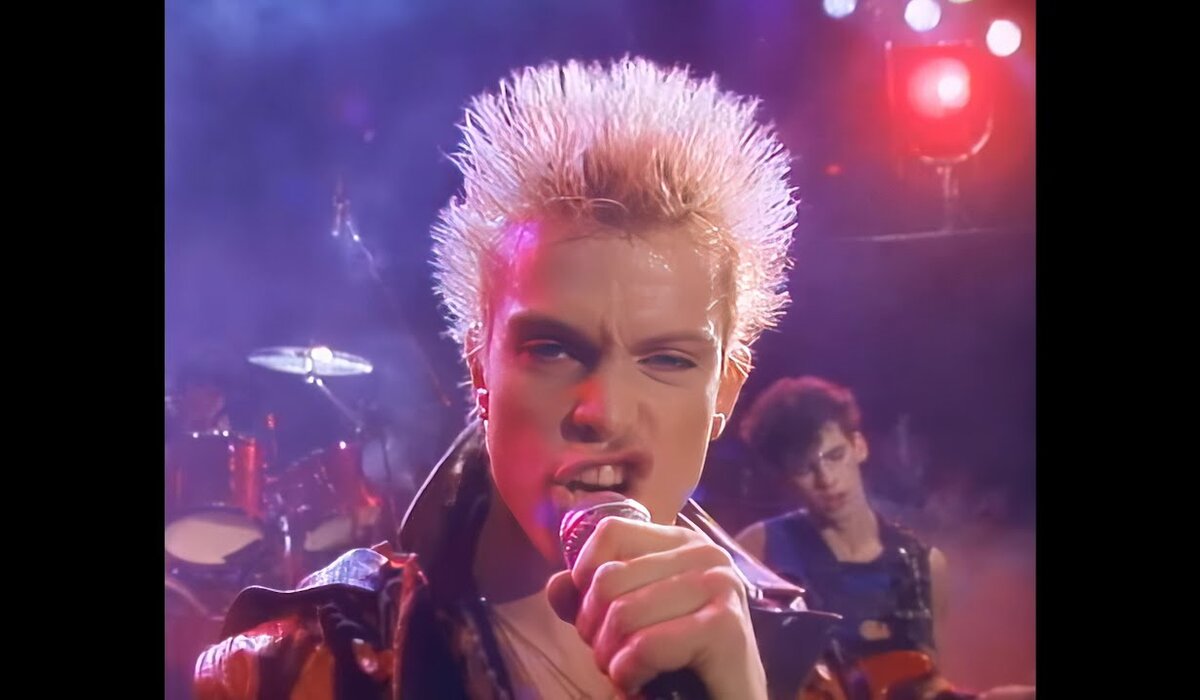
Commercially the album peaked at No. 6 on the Billboard 200, reached the top ten in Germany, Canada, and New Zealand, and went double platinum in the US. Eyes Without a Face hit No. 4 on the Hot 100; the title track’s video, all sneer and stage punches, did as much work as the chart number. Grammy nominations followed. Touring started in clubs on a bus, then scaled with the sales.
Rebel Yell remains Idol’s sales peak and the template later nostalgia circuits still book: four singles, one unforgettable chorus chant, and a guitarist visible enough to share the frame. Forsey’s gated kit and Stevens’ hooks turned a former punk frontman into a permanent 1980s hard-pop reference. The bourbon name was a party joke; the album turned it into a catalog cornerstone.