
After Supergrass, a bomb with a fuse
On 21 May 2012, after Supergrass split, Gaz Coombes released Here Come The Bombs on his own Hot Fruit Recordings with EMI for UK marketing. He started most tracks alone in a home/basement setup in Wheatley, Oxfordshire, then moved to Sam Williams’s Templesound studio in Oxford to write further, record, and mix. Williams had produced Supergrass’s debut I Should Coco; here he co-produced and played drums, bass, keys, and theremin on selected cuts while Coombes handled nearly everything else.
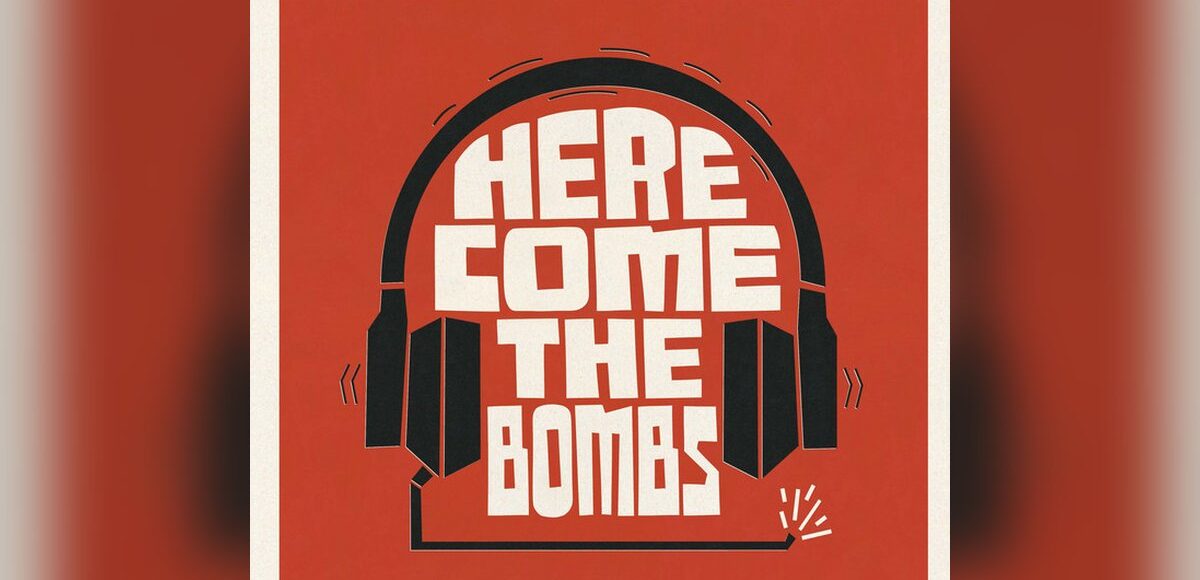
The sound leaves Britpop bounce behind for denser grooves, distorted guitars, and synth colour. Opener Bombs came partly from TV images of conflict; Coombes talked about aerial footage that looked unreal until you imagined the ground. Singles and standouts include Hot Fruit, Simulator, Break the Silence, and Whore. NME scored the album 8/10. The sleeve – headphones drawn as a bomb with a fuse – matches the title’s double meaning: songs as small sonic bombs, and a decade of background war noise.
Owning the masters on Hot Fruit mattered: Coombes controlled artwork and single choices instead of waiting on a major’s committee. Early UK shows at places like Bush Hall and festival slots introduced the solo voice without Supergrass nostalgia as the main hook.
You see aerial footage of bombs dropping and it doesn’t seem real. But down there, it’s fucking mental.
(Gaz Coombes on Bombs, NME / Guardian interview cycle, 2012)

Here Come The Bombs opened a solo run that later included Mercury-nominated Matador and World’s Strongest Man. The useful takeaway is a 2012 home-studio record that turned a Supergrass frontman into a self-releasing songwriter with Williams back in the room, and a graphic that still reads clearly in a thumbnail.