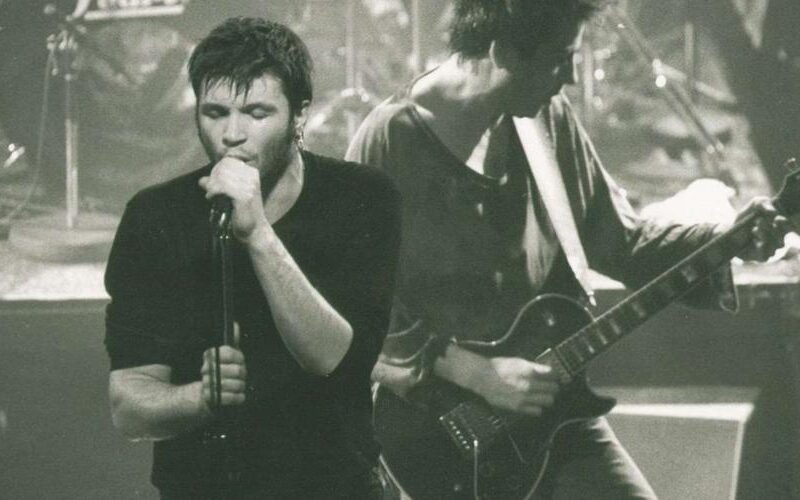


Wheatley home studio, 2015
In January 2015, Matador stepped out of a Wheatley home studio like a second act that refused to shrink. Gaz Coombes, once the high-wire voice of Supergrass, produced the record himself for Hot Fruit Recordings, chasing big arrangements instead of the usual solo retreat: choirs, strings, analogue synths, and songs that think in vinyl sides. Loz Colbert of Ride sat in on drums; brother Charly flashed across “Buffalo”. The rest is Coombes in a room of happy accidents, then Courtyard Studios when talking to himself got too loud.
“Buffalo” opens on electronic pulse and staccato piano before the vocal hits like a flare. “20/20” tilts cinematic. “Detroit” grew from a looping guitar session and, improbably, an iPhone snippet of an orchestra Coombes caught behind a broadcasting-house door, ten seconds looped into chords at home. “The Girl Who Fell to Earth” softens the air; “Needle’s Eye” turns the record over. The title track lasts barely ninety seconds and still feels like a cape thrown across the finish.
What makes Matador land is scale without swagger. Indie rock muscle meets art-pop space. Coombes keeps the Supergrass melodic gift and aims it at wider rooms. UK chart peak at eighteen, Mercury Prize nomination: the industry noticed, but the album’s private weather is in the home-studio grit under the gloss.
I was in a famous broadcasting house in London, and this orchestra was playing, so I opened the door, and just recorded half a minute of it on my iPhone. What they were playing was incredible. And then I got home and looped about ten seconds of it, which led to the chords of Detroit.
(Gaz Coombes, Vulture, 2016)

Released 26 January 2015 via Caroline International, Matador is a frontman treating solitude as arrangement: layered vocals, dry drums, melodies that refuse Oasis nostalgia. Supergrass is the CV. This record is the working method after the band: write at home, keep the hooks, drop the cartoon grin.