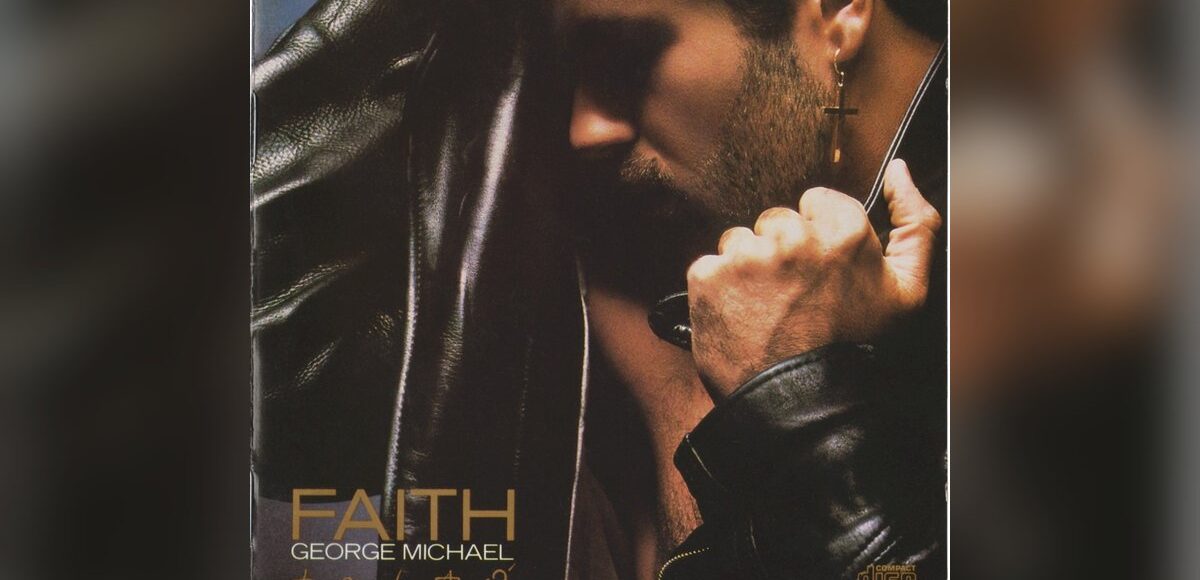
First solo after Wham!, leather and No. 1s
Faith landed on 30 October 1987 as George Michael’s first solo studio album after Wham!. He produced the record himself. Sessions ran from August 1986 into September 1987 at Puk Studios in Gjerlev, Denmark, and Sarm West in London. Epic handled the UK; Columbia issued it in the United States. The brief was clear: leave the duo’s pop sheen and prove he could write, arrange, and sell as a solo name.
The title track opens with an organ figure quoting Wham!’s Freedom, then snaps into dry Bo Diddley guitar and that famous leather-and-boots image. I Want Your Sex had already stirred radio bans months before the album. Inside the LP, Michael balances funk workouts, quiet storm ballads, and rock grit. Father Figure started life with a dance arrangement; he stripped the drums and kept the hush. One More Try leans toward Marvin Gaye and Stevie Wonder territory without copying either.
Commercially the album was a machine. It topped the UK Albums Chart and the Billboard 200, spent twelve weeks at No. 1 in the US, and later earned Diamond certification there. Four Hot 100 No. 1 singles came from one set: Faith, Father Figure, One More Try, and Monkey. Michael became the only British male solo artist to pull that off from a single album. The Faith Tour opened at Tokyo’s Budokan in February 1988 and ran through Australia, Europe, and North America.
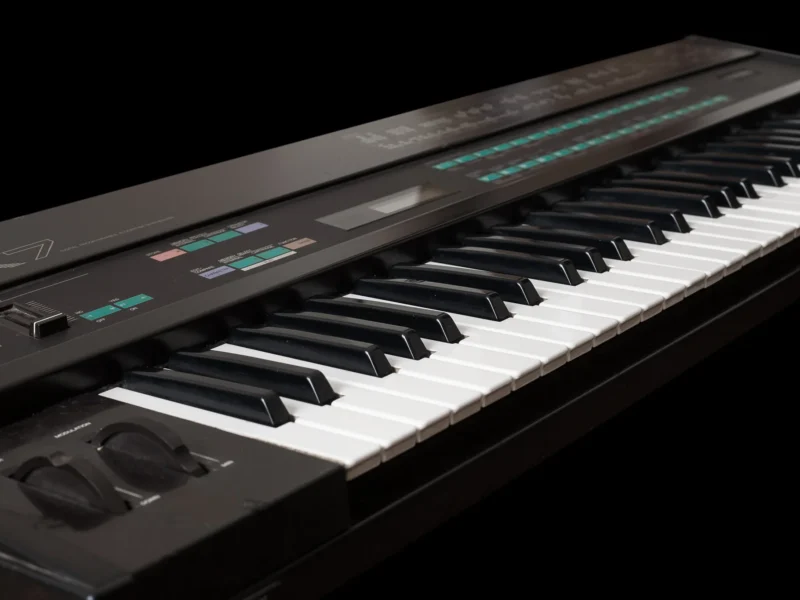
Session players and programmers orbit Michael’s control room rather than rewriting the songs. Hugh Burns’s guitar parts, keyboard layers, and LinnDrum programming sit where Michael places them. The CD configuration stretches past the vinyl runtime, giving I Want Your Sex room to move through its Lust and Brass in Love sections without radio edits cutting the argument short.
One of pop music’s leading artisans, a painstaking craftsman who combines a graceful knack for vocal hooks with an uncanny ability to ransack the past for musical ideas and still sound fresh.
(Rolling Stone Album Guide)
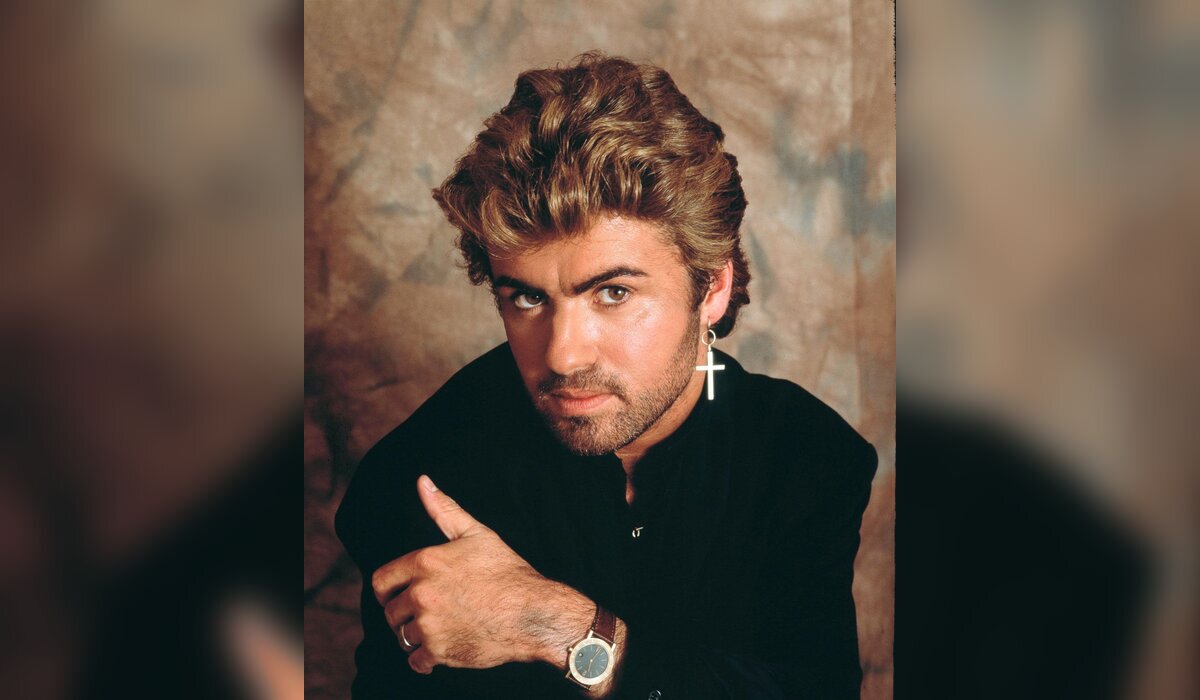
Critics heard a writer claiming R&B radio as well as Top 40. Faith also reached No. 1 on Billboard’s Top Black Albums chart, a rare feat for a white British solo act at the time. The jacket, stubble, and guitar became shorthand for late-80s pop masculinity even as the songs dealt with doubt, lust, and emotional caution. Grammy voters named it Album of the Year for 1988.
What followed was the quieter, more defensive Listen Without Prejudice Vol. 1. That contrast makes Faith sharper in hindsight: it is the moment Michael controlled the mix, the image, and the charts at once. Covers, samples, and karaoke nights kept the singles alive; the full album still plays as a sequenced argument, not a singles dump.
Faith remains the blueprint of his solo peak. Studio craft, radio ambition, and a hard-won adult voice sit in the same grooves. Press play on the organ intro and the rest of the decade’s pop math still has to catch up.
Retailers stacked the jacket next to Bon Jovi and Whitney that Christmas season; Michael outsold both narratives by owning rock, R&B, and pop shelves at once.