




London Records, May 1984: leaving home on daytime radio
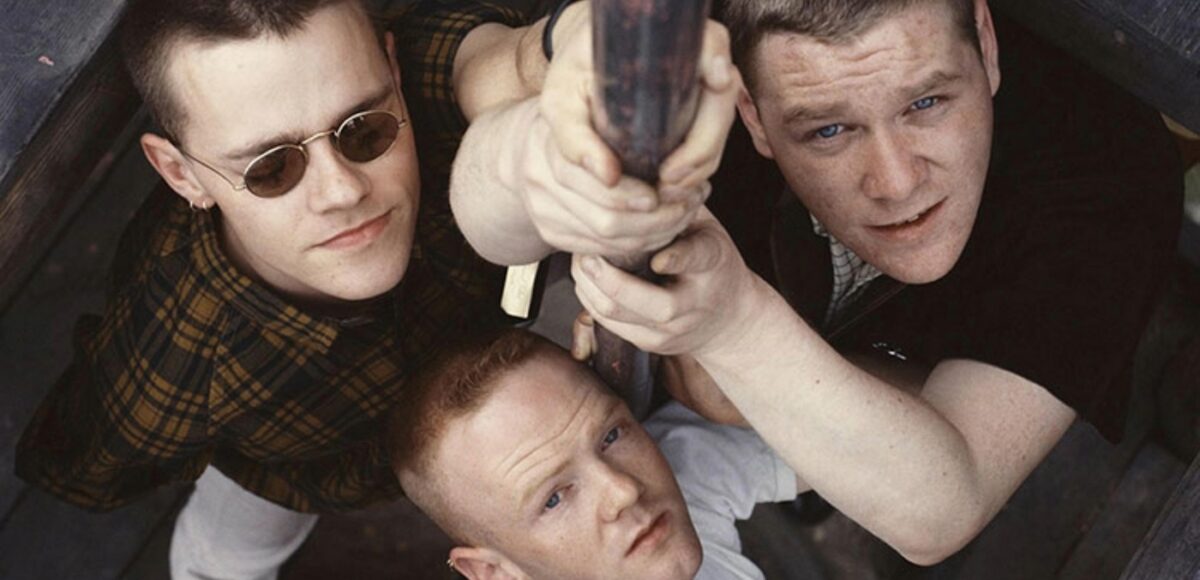
On 25 May 1984, London Records issued Smalltown Boy as Bronski Beat’s debut single. Jimmy Somerville, Steve Bronski and Larry Steinbachek wrote it while living in Brixton as an openly gay trio, when that still carried commercial risk on British daytime radio. Mike Thorne produced, after work that included Soft Cell’s Tainted Love. The track was recorded at The Garden in London (John Foxx’s studio) and mixed at Maison Rouge. Harvey Goldberg mixed; Pete Griffiths engineered. In October the song opened the album The Age of Consent. Writers share credit as Somerville, Bronski and Steinbachek. The UK single version runs about four minutes; the album cut stretches past five.
A clear synth figure starts the song, then Somerville’s high voice carries the story. Programmed drums, Yamaha DX7 and Memorymoog colours, and Roland sequencing keep a club tempo while the lyric stays specific: a young man pushed out of a small town by family rejection and street violence, bags packed for a city that might take him in. Congas by John Folarin sit in the arrangement without turning it into a jam. The video, directed by Bernard Rose, follows the same arc: assault, parental rejection, the train out. Nothing in the lyric hides behind coded pronouns. Radio 1 support and a Top of the Pops appearance helped the single climb after the Frankie Goes To Hollywood Relax ban had already shown how tense daytime queer pop could be.
Charts matched the radio reach. The single hit number 3 in the UK in June 1984, number 1 in the Netherlands and Belgium, and number 1 on the US Dance Club chart, while peaking at 48 on the Billboard Hot 100. Top-ten runs followed across Europe, Australia and Canada. On the album sleeve the band listed ages of consent for homosexual and heterosexual sex by country, turning packaging into a quiet political chart. The London Gay Switchboard number was also tied to the release’s activist framing. B-sides on the period singles included Memories and, on the 12-inch, Infatuation.
As a first single, Smalltown Boy fixed Bronski Beat’s public shape: synth-pop pulse, Somerville’s voice in the clear, and a queer leaving-home story that daytime radio actually played. Later dance remixes and Pride playlists kept the London Records mix in circulation. The original still plays as a report set to a club tempo. The sadness sits on a beat people danced to, before they had taken in every line.
We listed inside the sleeve the ages for homosexual and heterosexual intercourse in every country around the world and when you saw it written down the discrimination was astonishing.
(Jimmy Somerville, The Guardian, 1984)
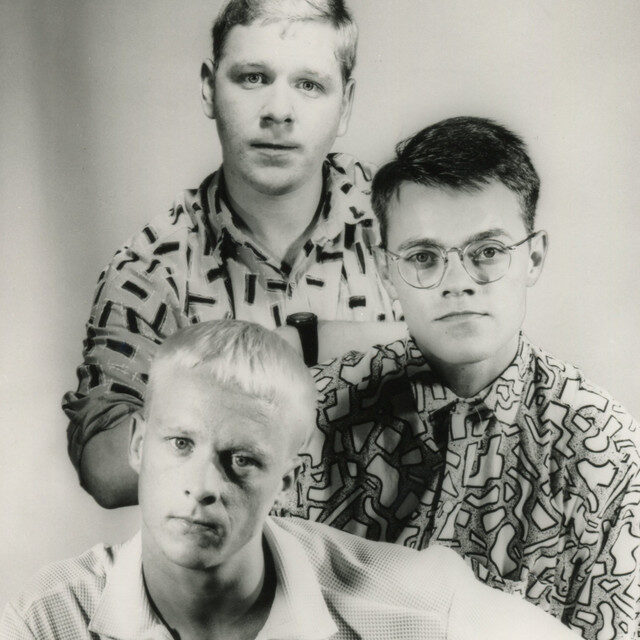
What you can still point to is plain: a mid-80s chart record that put that narrative on daytime radio and club floors, and a template later acts still cite when pop chooses plain speech over code. Somerville’s voice is the first thing in the mix. Once the drums start, the lyric hides very little.


Léa | 12 October 2026
|
Heard Smalltown Boy a thousand times. This reminded me why it stuck. Also the comments section on old forums was wild about this.
Lina | 13 October 2026
|
I came for Bronski Beat, stayed for how clean this write-up is. Smalltown Boy hits different after reading. I told my coworker and they shrugged. Their loss. Ok bye.
Hélène | 13 October 2026
|
people sleep on how weird Smalltown Boy actually is. This article gets it. Might be recency bias but I do not care today.
Aria | 14 October 2026
|
My dad played Bronski Beat in the car. Smalltown Boy is basically my childhood commute. Coffee got cold while I finished the article. Acceptable.
Alex | 15 October 2026
|
Still puts Smalltown Boy on whenever I need a reset. Never gets old. Sharing this in the group chat. Expect chaos. Ok bye.
Bruno | 16 October 2026
|
Simple song, big feeling. Smalltown Boy still does that. Good piece.