
From The Sugarcubes to Debut, Homogenic and Biophilia
Björk recorded in a Reykjavík studio at eleven. The voice already cut sharp and refused to sit still. Her first self-titled album mixed disco and folk with teenage curiosity. The real launch pad was The Sugarcubes. London and the UK indie press noticed the band fast; Björk stood at the center. On “Birthday” she flipped mid-phrase from a laugh to something close to prayer. Even then she wrote around trends instead of chasing them.
Solo work started in the early 1990s. Debut (1993), made with producer Nellee Hooper, put house beats, jazz colors, and ambient pads under blunt lyrics. “Human Behaviour” hit with a hard, almost tribal pulse. “Venus as a Boy” stayed soft and close to the mic. She hired players who sharpened the idea rather than sanding it down. From day one the brief was voice, machines, and intimacy in the same frame.
Post (1995) pushed contrast. “Army of Me” rode industrial drums and a low synth grind. “Hyperballad” opened as a quiet digital confession about leaping from a rooftop in the mind, then landing back in daily routine. Homogenic (1997) is still the album many call her peak. Strings and electronics weld on “Jóga” and “Bachelorette.” The beats nod to Icelandic weather and rock without turning the record into a postcard. Every arrangement felt built to last on headphones and on stage.
She treats sound as something physical: it moves air, wraps the room, brushes the ear. Vespertine (2001) went microscopic. Harps, soft glitches, and muted melodies framed “Pagan Poetry” and “Hidden Place” as if sung into one listener’s ear. The album sold the idea that electronic music could be domestic and detailed, not only club-sized.
Medúlla (2004) built almost the entire record from layered voices, testing how far the body can go as an instrument. Volta brought brass, beats, and brighter color back into the set. Biophilia then tied songs to apps, science demos, and gallery installations. Tracks became multimedia objects without losing the emotional core. The tools changed; the need to make feeling audible did not.
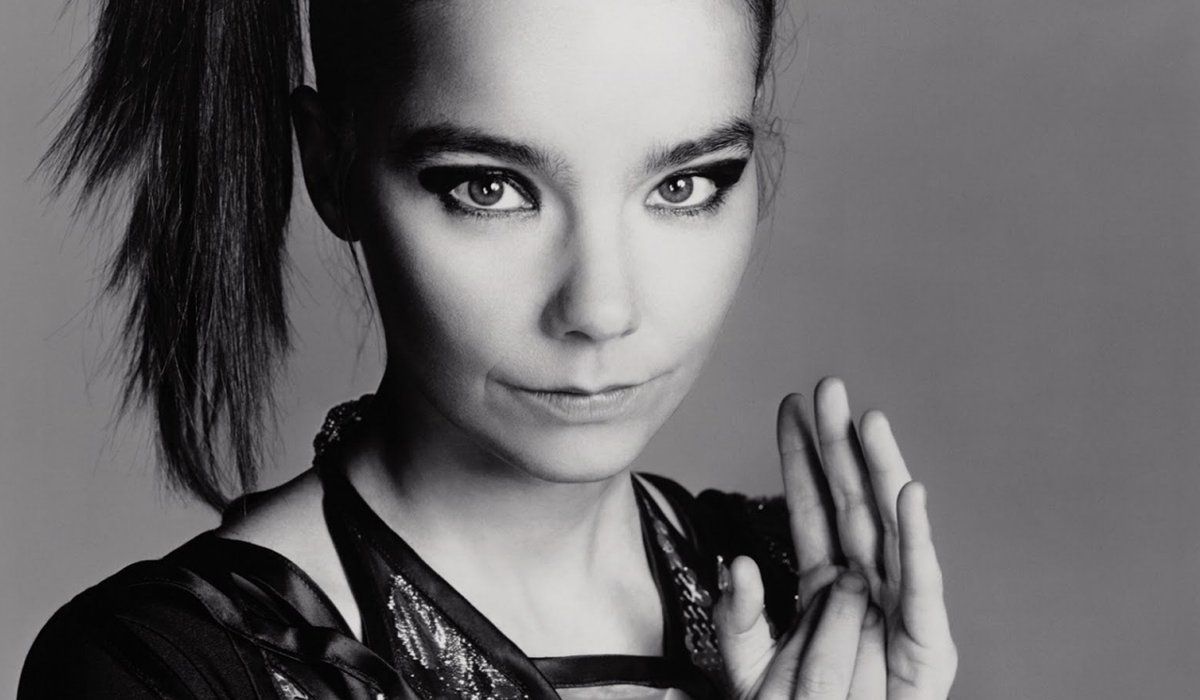
Vulnicura (2015) documented a breakup in long form. “Black Lake” and “Stonemilker” stretch slowly; arrangements stay sparse so grief and clarity can share the same take. Utopia followed with flutes and birdsong, a deliberate rebuild rather than a sequel to the divorce album. Each project opened a different window into the same working method: change the toolkit, keep the nerve.
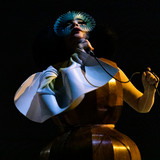
Visual work is not decoration. Videos with Michel Gondry and Chris Cunningham, later Andrew Thomas Huang, treat image as part of the composition. Costumes, stage design, and red-carpet looks extend the same brief. Live shows often feel closer to installation than to a greatest-hits revue. She designs worlds around songs instead of pasting pictures on top of them.
Collaborators keep shifting: Nellee Hooper and Matmos early on, later Arca and Rosalía. She pulls from technology, folklore, and biology, then edits with craft. The catalogue is less a straight timeline than a set of linked experiments. Recent tours still surprise audiences who expect only the radio singles. From Reykjavík sessions to global art spaces, Björk has kept redefining what a pop career can hold: records, apps, films, and nights that refuse a single format.
Critics often split her catalogue into eras, but the through-line is simpler: she treats each album as a new production brief. Debut needed club energy; Homogenic needed strings and hard beats; Vespertine needed quiet detail; Vulnicura needed space for a long vocal take. That discipline is why singling out one “peak” record never settles the argument. Listeners keep returning to different entry points depending on whether they want dancefloor pressure, chamber electronics, or plain confession.