
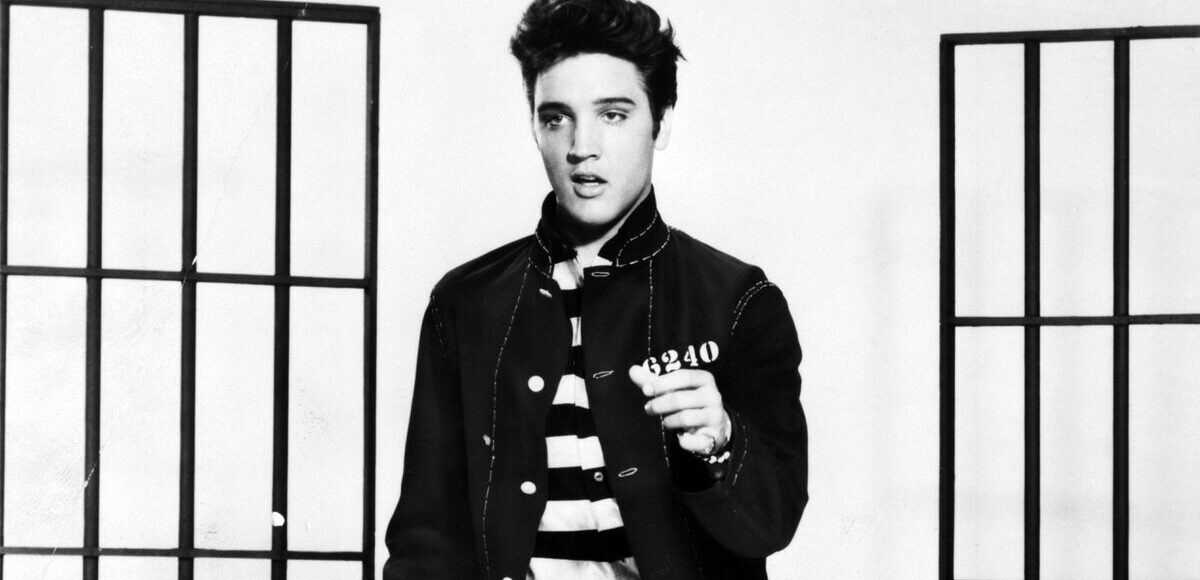
Memphis 1954 to the world stage, still one voice
In July 1954 at Sun Studio on Union Avenue in Memphis, Sam Phillips ran a label built on blues and country sides that rarely crossed over. Elvis Presley walked in as a shy truck driver who sang ballads and gospel. Scotty Moore played guitar. Bill Black played bass. Phillips asked for something uptempo. They ran through “That’s All Right,” a Arthur Crudup blues, and sped it up until the rhythm felt like a party in a small room. Phillips knew he had a bridge between Black R&B and white country radio before the take was finished.
Presley grew up in Tupelo, Mississippi, and moved to Memphis as a teenager. He soaked up gospel quartets at church, blues on Beale Street, and country on the radio. That triangle, sacred vocal blend plus blues inflection plus hillbilly song structure, stayed in his phrasing even when the arrangements grew enormous. He was not the first to mix those streams, but his voice made the mix feel inevitable: a baritone that could plead on a slow song and snap on an uptempo shuffle without changing personality.
Sun singles through 1955, including “Good Rockin’ Tonight,” “Milk Cow Blues Boogie,” and “Baby Let’s Play House,” built a regional following through live shows where Presley’s hips drew as much attention as his vocal. Colonel Tom Parker signed on as manager and negotiated Presley’s move to RCA Victor in 1956 for a sum that shocked the industry. The Sun catalogue remained a touchstone; RCA had the distribution to put the same voltage on national television.
“Heartbreak Hotel,” recorded in Nashville with guitarist Chet Atkins and drummer D.J. Fontana joining Moore and Black, went to number one in 1956. Presley appeared on The Ed Sullivan Show with cameras framing him from the waist up, a compromise that only amplified the myth. Elvis, the first RCA album, and the film Love Me Tender extended the same story: a voice that sounded intimate even through a mono television speaker.
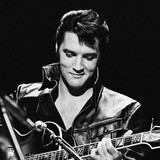
The army draft in 1958 paused the headline career but did not erase momentum. Presley served in Germany, recorded on leave, and returned in 1960 to a string of polished pop hits and a run of films that paid the bills faster than they pushed artistry. The comeback special filmed in 1968, later called Elvis, stripped the kitsch back to a leather-clad club set with Moore and Fontana beside him again. “If I Can Dream” closed with an orchestral swell that reminded audiences he could still command a stage without a movie script.
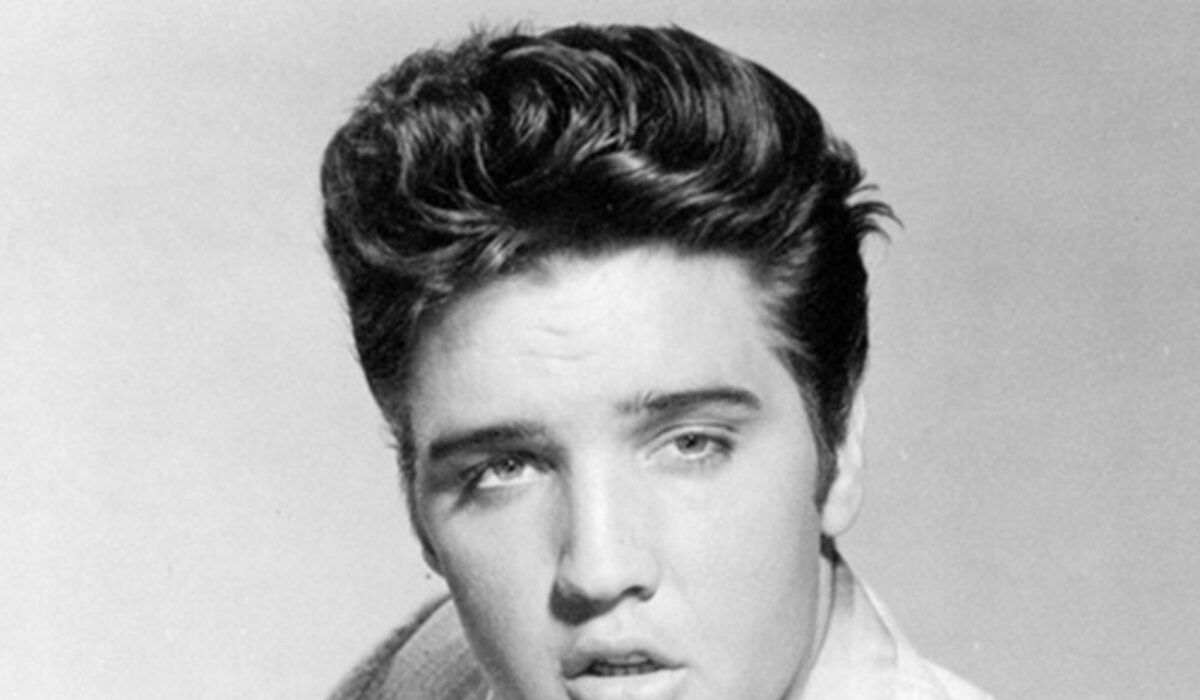
The 1970s Las Vegas residency and tours with the TCB Band turned Presley into a permanent live institution: karate moves, capes, and a voice that could still find the pleading center of “Can’t Help Falling in Love” or the swagger of “Burning Love.” Studio output mixed gospel reunions, country covers, and the occasional rock throwback. Health and prescription issues shadowed the final years; his death in 1977 at forty-two became a cultural checkpoint that still shapes how rock history is told.
Listen for the Sun-era slapback echo on early vocals, Moore’s clean guitar breaks, Black’s walking bass, and the way Presley slides into a word rather than attacking it. Later productions add strings and choir, but the core gesture, a held note that bends toward gospel, repeats across decades.
Entry points: the Sun singles compilation for the spark, Elvis Presley (1956) for the first RCA statement, From Elvis in Memphis (1969) for a mature studio peak, and the ’68 Comeback Special for live proof. Compared with Jerry Lee Lewis, Presley traded piano thunder for vocal seduction. Compared with Carl Perkins, he pushed pop polish further while keeping the blues snap in the attack.
Presley’s catalogue survives the impersonators and the licensing debates because the voice still sounds like a person in a room, even on the biggest arrangements. He did not invent rock and roll alone, but he made it feel like national conversation, then private confession, then spectacle, always through the same instrument.
That arc, from Sun Studio to Vegas, is why he still repays listening: not as a costume, but as a case study in how one singer could carry multiple eras without losing the Memphis voltage that started everything.