




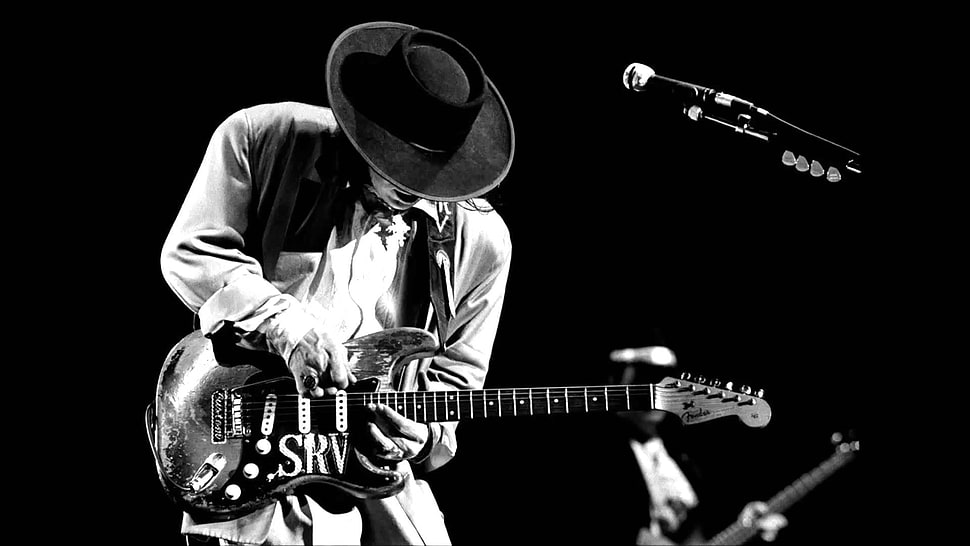
Down Town Studio, Nov 1982: Larry Davis blues, Epic debut
Texas Flood opens on a slow twelve-bar blues and a thick Stratocaster tone recorded loud. It is the title track of Stevie Ray Vaughan and Double Trouble’s debut album, released by Epic on 13 June 1983. Larry Davis cut the song in 1958 with co-writer Joe Scott; Vaughan did not reinvent the form so much as put Texas electric blues back on radio and guitar-shop shelves loud, precise, and played like a live band. Tommy Shannon plays bass; Chris Layton plays drums. Vaughan and engineer Richard Mullen share production credit with the band. John Hammond later steered the demo toward Epic after hearing what the trio had cut.
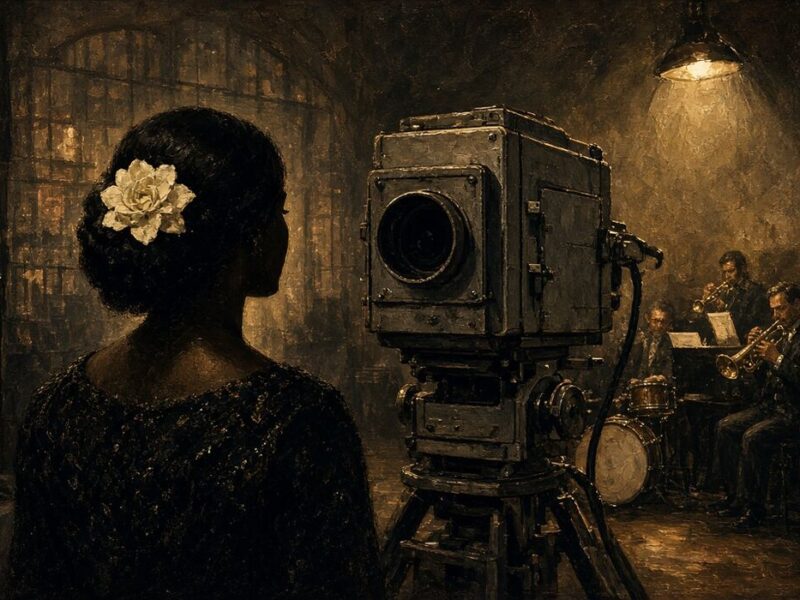
The core sessions ran 22-24 November 1982 at Jackson Browne’s Down Town Studio in Los Angeles, after Browne offered free studio time following the band’s July 1982 Montreux Jazz Festival set. The trio recorded fast, often set up in a circle on a warehouse floor with little isolation, Vaughan borrowing amp gear on site. Later remastering and New York mix work prepared the Epic release. Vaughan’s vocal sits behind the guitar rather than above it. The soloing stays inside the changes but hits hard: bent notes, wide vibrato, amp reverb that still sounds like a club. He does not rush. He bends notes, holds them, and leaves space between phrases, nearly doubling the length of Davis’s blues with improvised solo sections.
The album reached number 38 on the Billboard 200 and helped restart mainstream interest in blues-rock guitar after disco’s peak and before hair metal took the charts. Singles such as Pride and Joy carried more chart weight on rock radio; the title track remained the showcase for slow, loud Strat playing. After years on the Texas club circuit, Vaughan became a guitar-magazine and festival name almost overnight. Later albums and tours expanded the catalogue, but this recording stayed an entry point: a working trio selling a regional blues standard to MTV-adjacent shelves. Rolling Stone later placed Vaughan’s reading on its list of the 100 greatest guitar songs.
Live versions kept the song in circulation on Live Alive, Montreux releases, and the El Mocambo and Austin footage that documented how little the studio polish softened the trio’s stage feel. Blues clubs still call the tune when someone wants the Strat loud and slow. Remasters keep the thick midrange so the solo still sounds large on a cheap stereo.
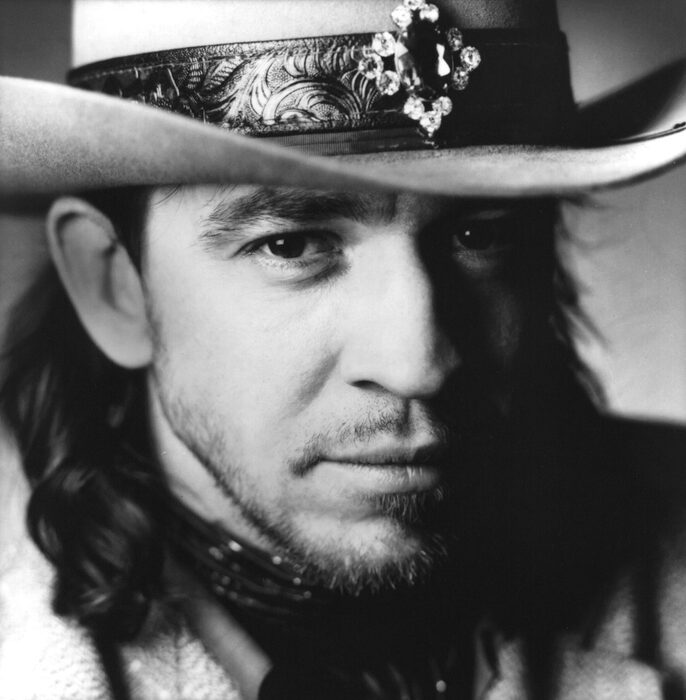
The practical result is easy to trace. Countless players learned Vaughan’s attack from this recording. The path from Montreux to Epic is short: a festival set, then three free studio days, then a career on a bigger stage. Davis wrote the song. Vaughan made it the debut title track and did not treat the blues as nostalgia.
The opening stays slow. Vaughan’s Strat tone carries the record, the song is still Larry Davis’s, and the debut title track runs on a loud amp, a twelve-bar form, and a trio that already knew the tune from the club floor.
Jacques | 12 October 2026
|
Heard Texas Flood a thousand times. This reminded me why it stuck. Might be recency bias but I do not care today. That is all.
Greg | 12 October 2026
|
Still puts Texas Flood on whenever I need a reset. Never gets old. Also the comments section on old forums was wild about this.
Tom Riff | 13 October 2026
|
Anyone else think the live versions of Texas Flood are better? Studio still wins for me though. Might be recency bias but I do not care today.
Ivan | 14 October 2026
|
This is the track I put on to test new speakers. Blues / Jazz never lies. Coffee got cold while I finished the article. Acceptable.
Inés | 15 October 2026
|
Heard Texas Flood a thousand times. This reminded me why it stuck. Sharing this in the group chat. Expect chaos.
Marc G. | 16 October 2026
|
Radio killed Texas Flood for me for years. Came back last month. Instant regret for waiting. Sharing this in the group chat. Expect chaos.