
Hoboken debut against the big 80s
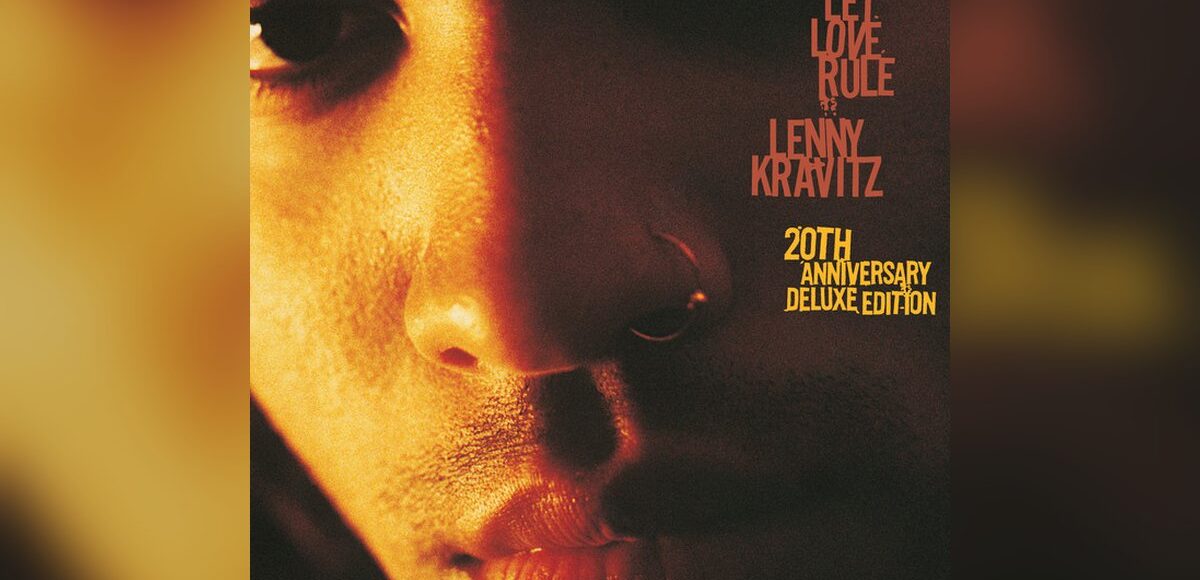
On 6 September 1989, Virgin Records released Let Love Rule, Lenny Kravitz’s debut studio album. Most of the sessions happened in 1988–89 at Henry Hirsch’s Waterfront Studios in Hoboken, New Jersey. “Sittin’ on Top of the World” was cut at Studio II in Culver City; organ overdubs went down at T.C. Studios in Somerville. Greg Calbi mastered the record at Sterling Sound. Kravitz produced, sang, and played nearly every instrument.
The gear choices were deliberate. Kravitz later described a tweed Fender Deluxe cranked to 10 for the dirty guitar tone, a Fender Twin Reverb for cleaner parts, and mostly an Epiphone Sorrento, with a Telecaster on some clean tracks. In an era of gated drums and heavy effects, he pushed for an intimate, organic mix. Lisa Bonet wrote lyrics for “Fear” and co-wrote “Rosemary”; otherwise the album is essentially a one-man show.
The title track became the calling card. Its mid-tempo groove, hand percussion feel, and gospel-tinged refrain stood apart from late-80s rock radio. Other key cuts include “I Build This Garden for Us,” “Does Anybody Out There Even Care,” and “Mr. Cab Driver,” which put social friction into plain language over a hard guitar figure. Karl Denson’s saxophone appears on selected tracks; Henry Hirsch also contributes organ and engineering.
Everybody back then was doing this really sort of Eighties sound, very effected, very bombastic, big drums. So I went the other way, to a very organic space. A very intimate space. And I used all this amazing vintage gear.
(Lenny Kravitz, Guitar World interview on Let Love Rule)

Critics and audiences heard psychedelic rock and psychedelic soul in the same record. The debut did not explode overnight into a US No. 1, but it built a durable base: college and rock radio play, a clear visual identity, and enough momentum for Virgin to back a second album. The title song’s video and live versions kept the phrase “let love rule” in circulation long after the first chart cycle.
What followed proved the point. Mama Said (1991) and Are You Gonna Go My Way (1993) scaled the sound up, but the DNA is already here: multi-instrument tracking, vintage amplification, and songs that mix rock grit with soul harmony. Later anniversary editions and remasters, including the 20th anniversary package, added demos and extras without replacing the 1989 sequence as the core document.
Let Love Rule remains the entry point to Kravitz as a studio auteur. It is a debut made outside the glossy mainstream of its year, then absorbed by that same mainstream once the hooks landed. Start with the title track, then hear how the rest of the album holds the same dry, close-miked logic from first song to last.