1979 rock opera, studio war, and a No.1 single
In late 1979, Pink Floyd released The Wall on Harvest/Columbia: a double album built as a rock opera about a rock star named Pink who walls himself off from the world. Roger Waters wrote most of it after the band’s mid-70s tours left him alienated from arena crowds. Producer Bob Ezrin helped shape the narrative and the arrangements while the group recorded in France, the United States, and elsewhere under heavy pressure and thin communication. Richard Wright was fired during the sessions and finished the record as a salaried musician. Out of that friction came one of the most expensive and tightly plotted albums in rock.
The story is personal and schematic at once. Pink stands in for Waters’s fears about fame, absent fathers, and authoritarian schooling, but the songs still work as radio pieces. Another Brick in the Wall (Part II) put a children’s choir on an anti-school chorus and went to No.1 in the UK and the US. Comfortably Numb pairs Waters’s vocal with David Gilmour’s long second solo, cut with a clear, singing tone rather than foggy psychedelia. Hey You, Mother, and Run Like Hell keep the plot moving: isolation, control, then panic on the other side of the wall. This is Floyd looking inward, not drifting into space-rock set pieces.
The Wall leaps to life with a relentless lyrical rage that’s clearly genuine and, in its painstaking particularity, ultimately horrifying.
(Kurt Loder, Rolling Stone, 1980)
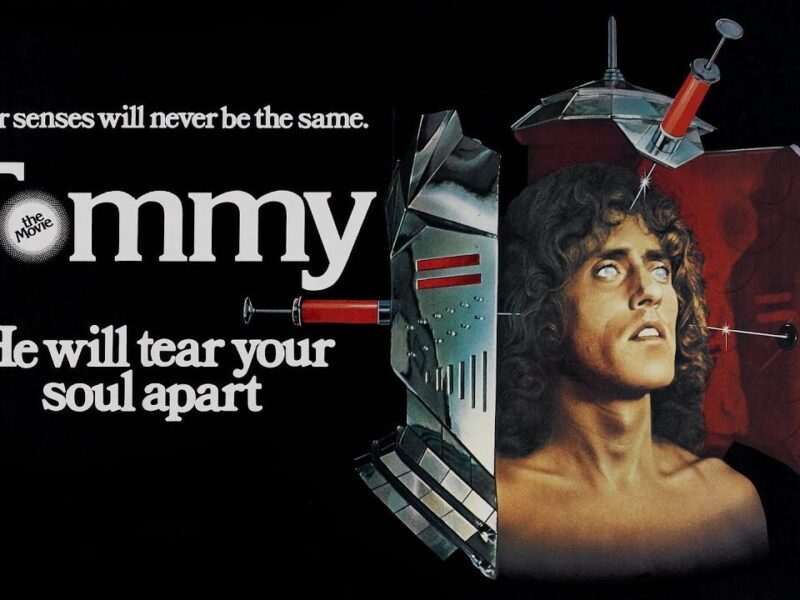
The album landed in a tense late-70s climate: post-Vietnam America, Britain sliding toward Thatcher, and a rock press tired of stadium excess. The Wall answered with a story about media noise and private collapse. The 1980–81 tour staged a literal wall between band and audience; it was a logistical ordeal, and the band’s working relationship did not survive it. Waters left soon after. Gilmour later called the period grim. Still, the record sold in the millions, spawned Alan Parker’s 1982 film, and stayed a staple of classic-rock radio. Its lasting claim is concrete: a concept album that turned Waters’s self-pity and Gilmour’s guitar into chart hits, stage architecture, and a template for rock opera after Tommy.