NYC-born multi-instrumentalist who made 60s/70s DNA radio-ready
Lenny Kravitz was born in New York City in 1964 to actress Roxie Roker and TV producer Sy Kravitz. Split formative years between Manhattan and Los Angeles fed a diet of rock, funk, soul, and gospel. By his teens he played multiple instruments and wrote his own parts. That DIY habit defined the debut.
Let Love Rule (1989) mixed old-school rock guitar with soul melody and a live, natural room sound against late-80s digital gloss. Kravitz wrote, arranged, and played most of it himself. Wider reach came with Mama Said (1991) and Are You Gonna Go My Way (1993): radio staples like “It Ain’t Over ’Til It’s Over,” “Always on the Run,” and “Believe.” Strings, horns, and backing vocals sat on rock riffs without sounding pasted on. Fashion and stage look stayed part of the same package.
Circus (1995) and 5 (1998) pushed further; “Fly Away” from 5 added funkier, more electronic edges while keeping live-band punch. Analog gear and clear textures became a brand promise: warm fundamentals, modernized 60s/70s vocabulary, no weekly trend chase. Collaborations with Mick Jagger, Jay-Z, and Madonna stayed inside that lane rather than reinventing him as a guest-verse product.
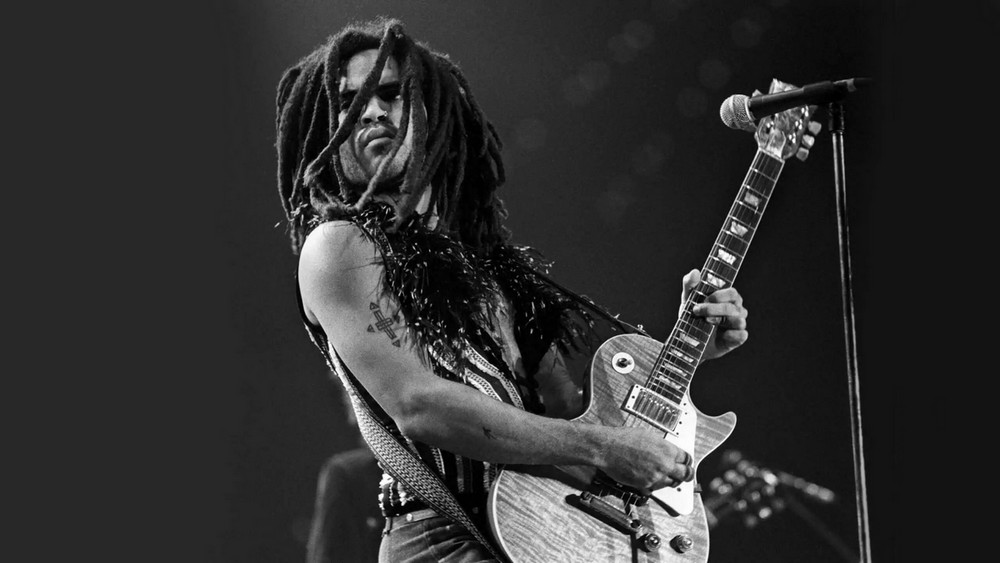
Themes recur: love, unity, spirituality, freedom. Live shows sell sound and contact more than choreography gimmicks. Acting (notably Cinna in The Hunger Games) introduced him to younger viewers who then found the catalog. Later albums (Baptism, Black and White America, Raise Vibration) kept acoustic/electric blends and lyric-forward grooves.
In 2024 he released Blue Electric Light, cut in his Bahamas home studio. Tracks like “TK421,” “Human,” and “Heaven” show tight arrangements, layered vocals, and the same guitar-bass-drums core. The record argues continuity: passion for rhythm and communal lift, not a nostalgia costume. That through-line from 1989 to now is the concrete story: a self-sufficient rock-soul craftsman who stayed audible on radio without abandoning the vintage toolkit.
Session discipline mattered as much as the leather-and-guitar image. Multi-tracking himself forced arrangements that left room for the vocal and the snare. When strings or horns entered on the 90s hits, they arrived as sections with jobs, not as wallpaper. “It Ain’t Over ’Til It’s Over” showed ballad control; “Are You Gonna Go My Way” showed riff economy; “Fly Away” showed he could touch modern production without deleting the live band feel. Radio programmers trusted that range.
Fashion spreads and Super Bowl-adjacent visibility sometimes overshadowed the writing, but the albums kept the argument going. Collaborations stayed selective enough that a Mick Jagger or Madonna feature felt like peer traffic, not a rescue. The Hunger Games role widened the door for younger listeners; Blue Electric Light asked them to stay for new songs, not only the 90s catalog. Home-studio Bahamas sessions in 2024 underline the same self-sufficient habit that started on Let Love Rule.
Call the through-line what it is: rock-soul craftsmanship with analog bias, Black and Jewish New York roots in the biography, and a public style that never apologized for classic influences. Groove and seduction sell the posters. The serial-number albums sell the longevity.