
From Wham! to Faith to Older
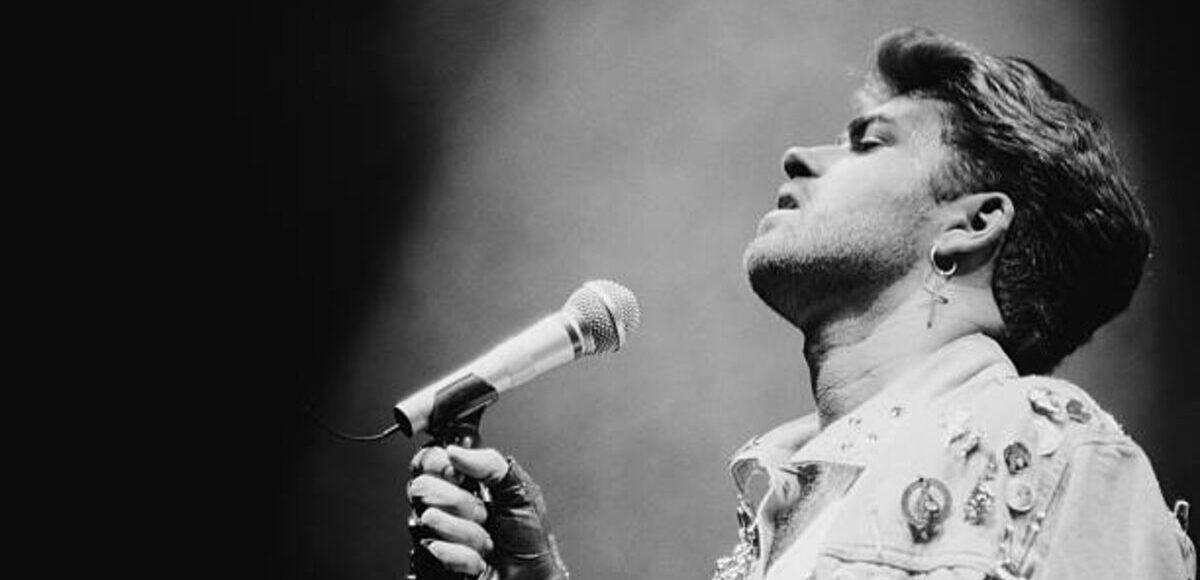
Georgios Kyriacos Panayiotou was born on June 25, 1963, in East Finchley, north London, the son of a Greek Cypriot restaurant owner and an English mother who had been a dancer. He grew up in Radlett, Hertfordshire, and met Andrew Ridgeley at Bushey Meads School. Together they formed Wham! in 1981, briefly calling themselves the Executive before settling on the name. Michael was twenty-two when Wham! broke up in 1986; he had written every significant song they recorded.
The Wham! years are sometimes misread as pop froth without substance. “Careless Whisper” (1984), credited to Wham! but essentially a Michael solo record, showed what was underneath: a saxophone line that everybody recognized immediately, a lyric about guilt without melodrama, a performance with enough control to let the song breathe. “Last Christmas” became the most-played song on British radio by the early 21st century. Neither is froth. Michael was writing melodically efficient, emotionally direct material while presenting it in a format that the pop market of 1983-84 could process without friction.
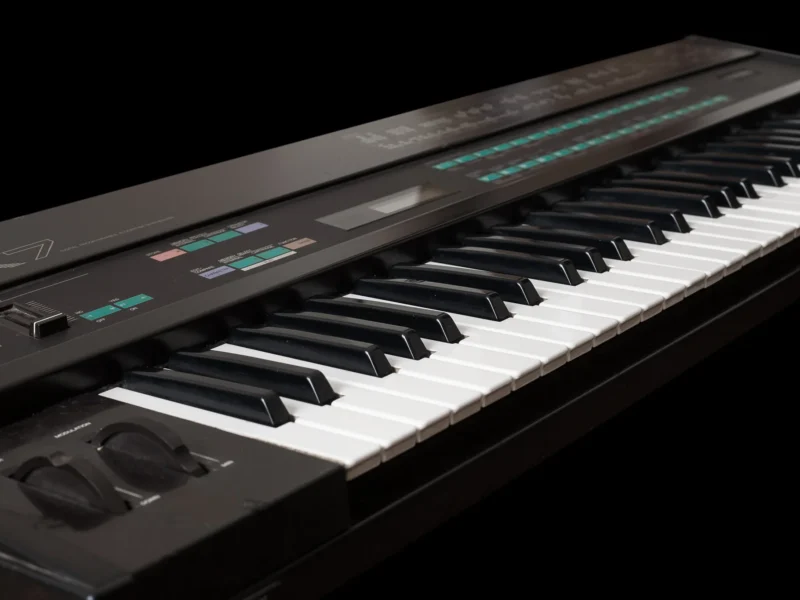
Faith (1987) made the argument explicitly. He wrote and produced almost all of it. “I Want Your Sex” was banned by some radio stations before they had heard the full record; “Faith” itself, built on a Wurlitzer electric piano riff and a Bo Diddley beat, defined his solo register immediately. “Father Figure” demonstrated the ballad control: a slow build, the voice entering quietly, the production not showing its hand until the chorus arrived. The album sold more than 25 million copies worldwide, and Michael became the first white solo artist to top the American R&B chart.
Listen Without Prejudice Vol. 1 (1990) was a deliberate step back from that visibility. He refused to appear in the “Freedom ’90” video, sending Cindy Crawford, Naomi Campbell, Linda Evangelista, Tatjana Patitz, and Christy Turlington instead. The record was quieter, more introspective, drawing from soul and gospel structures rather than pop choreography. “Praying for Time” opened it with a spoken-vocal delivery, no production gloss, a directness that Faith had not attempted.
A legal dispute with Sony occupied the early 1990s. He argued that the label had not adequately supported the album and that his contract constituted an unreasonable restraint of trade. The British courts ruled against him. The creative cost was a five-year gap between albums. Older (1996) arrived as a result of that period: darker, more melancholic, influenced by Philadelphia soul and jazz production, lyrically preoccupied with mortality in a way that was explained only partially at the time.
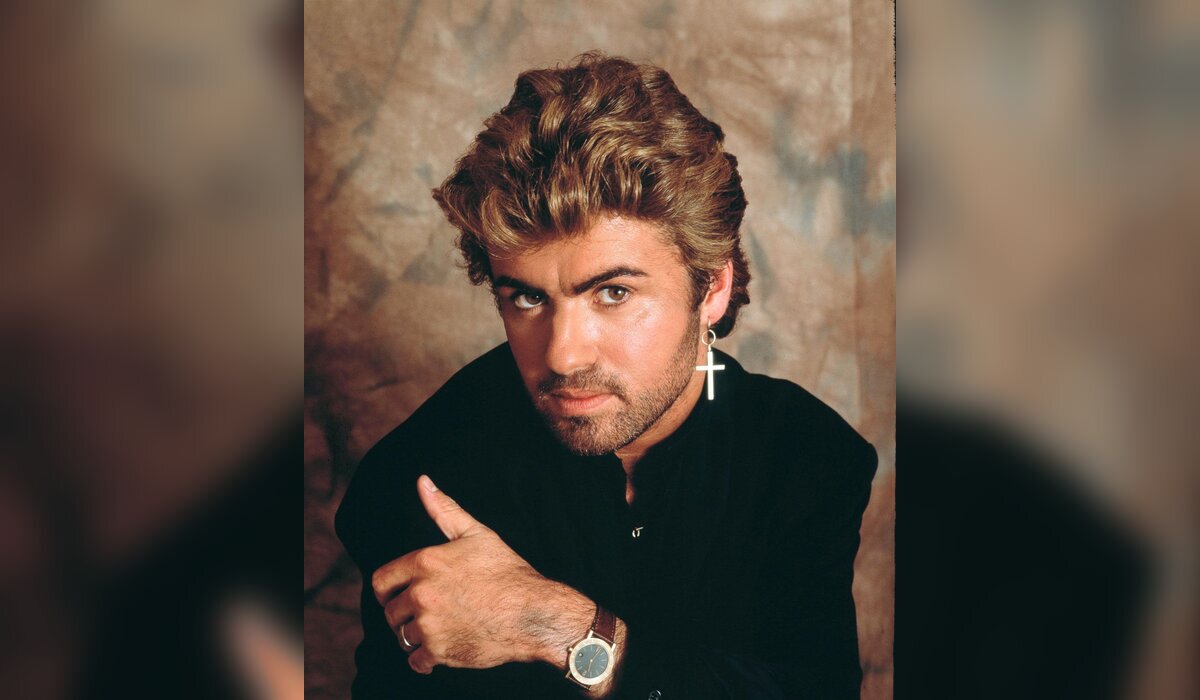
The voice is the argument. Michael’s technical range runs from a warm low chest register to a clean falsetto, and he understood precisely when to use each. On “A Different Corner” (1986) he sang barely above a whisper, the production following the vocal rather than the other way around. On “One More Try” the full instrument arrived at the bridge in a controlled gospel declaration. The range was the point; he used it as a structural element rather than a display.
Compared with Boy George: technically stronger, more range, less camp performativity, closer to the American soul tradition. Compared with Michael Bolton: more restraint, more sophisticated production instinct, less belting for its own sake. Compared with the general run of 80s British pop: a larger emotional register and a songwriter’s relationship with his material rather than an interpreter’s. He was working at a different level than most of his immediate contemporaries, and the records make that distinction audible.
Start with Faith for the defining solo statement. Older for the mature, darker record that revealed more of what had been under the surface. Listen Without Prejudice Vol. 1 for the artistic pivot between the two. “Careless Whisper” and “Father Figure” for the range; “Praying for Time” for the stripped version; “Freedom ’90” for the pop song that acknowledged its own artifice without dismantling itself.