




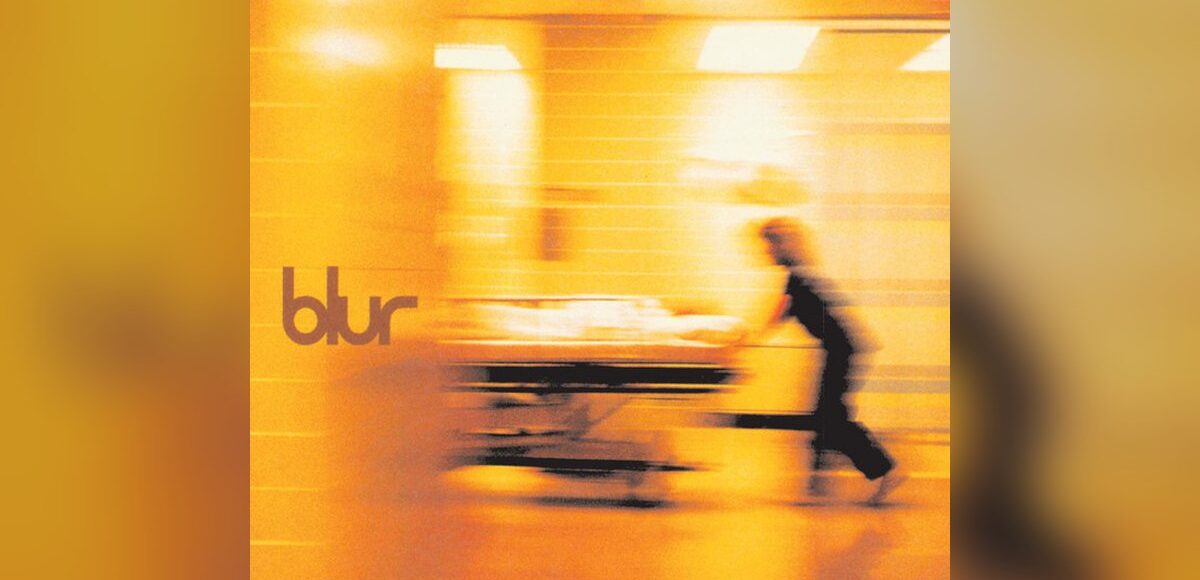
Mayfair to Reykjavík, Britpop left behind
In February 1997, Blur released a record that left the Britpop frame they had helped build. The Parklife grin was gone. In its place: dry, rough guitar, American alternative volume, and a two-minute track called “Song 2” that began as a joke and became a shout heard far outside Britain. Recorded between London’s Mayfair Studios and the long Icelandic dark of Reykjavík, the self-titled fifth album sounded like four musicians dropping the style they had been known for.
Stephen Street produced alongside the band, tracking to Otari RADAR hard drives that let jams become finished parts. The opening drum loop of “Song 2” was room mics on two kits, Dave Rowntree and Graham Coxon hammering a pattern Street looped so the band could play over it. “Beetlebum” opened the record with a heavier, hazier weight. “On Your Own” and “M.O.R.” stretched the palette further, while Coxon’s alone-at-the-mic “You’re So Great” sits like a short song left in the middle of the album. Vocals for several tracks were finished in Albarn’s Iceland house, where the winter light arrives late.
What holds Blur together is a break that still uses arrangement. The songs are shorter, rougher, more willing to leave a harsh guitar in the mix. Art-rock edges sit next to indie guitar. The band that once listed English scenes now sounded as if it wanted out of that list, without dropping melody. That tension runs through the album.
It was never thought of as being a single, just a bit of fun. Technology was able to let us record in a different manner, and of course it led to a very different sounding record compared to the previous three.
(Stephen Street, on Song 2 and the RADAR sessions)
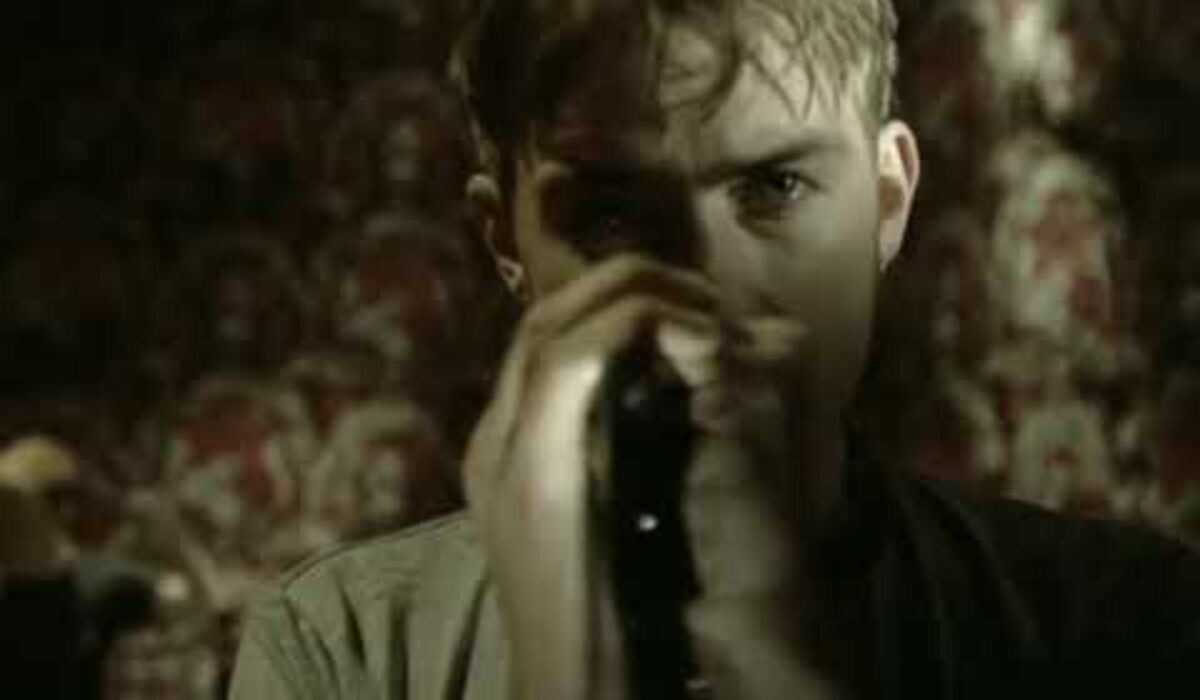
Food Records released the album on 10 February 1997. America finally leaned in. Stadiums learned the woo-hoo. Yet the quieter corners, “Death of a Party”, “Strange News from Another Star”, “Essex Dogs” with its edited jam left in, are where the record keeps its other songs. Britpop was already fraying. Blur did not write a farewell to it. The band changed the guitar sound and kept going.
Play it again and the rooms stay specific: Mayfair studios, Reykjavík sessions, two drum kits, a loop that became “Song 2”. Blur did not erase Britpop. It put Parklife‘s cartoon England aside and let Graham Coxon’s guitar lead. The “woo-hoo” was a joke that radio took seriously. The album still sounds like a band changing tools mid-career.


Paulo | 11 October 2026
|
The cover alone put me off as a kid. Then Blur ate my whole summer. Anyway.
Noah | 11 October 2026
|
Read this and finally understood why critics flipped for Blur. Also the comments section on old forums was wild about this.
Amy | 12 October 2026
|
The cover alone put me off as a kid. Then Blur ate my whole summer. Coffee got cold while I finished the article. Acceptable.
Olivier | 13 October 2026
|
My copy of Blur is destroyed. Still won’t replace it. Marks are history.
Yuki | 13 October 2026
|
i still play Blur front to back. Skipping feels rude.
Marie-Claire | 14 October 2026
|
My copy of Blur is destroyed. Still won’t replace it. Marks are history. I told my coworker and they shrugged. Their loss. I am biased and fine with it.
Chris | 15 October 2026
|
I still play Blur front to back. Skipping feels rude. Sharing this in the group chat. Expect chaos.
François | 16 October 2026
|
My copy of Blur is destroyed. Still won’t replace it. Marks are history. I am biased and fine with it.
Inés | 16 October 2026
|
This is the Blur album I lend to people. If they bounce, we talk later. I told my coworker and they shrugged. Their loss.