Baggy characters, Coxon grit, and a leap past Britpop
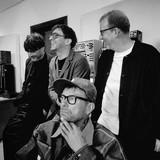
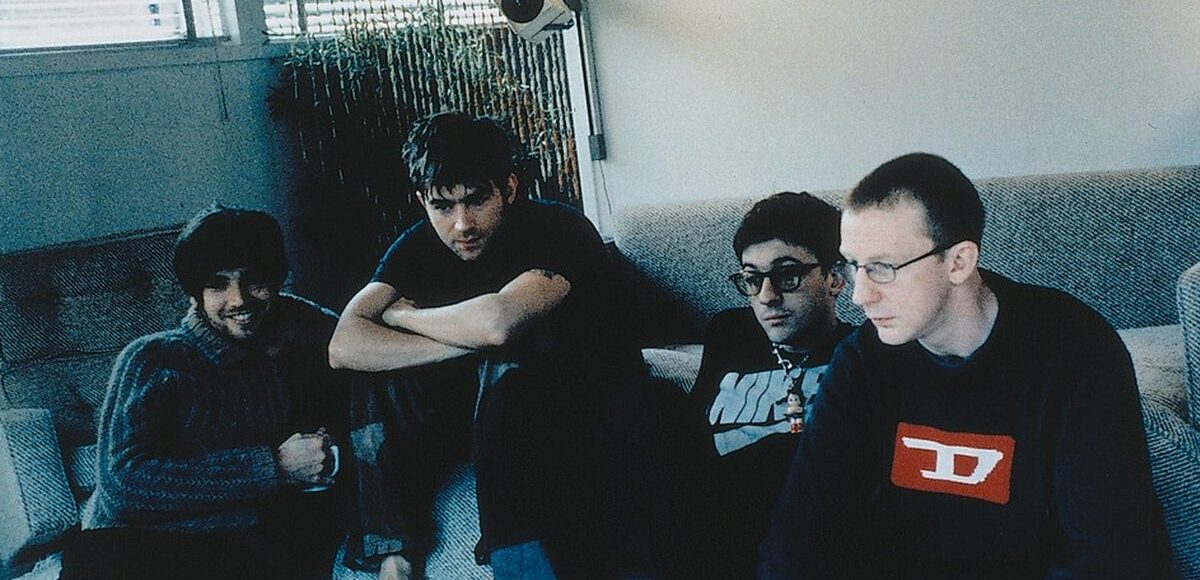
Four Colchester-area players turned English observation into chart weapons, then tore up the costume before it hardened. Damon Albarn wrote characters, choruses, and diary entries that could double as singles. Graham Coxon supplied jagged guitar, later lead vocals, and a reluctance to sand every edge. Alex James held the bass line with a pub grin and a taste for melody under the satire. Dave Rowntree kept drums neat enough for radio and live enough for rooms that wanted sweat. Food Records and producer Stephen Street shaped the early 90s climb from student circuits to national stages.
Leisure (1991) still wore baggy leftovers from the Madchester hangover. Modern Life Is Rubbish (1993) and Parklife (1994) built the Britpop postcard: “Girls & Boys”, “Parklife”, “End of a Century”, London and suburbs observed with a smirk instead of a tourist brochure. The Great Escape (1995) pushed the satire denser and the arrangements bigger. Then Oasis rivalry headlines threatened to freeze Blur as a tabloid brand fighting for chart bragging rights. The self-titled Blur (1997) escaped sideways into lo-fi American indie noise and “Song 2”, a two-minute shout that outran the argument and became a sports-arena reflex.
Albarn and Coxon met at Goldsmiths College after teenage spells in Circus and Seymour. Colchester rehearsal rooms and London flats fed the first demos before Food Records bet on observation over stadium scale. Bus routes, pub characters, and street names entered the lyrics because that was the geography they actually lived. The Kinks’ story songs, XTC’s suburban wit, and later American indie scratch all fed different chapters without turning Blur into a tribute act.
13 (1999), with William Orbit, bruised the romance: long songs, recovery talk, Coxon singing “Coffee & TV” while the band sounded less like a postcard and more like a late-night kitchen. Think Tank (2003) arrived after Coxon’s exit, with Fatboy Slim credits and Moroccan sessions that stretched the palette again. The band later reunited for tours and The Magic Whip (2015), then The Ballad of Darren (2023). Albarn’s Gorillaz career ran in parallel without erasing the quartet’s catalogue or the need for Coxon’s guitar when the reunion felt real.
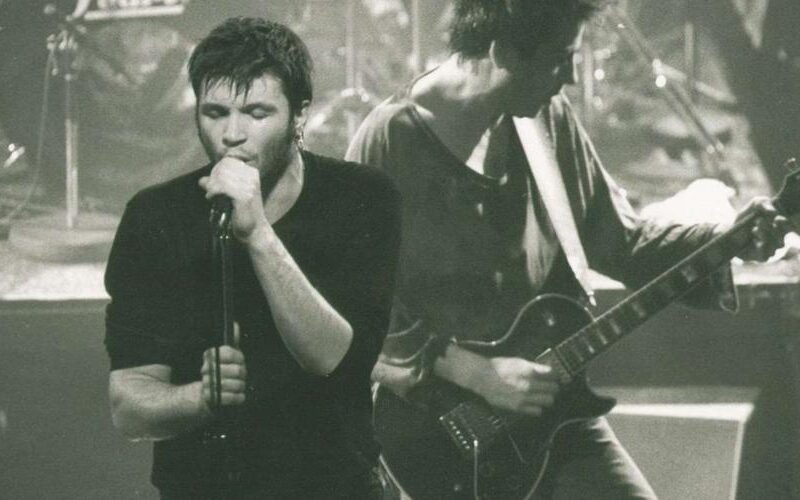
Live, Blur could be theatrical or raw depending on the era and the setlist. Videos treated English suburbia as comedy and documentary at once, from greyhound tracks to milk cartons searching for a face. Coxon’s guitar remained the grit under Albarn’s melodies even when the press preferred the frontman’s diary and side projects. The band’s gift was range: music-hall wink, punk scrape, ballad patience, stadium “woo-hoo”, and the nerve to change tools mid-career.
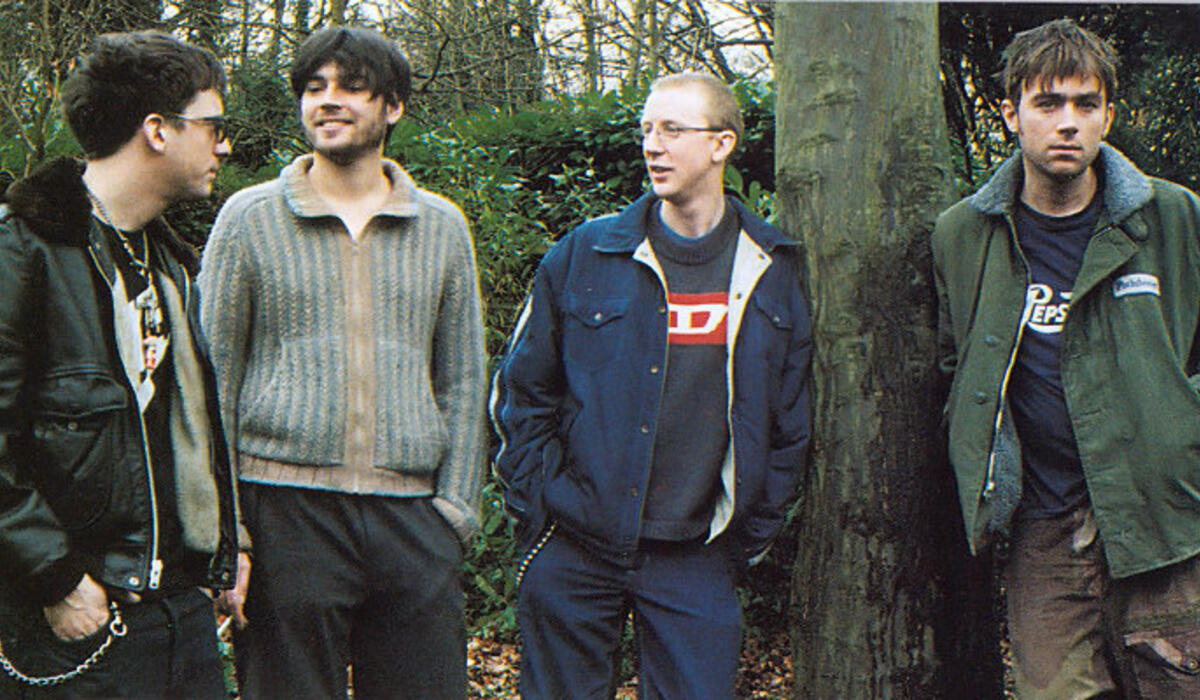
Reissues and festival returns kept the 90s songs in circulation for kids who missed the chart war and only knew “Song 2” from highlight reels. The point of Blur was never only Britpop victory. It was a group that used English detail as material, then refused to stay trapped inside the postcard they had drawn when the postcard became a prison.
Listen across Parklife, Blur, and 13 in one sitting and the through-line is curiosity. Albarn keeps writing characters. Coxon keeps refusing polish when polish would lie. James and Rowntree keep the songs standing up in rooms. That is a band method, not a fashion season. Britpop was one costume. The catalogue outgrew it on purpose.
Cue “Parklife” next to “Song 2” or “Tender” and the map still makes sense: observation, noise, and a refusal to stay one joke. Blur turned Essex and London into pop material, then kept rewriting the frame whenever the frame started to look like a cage.
Four players. Several costumes. One catalogue that outgrew Britpop’s shortest definition on purpose.
Colchester, London, and festival fields remain the geography. The music remains the argument: write what you see, then change the lens before the postcard hardens into a brand you cannot escape.