
Paris, 1983: masks, a drum machine, and a farewell that became a beginning
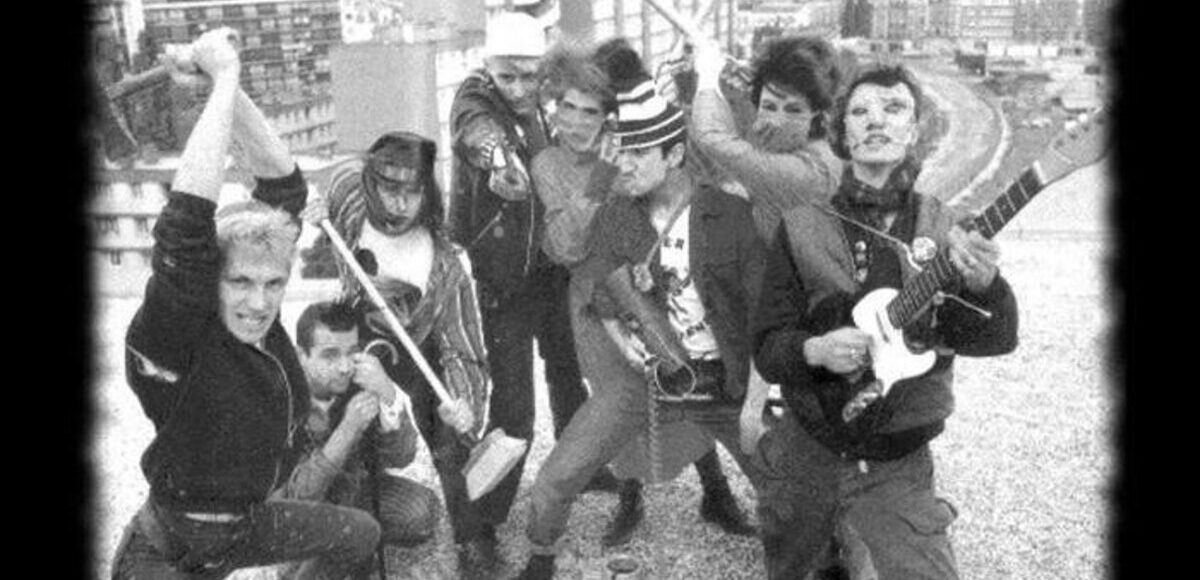
On 19 February 1983, at the Pali-Kao factory in Paris’s 20th arrondissement, François Guillemot and Loran played what was meant as a goodbye to an earlier band, Les Béruriers. The room was raw industrial space, not a polished club. What happened that night was not a quiet wake. It was the birth of Bérurier Noir: two musicians, a drum machine, shouted slogans, and a decision to wear masks so the group could be a gesture rather than a face.
François Guillemot (often credited as Bérurier) and Loran came out of the Paris punk and alternative milieu of the early 80s. Les Béruriers had already mixed provocation with DIY energy. When that line ended, the pair kept the noise and the politics but stripped the lineup down. No live drummer in the classic sense: the rhythm came from a programmed box, relentless and cold against the heat of the vocals.
Influences were French punk, situationist slogans, and the habit of treating the stage as a pamphlet. They listened to The Clash and local squats, but the result was not a British copy. The French lyrics were direct, sometimes absurd, often angry about work, the police, and boredom. The masks (black, simple, repeated) turned the band into a logo you could see from the back of a hall.
Macadam sur marbre (1983) and later records such as Abracadaboum! and the live document Concerto pour détraqués fixed the template: short songs, chant-along choruses, drum machine locked to a punk tempo. Tracks like “Salut à toi,” “Porcherie,” and “François” became rallying cries in French alternative circles. Distribution ran through independent labels and tape trades as much as through shops.
The sound is deliberately narrow and effective. Guitar slashes in short bursts. The drum machine ticks with metronomic stubbornness. Vocals trade lines or shout in unison. Production is often dry and close, as if recorded in the same concrete rooms where the band played. There is little room for solo virtuosity. The point is collective velocity and readable slogans.
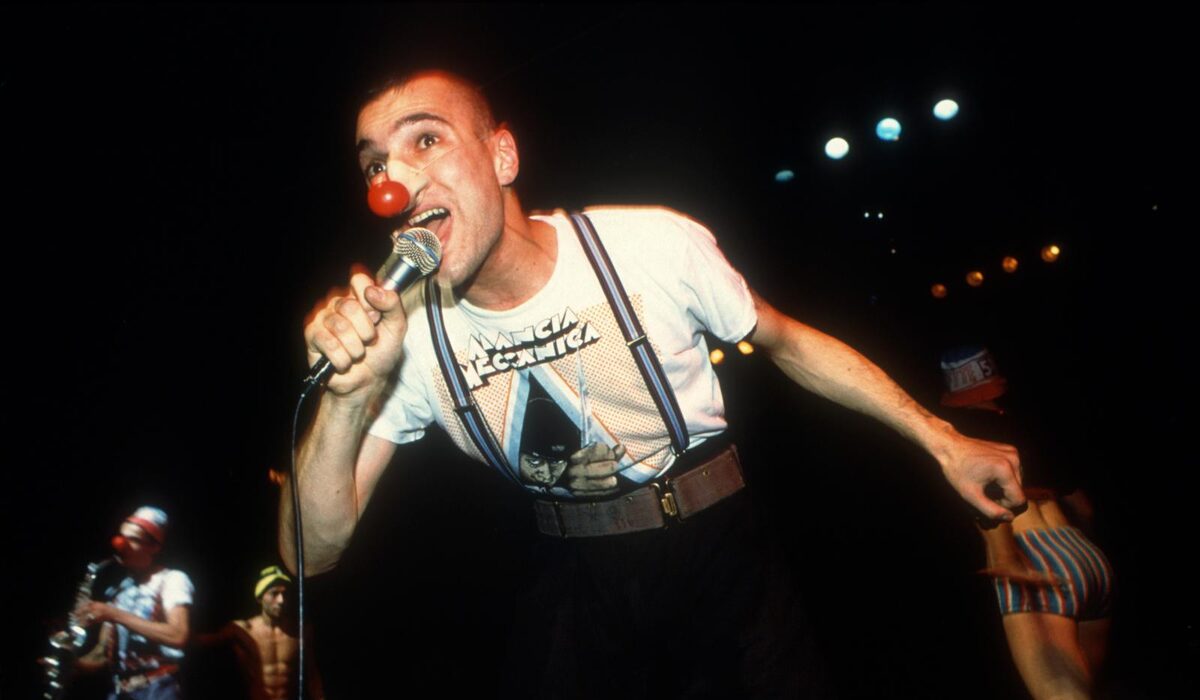
Through the 80s, Bérurier Noir toured France and spilled into Belgium and Switzerland, playing festivals and squats while mainstream rock looked elsewhere. They never chased chart polish. When they stopped, they stopped without a reunion industry. That scarcity kept the catalogue tied to a specific moment in French underground history.
What fed the project was less musical virtuosity than attitude: punk as social commentary, art-school prank as method, the drum machine as democratizer (two people could sound like a riot). Compared with Noir Désir or Les Négresses Vertes, later French rock acts with broader palettes, Bérurier Noir stayed closer to the squat pamphlet. Compared with UK anarcho-punk, they were more French in language and more theatrical in the mask idea.
Entry points are the early albums and any live recording you can find. Macadam sur marbre for the factory-night energy. Abracadaboum! for the refined sloganeering. Put “Salut à toi” and “Porcherie” on a playlist and you hear the whole machine: chant, machine beat, guitar stab, done in under three minutes.
Beside Métal Urbain or Stupeflip, other French acts that played with noise and provocation, Bérurier Noir is the most stripped: no synth glamour, no hip-hop turn, just masks and repetition. What distinguishes them is the pairing of minimal means with maximum political readability in the lyrics, delivered at punk speed.
They repay attention because they document a Paris underground that chose drum machines and masks over rock star mythology. The songs are still short enough to learn by heart, and the method still feels contemporary whenever a duo decides the stage should carry an idea before a personality.
Reissues and archival clips on video platforms have kept Bérurier Noir visible to listeners who never saw the Pali-Kao night. That afterlife is fitting: the band was always about circulation of slogans, not celebrity maintenance. Spin the early records once and the drum machine still feels like a deliberate choice, not a limitation imposed by budget alone.