




1985 Concerto pour détraqués: drum machine, slogan, Paris DIY
Vivre Libre ou Mourir is the second track on Bérurier Noir’s 1985 album Concerto pour détraqués, issued on Bondage Records (RRR009). The song runs about three minutes fifty-four seconds. François Guillemot (Fanfan) barks the vocal; Loran (Laurent Katracazos) plays guitar; the rhythm comes from the band’s drum machine, nicknamed Dédé, rather than a live kit. Saxophone lines from players such as Pascal “Kung Fu” and, in the wider mid-80s lineup, Masto cut through like a siren on several album cuts. There are no guitar solos and little soft harmony. The title is already a slogan: live free or die. On tape it sounds closer to a march for the street than to a radio ballad. Sessions for the LP ran at Studio WW in Paris in February and March 1985 with Patrick Woindrich engineering and mixing. Guillemot wrote the words; Loran wrote the music.
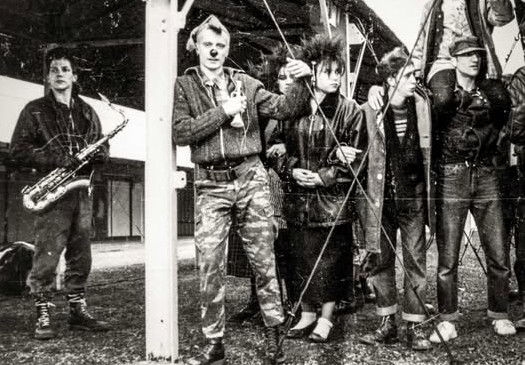
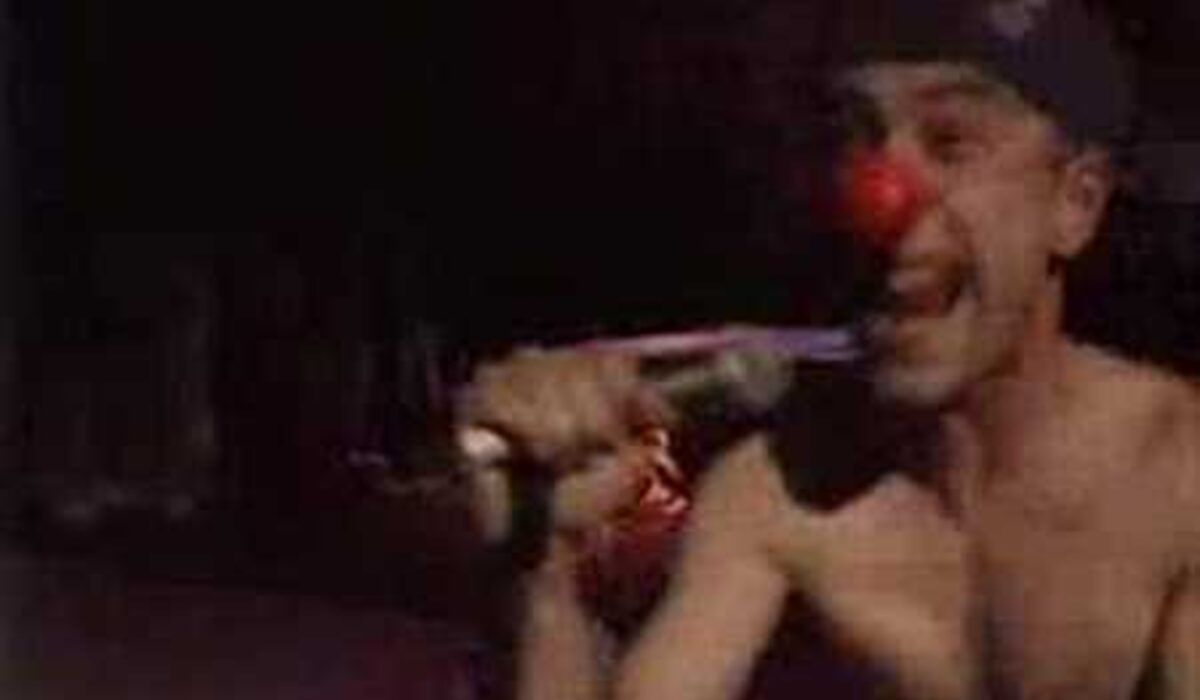
Bérurier Noir formed in Paris in the early 1980s around squats, fanzines, and the French anarcho-punk circuit. They refused the major-label path that swallowed much of French rock that decade, kept ticket prices low, and built their own later structure known as Folklore de la Zone Mondiale. Balaclavas, clown makeup, and mock uniforms were part of the stage language. The lyric does not hedge: resistance, defiance, and the right to a life outside submission. Dédé keeps a hard, even pulse that feels almost military while the voices spit the lines in short bursts. Loran’s guitar stays dry and rhythmic; the saxophone cuts short phrases rather than jazz solos, which fits a set built for marching and shouting.
French pop of the decade often chased soft synths and MTV gloss. Bérurier Noir packed halls without commercial airplay and left handmade cassettes and Bondage-era networks in their wake. Student groups, squatters, and anti-racist marches adopted the title line as a chant you could yell without a lyric sheet. The album also carried other lasting pieces such as Porcherie, Le Renard, and Hélène et le sang. Band archives later reached the Bibliothèque nationale de France, a rare official recognition for a group that treated independence as method, not marketing.
On Concerto pour détraqués, Vivre Libre ou Mourir sits early for a reason: state the politics before the record digs into darker portraits. Soft middle sections were never the aim. Reunion shows in the 2000s proved the slogan had outlived the first breakup. Play it beside glossy 1985 French chart pop and the contrast is factual: DIY volume, drum machine, barked slogan, no major-label polish required.
As long as there’s darkness, there’s hope.
(Bérurier Noir, 1983)
The title states the message before the arrangement does much else. The track was built to move a crowd and to keep that crowd moving, not to sit quietly on a playlist. Woindrich’s Studio WW tape keeps Dédé upfront and the vocal barked. Remasters left that balance as it was. They did not turn the song into a cleaned-up catalogue piece.
Dédé’s hard pulse and the barked title line lead the track. The sax cuts stay short, and there is no guitar solo. The 1985 Bondage tape did not add a major-label finish. The slogan is already the vocal, from the first line to the last.

Anne | 12 October 2026
|
Still puts Vivre Libre ou Mourir on whenever I need a reset. Never gets old. Replay button abused.
Emma | 13 October 2026
|
Cool. Now I want the deep cuts around Vivre Libre ou Mourir too.
Bruno | 13 October 2026
|
Bass line on Vivre Libre ou Mourir is the whole argument. Rest is decoration.
Yuki | 14 October 2026
|
Short take: the groove on Vivre Libre ou Mourir still feels unfair.
Olivier | 15 October 2026
|
Opened the article, heard the riff in my head before the embed loaded. Classic.
Bea | 16 October 2026
|
Still puts Vivre Libre ou Mourir on whenever I need a reset. Never gets old. I told my coworker and they shrugged. Their loss. Ok bye.