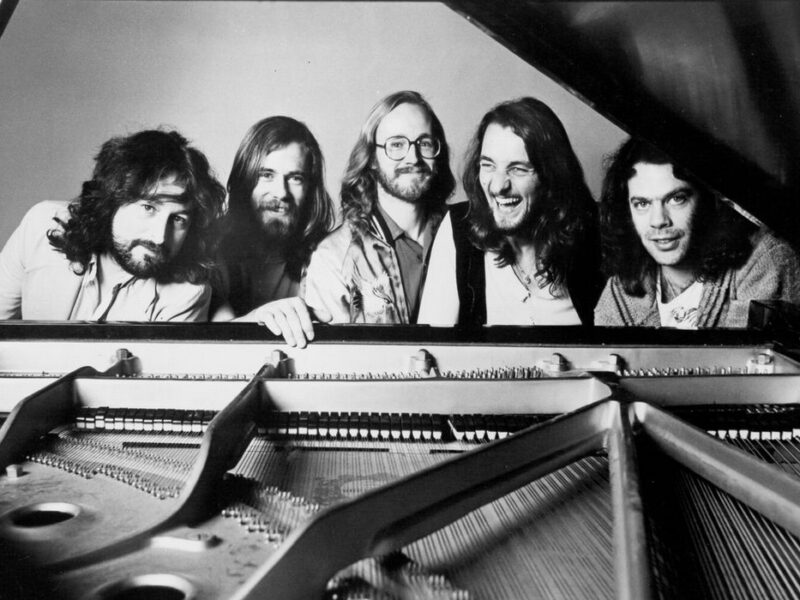

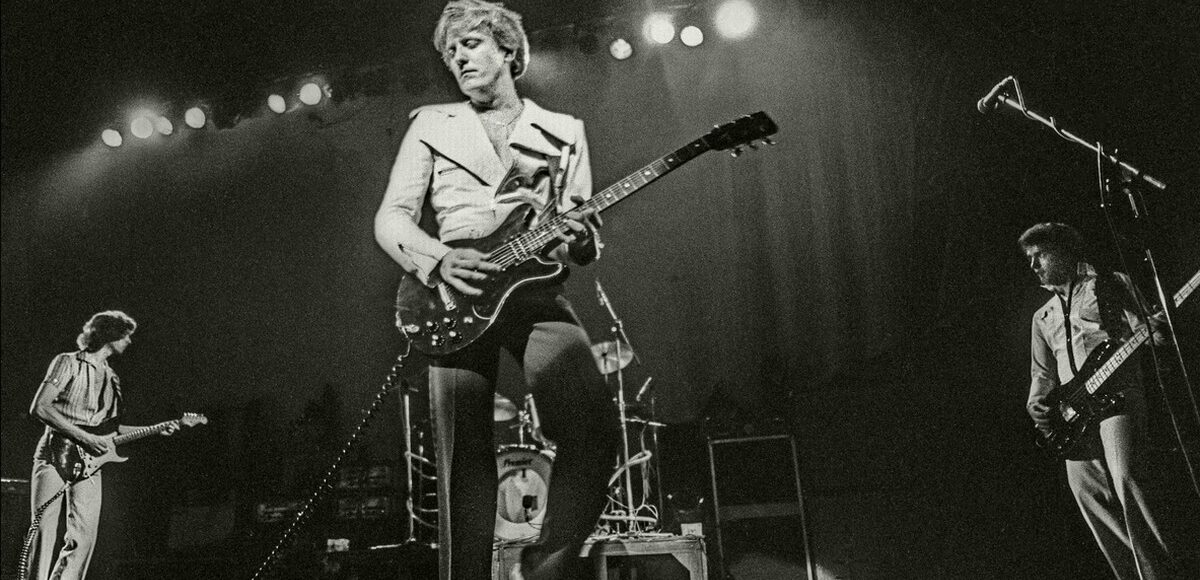
Parsons at Abbey Road, piano to climax
Music (1976) builds from a quiet opening to an orchestral climax without rushing. John Miles, still in his mid-twenties, wrote from piano training and a diet that ran from Mahler to The Beatles. Strings weave around electric guitars and drums without crowding the melody. Alan Parsons engineered at Abbey Road with clarity and space so each section has a job: reflection, climb, release. Melody Maker called Miles the brightest fresh force in British rock that year; the single’s ambition explains the headline.
The structure itself is the story. Soft vocal entry, mounting intensity, full ensemble pay-off, then control on the way down. Radio and TV specials loved the drama; classic-rock stations later filed it beside other orchestral-rock singles that were not progressive noodling so much as pop with a budget for strings. Miles’s voice stays clean through the fortissimo passages. No need to invent a cathedral metaphor: you can hear the room and the overdubs.
Live, the song became a showcase that demanded a band able to cover both rock kit and arranged parts (or tapes). On record, Parsons’s balance is why it still mixes well on modern systems: midrange vocal, sparkling top on strings, guitars that do not mask the orchestra. British rock in 1976 had louder competitors; few matched this particular soft-to-loud narrative in one radio edit.
John Miles is the brightest, freshest force in British rock
(Melody Maker, 1976)

Decades on, Music survives as Miles’s signature citation and a teaching track for arrangement: how to grow dynamics without losing the hook. Cover bands and orchestras still program it because the roadmap is obvious and satisfying. Concrete credits (Miles, Parsons, Abbey Road, 1976) beat any glowing adjective stack.
Strings and guitars in the same breath, on purpose. That is the legacy on the tape.
Miles came up through working bands and variety stages before the single made him a one-song household name for many casual listeners. That can flatten a career, but Music earns the spotlight: key changes you can map, an orchestra that supports rather than smothers, and a rock rhythm section that still swings under the strings. Parsons’s Abbey Road engineering sits in the same broad era as his own project fame, which helps explain the clarity fetish on the mix.
Television light-entertainment slots loved the soft-loud narrative because cameras could cut from close vocal to wide orchestra. Classic-rock radio kept the edit alive for drivers who wanted drama without progressive-suite length. Cover versions by orchestras and rock bands prove the roadmap is sturdy. Melody Maker’s enthusiasm in 1976 reads as period heat; the arrangement’s logic is why the heat never fully cooled.