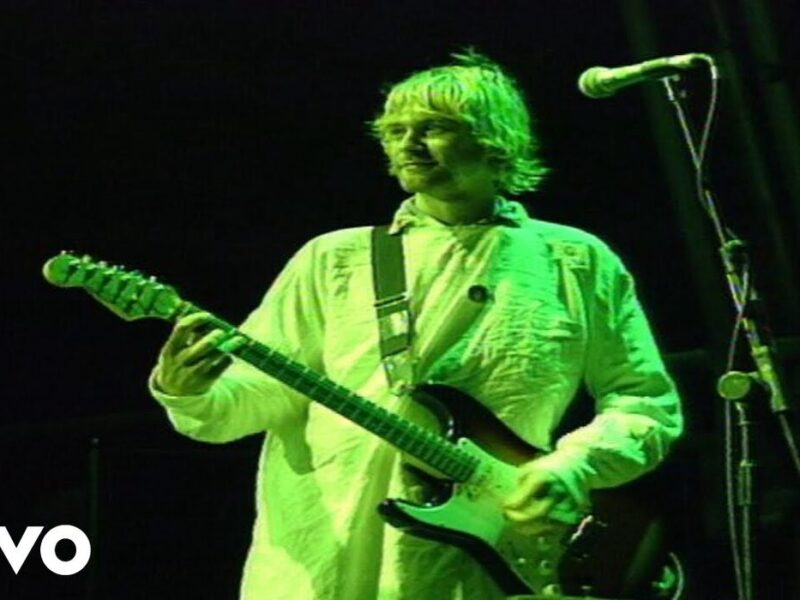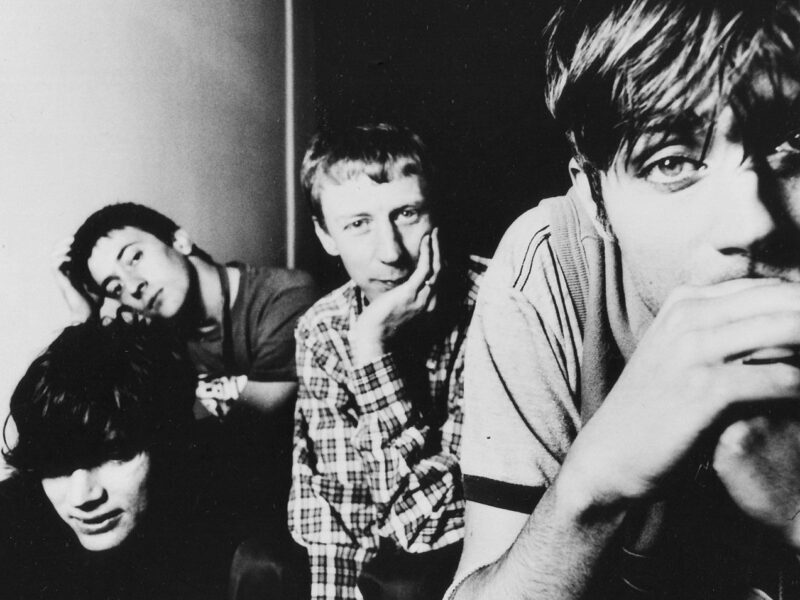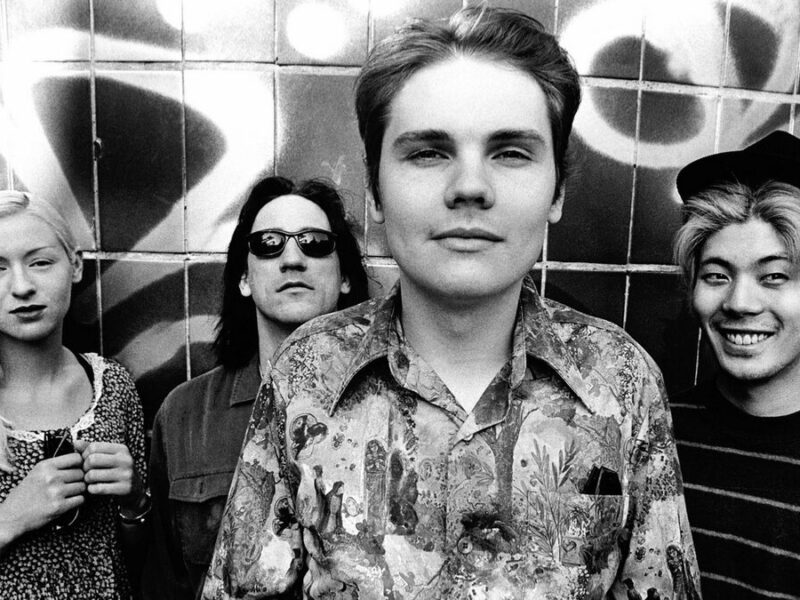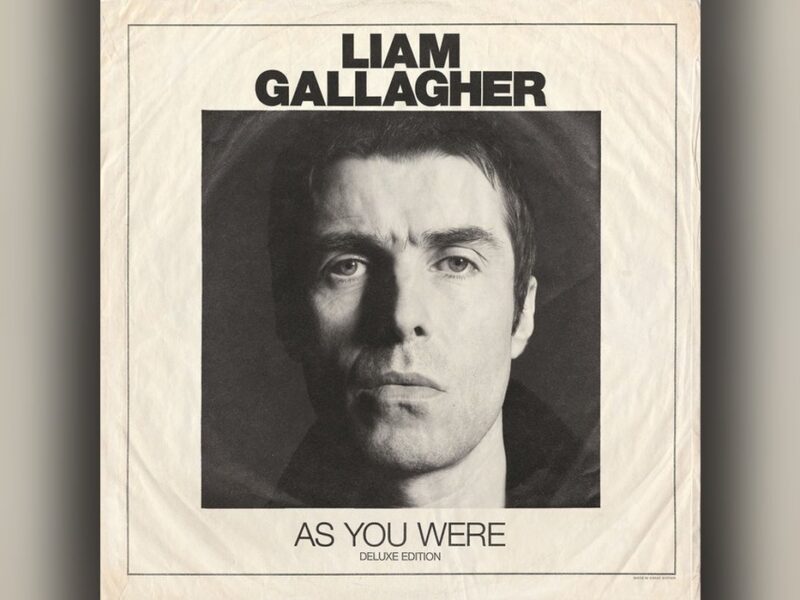
Brixton 1996: one secret album that refuses to stay secret
In a parallel 1996, between Camden record shops and Manchester rain, Blur and Oasis cut a record together. It starts at a beer-soaked pub quiz where Noel Gallagher calls Parklife music for dog-walkers and Damon Albarn fires back that Revolver is overrated. Glasses tip. Someone cues “End of a Century” next to “Cigarettes & Alcohol” on the jukebox. Noel stares at the machine and says they should make an album. Damon agrees only if he gets to sing something truly embarrassing.
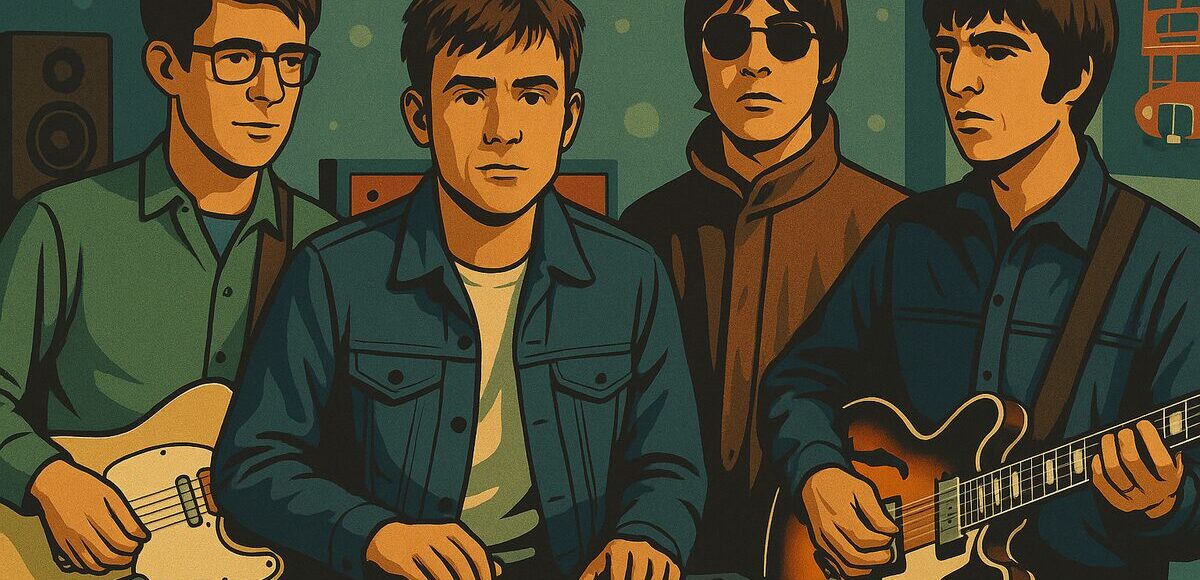
They book a nondescript Brixton studio. No press. No roadies. The sessions mix magic and nonsense. “Rainy Cigarettes on Primrose Hill” pairs Damon’s murmur with a Noel riff that hits like a bulldozer. “Mockney Soul Revolt” has Liam howling about daytime television while Graham Coxon runs a clarinet through distortion. Dave Rowntree keeps time like a civil servant on overtime. Alex James arrives late with wine and a melody he claims came to him on the Tube. Bonehead sits in the corner and plays one chord until the room accepts it.
Fights arrive on schedule. Liam throws a tambourine when Damon calls Definitely Maybe one-note. Damon swaps Liam’s mic for one that only works if you stand still. Noel refuses to let Graham’s feedback sit under a chorus, then keeps it because it sounds expensive. Somehow the tapes fill. They title the album Common Enemy as a joke that sticks. Twelve tracks. No guest features. A sleeve with two empty chairs facing each other across a scuffed floor.
The finished album is supposed to stay locked. Creation and Food Records both hear a rough mix and immediately invent different release dates. Then a single white-label copy leaks to a Radio 1 producer. He plays thirty seconds of “Rainy Cigarettes on Primrose Hill” at 2 a.m. and denies it the next morning. By noon, three music papers have the same unconfirmed tracklist. By Friday, bootleg cassettes with wrong song titles are selling outside Camden Market for twice the price of a pint.
When Common Enemy finally comes out officially in late autumn 1996, the charts treat it like a national event. It is not neat Britpop. It is two accents arguing inside the same chorus. “Mockney Soul Revolt” becomes a pub singalong that nobody admits liking first. “Primrose” gets daytime radio. A B-side, “Northern Escalator,” becomes the one serious fans pretend they discovered alone. The NME calls it a truce. Melody Maker calls it a hostage situation with hooks. Top of the Pops books both singers and puts them on opposite sides of the stage.
They refuse a joint tour at first. Too many egos. Too many managers. Then Wembley offers a one-night bill neither side can ignore. Blur open with new arrangements that sound colder than The Great Escape. Oasis answer with volume and three songs from the shared album sung like threats. Mid-set, both bands share the stage for four tracks. Liam and Damon stand six feet apart and never look at each other. The crowd looks enough for both of them. The show ends without a speech. The next day’s papers invent three different speeches anyway.
After that night, Britpop does not collapse on schedule. The newspapers still want a war, but the war has a soundtrack both sides already recorded together. Tabloid photographers wait outside separate pubs and get almost nothing. In 1997, while Be Here Now balloons elsewhere in this timeline, Noel spends odd weeks rewriting quieter parts of Common Enemy for a stripped EP called Empty Chairs. Radio plays it at breakfast. Pub jukeboxes play it at closing time.
Damon, restless, still goes to Mali. He still comes back with percussion and goat stories. Then he folds those rhythms into a Blur single that sounds nothing like Camden and somehow still charts. Graham Coxon treats the Brixton tapes as permission to push further left. His guitar on later Blur sessions gets thinner, stranger, more private. Alex writes a cheese-and-wine column that somehow mentions the Wembley night without naming Oasis. Everyone knows who he means.
Liam tells a tabloid the joint album was “alright for southerners,” then sings “Rainy Cigarettes” at a solo acoustic show in Manchester and forgets half the words on purpose. The crowd finishes them for him. Noel, years later on a radio couch, shrugs and calls the record mad but brilliant. He means it. He also means he still thinks he wrote the best riff on it. When the host asks about a sequel, Noel says anger has a sell-by date and they missed it.
The industry reaction is messier than the music. Labels try to brand a whole season of “enemy collaborations.” Most of them are terrible. A festival in Leeds books rival bands on the same bill and prints posters with empty chairs like the Common Enemy sleeve. Some nights it works. Some nights chairs get thrown. American A&R people arrive late to Britpop and ask who won. A London publicist answers, without smiling, that the album did. MTV Europe runs a special titled The Night the War Sang Harmony. Both camps pretend not to watch it.
Through the 2000s the myth keeps changing shape. Bootleg outtakes surface with different middle eights and one unfinished song marked “Chair Two.” A documentary crew finds three minutes of studio video where Damon laughs at a Noel demo and Noel pretends not to enjoy it. University modules put Common Enemy next to Parklife and (What’s the Story) Morning Glory? as if the argument needed a third book. Teenagers who never lived through 1995 stream the joint album first and only later learn there was supposed to be a war.
Neither band disappears into the collaboration. Blur still mutate through art-school turns and reunions. Oasis still split, reconcile in headlines, and spit in public. But every few years somebody asks about Brixton. In interviews Damon smiles into whatever he is drinking that decade and says some things only make sense in parallel worlds. Noel says they should have done a second album when they were still angry enough. Liam says they did do a second album, then refuses to clarify whether he means a dream, a lie, or a tape in someone’s attic.
A deluxe reissue in the 2010s adds rehearsal banter, a fax argument between managers, and that unfinished “Chair Two.” It charts again. Tribute bands learn both accents badly. A fashion label sells jackets with two empty chairs embroidered on the back. Somewhere in a BBC archive, the original Radio 1 leak tape still sits in a box labeled with the wrong date.
In our timeline fans still argue Blur versus Oasis as if the question needs a winner. In this one, the question keeps running into twelve shared tracks and one Wembley night where the microphones were closer than the singers. Somewhere else they are still two sides of the same vinyl. Here, every few years, somebody flips that vinyl over and finds the argument still playing.