
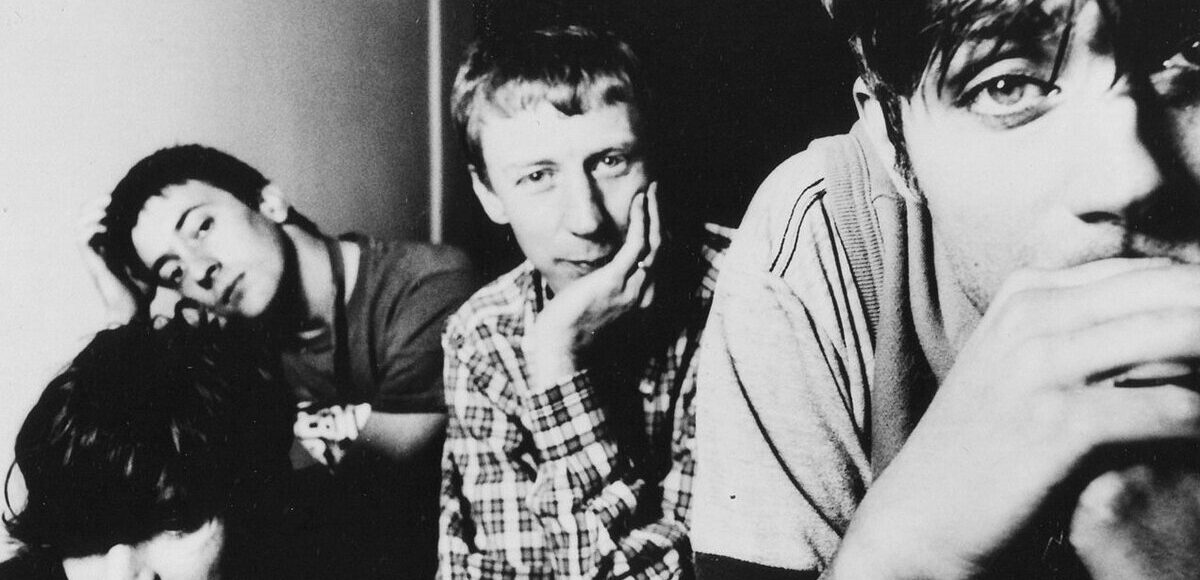
Food Records, June 1993: the second Modern Life single
The guitar arrives already restless. Graham Coxon’s lines do not decorate Damon Albarn’s vocal; they argue with it, bright and slightly abrasive, while Dave Rowntree keeps a firm backbeat and Alex James holds the floor with a bass line that stays simple on purpose. Chemical World, from Modern Life Is Rubbish (May 1993), is Blur naming the plastic shine of contemporary England without turning the complaint into a pamphlet. Albarn sings as if the high street were a laboratory and everyone a sample. The stop-start figure at the top of the UK cut snaps you into the argument before the chorus opens space. The chorus lands hard because the band leaves air around it. Nothing in the mix congratulates itself.
Stephen Street produced the UK album sessions after the band pulled away from the baggy hangover of Leisure. Food released Chemical World as the second single on 28 June 1993, after For Tomorrow; it peaked at UK No. 28 (same peak as that first single) and reached No. 27 on the US Modern Rock chart. SBK had pushed for a more American-friendly package: a demo and a Clive Langer/Alan Winstanley rework circulated in the US edition, while the British Street version kept the dry sting and the sharper guitar picture. That clarity is the point. The song is about saturation, not about sounding saturated. B-sides around the single, including a take on Rod Stewart’s Maggie May, showed a band still hungry for angles.
Dwight Clarke directed the video: the four of them playing in a grassy field, cut against close-ups of snails, birds, and other small life. Pastoral calm against a lyric about chemical modernity. It is a simple idea, and it still works because the band looks loose rather than staged. Live, the track sat in the set as proof that Blur could write a hook without soft-pedalling the sarcasm that would later define Parklife. The English detail was already there; the bite was still intact.
We wanted to write about England as it actually felt, not as a postcard. The songs had to be specific or they would just be noise.
(Damon Albarn, on the Modern Life Is Rubbish period)
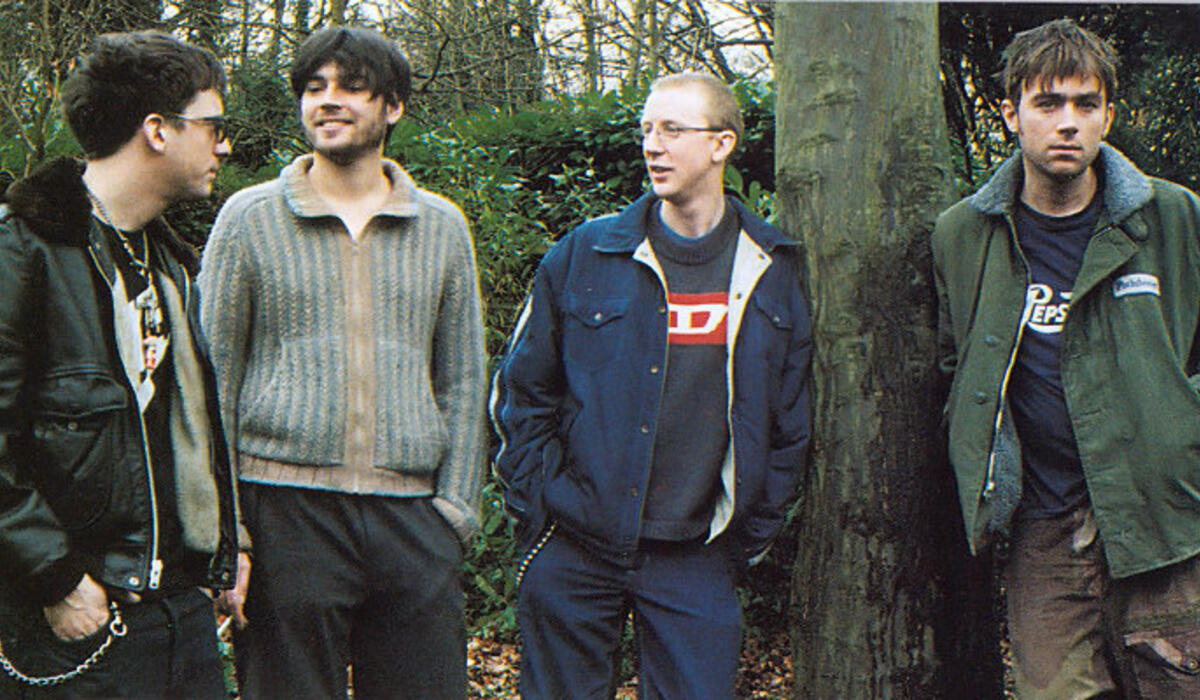
Chemical World helped convince listeners that Blur’s second album was not a retreat but a reorientation. The Britpop wave that followed would borrow the English detail and sometimes lose the bite. This single still has the bite: Coxon’s guitar remains the argument; Albarn’s melody remains the invitation. Midlife compilations later gave it a second shelf life after it sat out some greatest-hits packages.
Put it on again and the laboratory still fits: bright packaging, thin air, a band refusing to pretend the high street was harmless. Chemical World is where Blur learned to sound English without sounding soft, and the lesson stuck through Parklife and beyond.