Kiowa Trail in May, then a sermon played in reverse
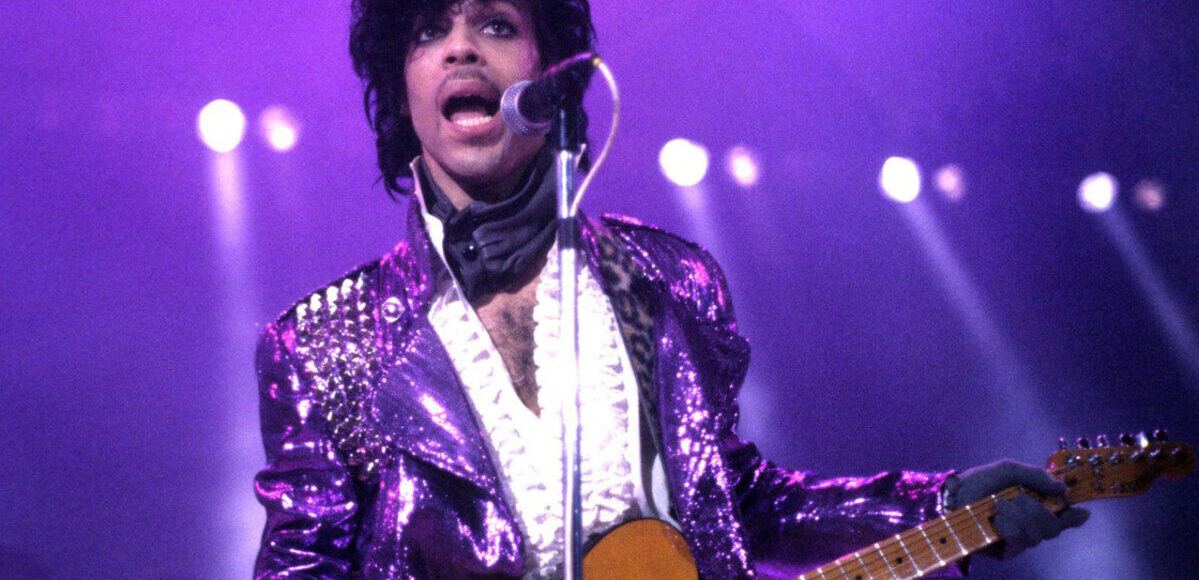
A cassette from Matt Fink’s collection puts Darling Nikki at Prince’s Kiowa Trail home studio in Chanhassen on 27 May 1983, with “new Prince” written beside the title. Prince played every part. Don Batts engineered the home date. With When Doves Cry and The Beautiful Ones, it is one of three songs on Purple Rain that he cut alone. There is no band arrangement to hide behind. A Linn pattern kicks under live drums, the guitar line stops and starts, and the vocal keeps climbing until the last scream.
The lyric opens in a hotel lobby and moves to a castle full of devices. An earlier draft, later printed in his memoir, was a joke about a girl who could not cook. He crossed that verse out. What stayed was the grind, the dotted line, and the morning after, when Nikki is gone and a phone number is left on the stairs. In the film, the Kid sings it at First Avenue while Apollonia sits with Morris Day. Albert Magnoli used the number as the moment the Kid tries to humiliate her. The performance is what people kept. The scene around it is thinner than the track.
The coda was not on the May tape. On 18 and 19 September 1983, at Sunset Sound in Hollywood, Prince added wind, thunder and rain from the studio library, the same clips Duane Tudahl traces to the Vanity 6 song Wet Dream, plus a choir recorded backwards. Run the ending in reverse and he says hello, and that he is fine because the Lord is coming soon. Susan Rogers, who started with him just after this song, called the pairing deliberate. On vinyl and cassette it closes side one. A further edit and crossfade went down at Sunset Sound on 21 and 22 March 1984.
That place where that backwards gospel comes on the album is no accident. That’s the redemption that follows his journey to hell in Nikki’s castle.
(Susan Rogers, BBC Radio, 2003)
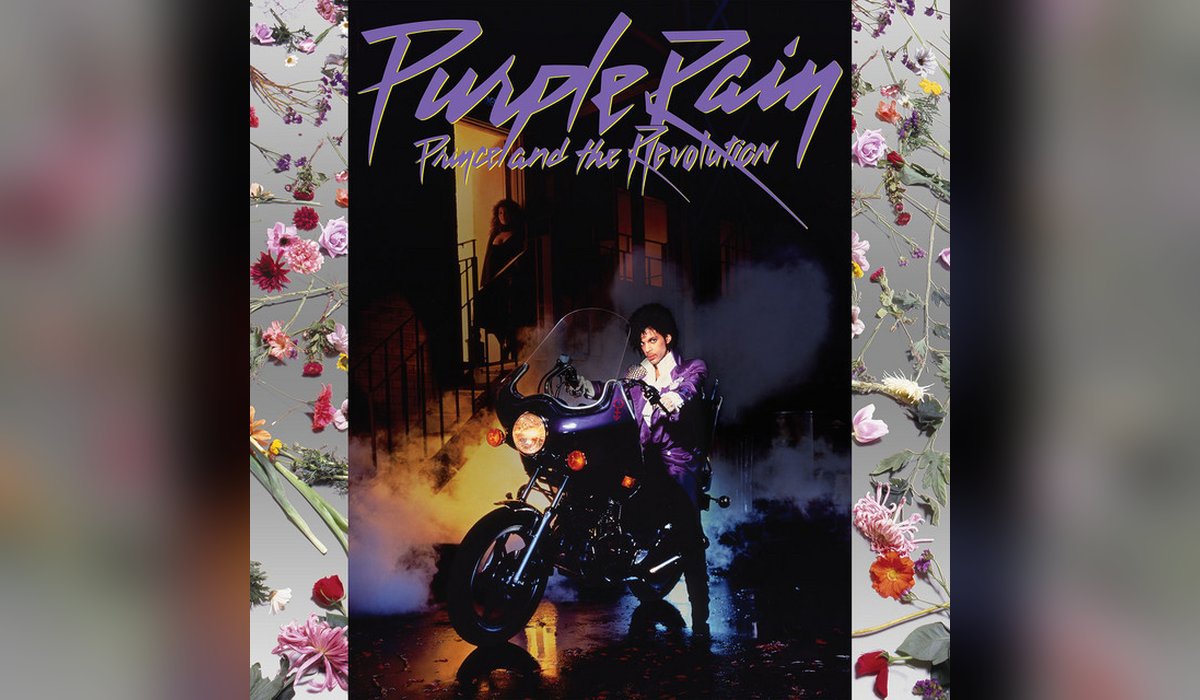
In December 1984 Tipper Gore bought Purple Rain for her eleven-year-old daughter, Karenna. Gore wrote later that the vulgar lyrics embarrassed both of them. In 1985 the Parents Music Resource Center put Darling Nikki at number one on the Filthy Fifteen, ahead of Sheena Easton’s Sugar Walls, which Prince had written under the name Alexander Nevermind. The Senate hearing on 19 September 1985 heard Frank Zappa, Dee Snider and John Denver. Prince did not attend. In 1990 he told Neal Karlen at Rolling Stone that parents have a right to know what their children are listening to.
The song was never a single. It did not need one. Foo Fighters later cut it as straight hard rock, which tells you how the guitar was built. On the record it still closes the first side with a sermon you only get if you flip the tape. He went as far as the lyric would go, then put the church on the end, backwards, so you had to work for it.