




The Miseducation, then the long silence
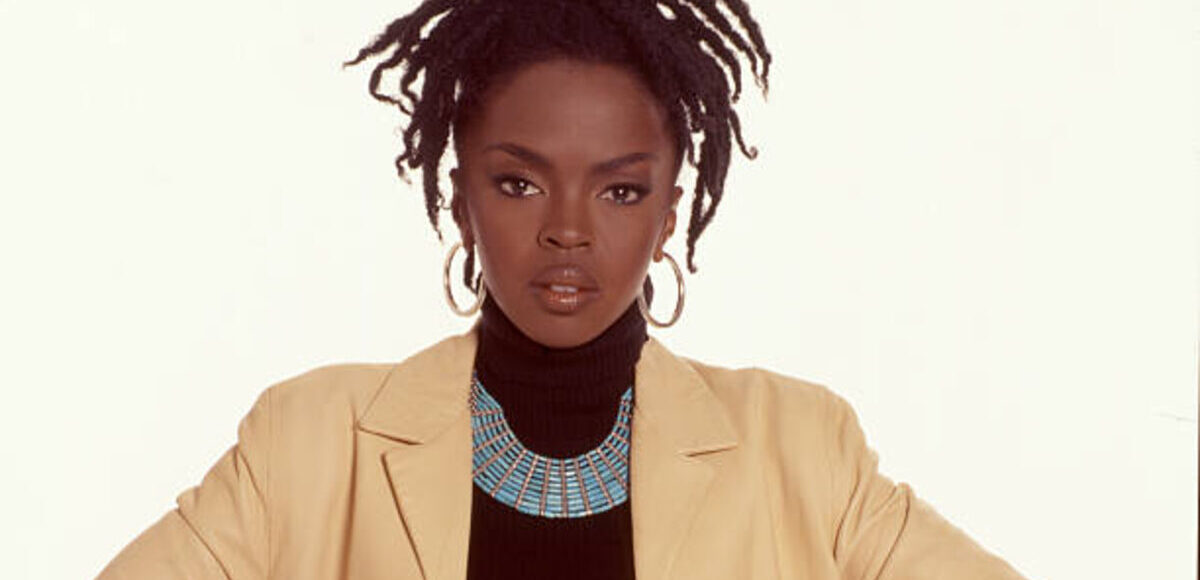
In the summer of 1998 Lauryn Hill put a whole argument on one record and then, mostly, stepped back. The Miseducation of Lauryn Hill does not sound like a solo debut hedging its bets. It sounds like someone who had already sung the hooks radio wanted inside the Fugees and had decided the next document would hold the hooks, the rebuke, and the Sunday lesson in the same track list. Born Lauryn Noelle Hill in South Orange, New Jersey, on 26 May 1975, she had acted, rapped, and on The Score in 1996 made Killing Me Softly and Ready or Not feel like summer air in every car.
The Fugees path explains the confidence. Blunted on Reality in 1994, with Wyclef Jean and Pras Michel, did not announce a phenomenon. The Score did, two years later, and her verses on Nas’s If I Ruled the World showed a rapper who could enter a track without copying that track’s mood. By twenty-three she stood at the center of hip-hop’s biggest prize conversation before the prize arrived.
Released on 25 August 1998, Miseducation is built like a school day. Between songs, children talk about love, a framing device that could have been cute and is not, because the songs around it are specific. Doo Wop (That Thing) scolds and swings in the same bar. Ex-Factor is a farewell that will not leave. To Zion addresses her son and the career advice that said a baby would ruin the plan. Lost Ones is the rap record, clipped and personal. She produced most of it herself with a band instead of a pile of loops, though samples were there and would later be argued in court. The gospel chord and the hip-hop beat sit together in the arrangement.
The 1999 Grammys gave the album five awards, including Album of the Year, from ten nominations. The night confirmed what the songs already showed: a woman could stand at the center of that awards night and sound, on the record, as if she had not asked permission. Then the center emptied. MTV Unplugged No. 2.0 in 2002 is the opposite of a victory lap: throat raw, guitar barely tuned, new songs that indict the industry, the image, and her own previous certainty. Some listeners heard breakdown. The tape shows a singer refusing the smooth version of a voice that had been too useful to other people.
What followed was not a second Miseducation and was never convincingly explained as laziness. Tours, a Fugees reunion that frayed, lawsuits, long silences, and nights when she arrived late or not at all sat beside nights when an older voice still opened Ex-Factor and the room behaved as if the song had been waiting. She has spoken about pressure, faith, and wanting the work to mean more than a singles cycle. The catalogue stayed short on purpose, or by damage, or both. The shortness is part of how it is heard now.
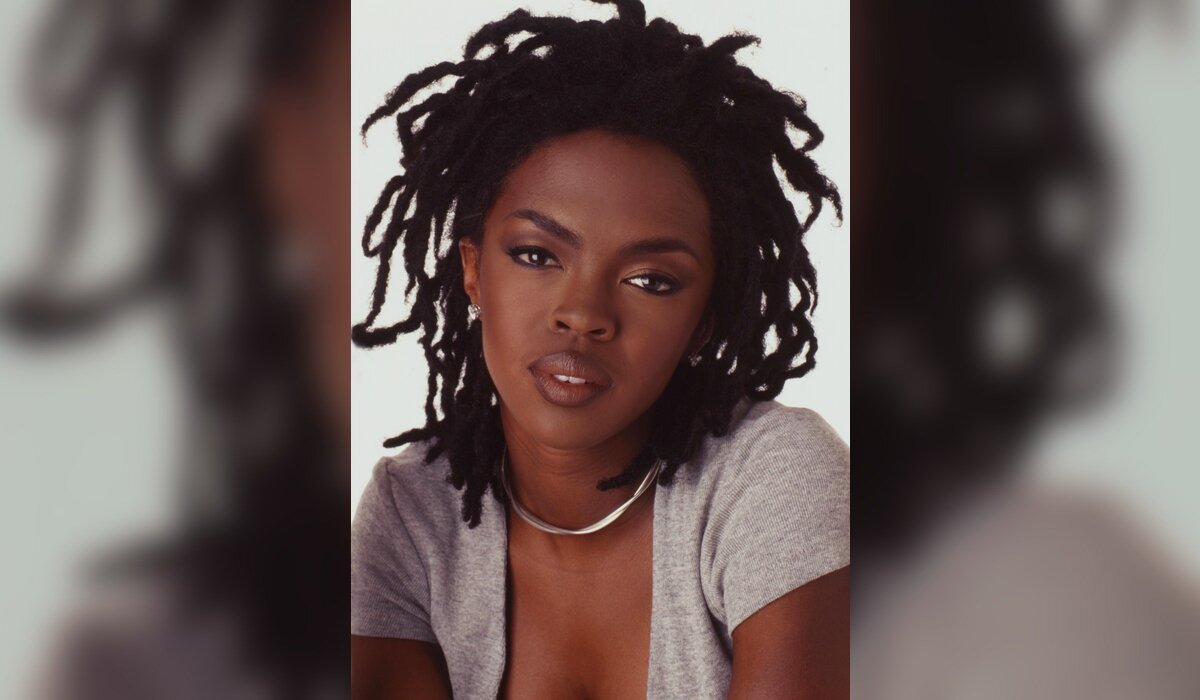
Influences sit in the blend rather than on a badge: gospel harmony, a reggae rhythm from the Caribbean side of her family, the cadence of 1990s hip-hop, and the Fugees habit of turning a cover or sample into a new argument. Compared with peers who separated rap and singing into different albums, she kept both in the same breath.
Sonically, listen for live drums under long vocal runs, bass that walks like soul records, and vocals that can preach in one line and gossip in the next. The classroom skits keep the production human-scale. The disputes over session credits later remind you that a finished-sounding record is also a room full of people; she stood in the middle young, certain, and already planning, perhaps, the exit.
Entry points stay clear. The Miseducation for the full 1998 statement. Unplugged 2.0 for the rough confession after the crown. The Score for the group context. Add Doo Wop (That Thing), Ex-Factor, and Ready or Not and you hear the arc from chart hook carrier to solo author to reluctant icon.
Beside Mary J. Blige’s confessionals or Erykah Badu’s cosmic soul, Hill shares R&B warmth but keeps a rapper’s edge in the same verse. Beside later singers who rap, write and produce, she remains the case people cite both ways: one finished album, then the years of being asked to repeat it.
Younger singers took the blend, the long vocal runs over a breakbeat, the right to scold inside a love song, and rarely took the cost. Put on Doo Wop (That Thing) or Ex-Factor and the 1998 record still shows the method: finish the thought, let the sample carry the sermon, and keep that demand inside the song.

Alex | 10 October 2026
|
I needed this reminder to revisit the deep catalog. Might be recency bias but I do not care today.
Hélène | 10 October 2026
|
I came for the hits, stayed for the odd tracks. This profile gets both. Coffee got cold while I finished the article. Acceptable.
François | 11 October 2026
|
Short: Lauryn Hill still sounds human when everyone else polishes too hard. Also the comments section on old forums was wild about this.
Elena N. | 12 October 2026
|
Controversial take but peak Lauryn Hill clears half the playlist filler out there. Ok bye.
Ivan | 13 October 2026
|
Put headphones on for the quiet songs. Laptop misses the breath. Also the comments section on old forums was wild about this.
Anne | 14 October 2026
|
Not every album is equal. The peaks though… unfair. I told my coworker and they shrugged. Their loss. Anyway.
Priya | 14 October 2026
|
That voice on record still stops me mid-scroll. Coffee got cold while I finished the article. Acceptable.
Mike B. | 14 October 2026
|
Live, Lauryn Hill is another animal. Studio still matters though. Sharing this in the group chat. Expect chaos.
Théo | 15 October 2026
|
Underrated writer too, not just a voice. Article shows it. Also the comments section on old forums was wild about this.
Emma | 16 October 2026
|
I argue with people who only know one era of Lauryn Hill. Send them this.