
Virgin, 2001: disco filters, vocoders, Interstella 5555
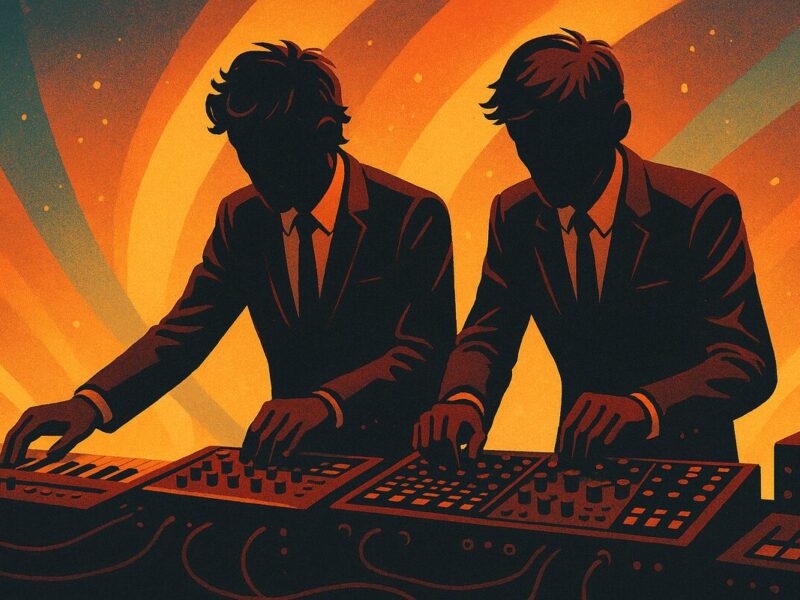
Discovery arrived in 2001 as Thomas Bangalter and Guy-Manuel de Homem-Christo’s second album, a clear turn after the club grit of Homework. The brief shifted toward pop hooks, childhood TV memory, and warm analog gear. Synths carry melody as much as rhythm; drum machines stay punchy; filtered disco samples sit in the foreground. The record is built to move bodies and to stick in the head, not to pose as cool distance.
Sessions started across Paris bedrooms and studios. Influences ran through disco, glam, Chicago house, French touch, and Japanese animation. They favored vocoders and older analog units for warmth over clinical precision. “One More Time,” with Romanthony’s vocal and filtered brass stabs, became the global entry point: instantly recognizable, built for radio and clubs at once.
Reinvention sits under most tracks. “Digital Love” climbs on a processed guitar sample while vocodered lines talk longing and distance in plain language. “Harder, Better, Faster, Stronger” turns chopped vocal loops into the main instrument; Kanye West later lifted its spine for “Stronger,” pushing the duo into a new generation of hip-hop listeners. Cross-genre reach was not a marketing slide; it was baked into how the stems were built.
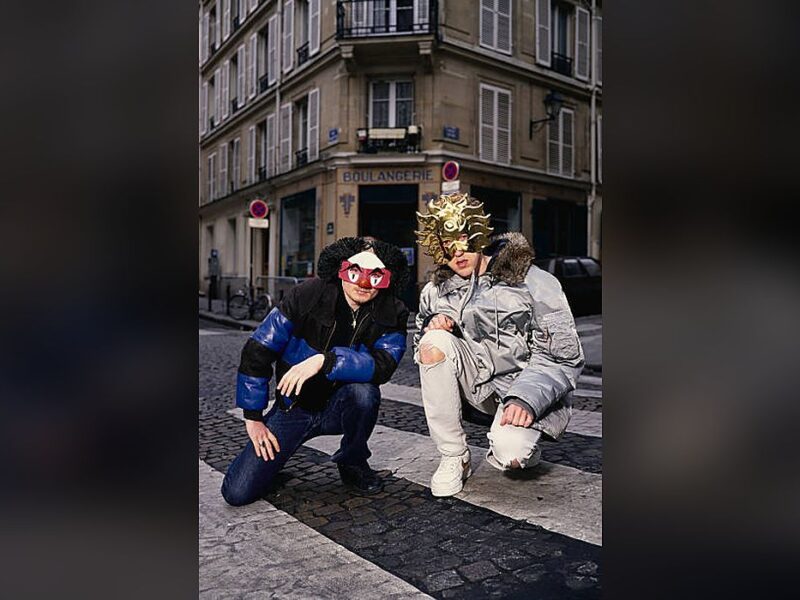
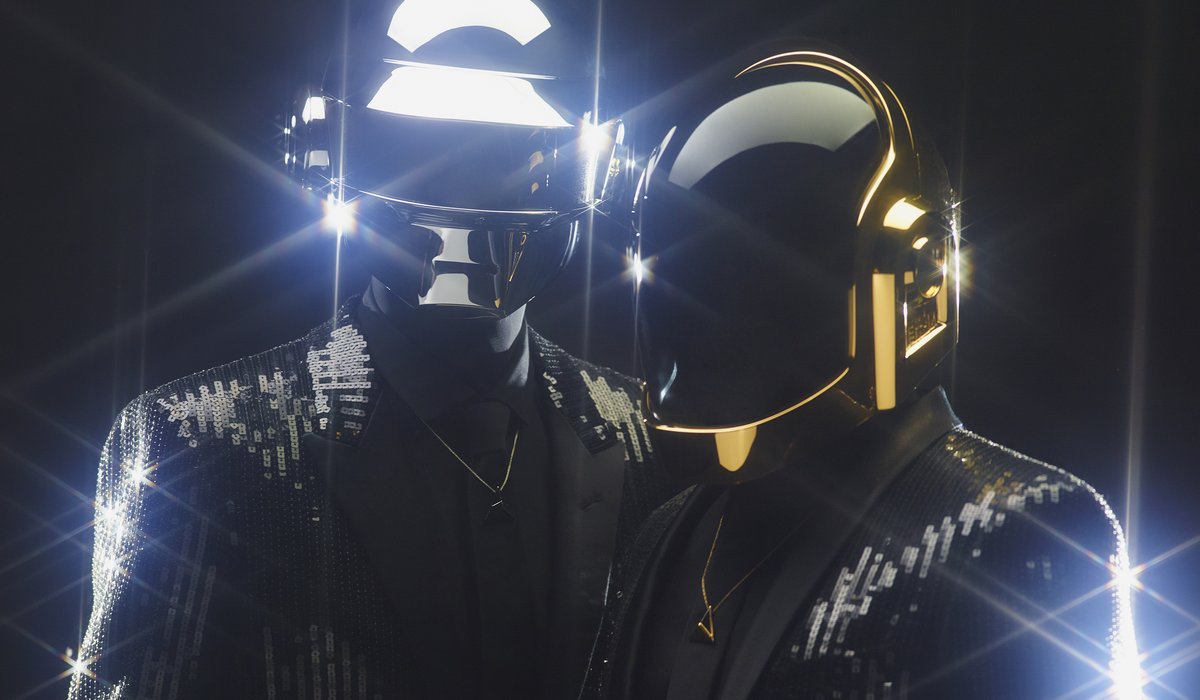
The visual side mattered as much as the mix. Interstella 5555, the anime feature directed with Leiji Matsumoto’s world in view, used the album as its score chapter by chapter. Robot helmets were not mere costumes; they were a deliberate brand choice that put mystery ahead of celebrity faces. Few electronic albums of the period tied picture and sequence that tightly.
Discovery is a towering, persuasive tour de force that transcends the dance label with no shortage of ideas, humour, or brilliance.
(Q Magazine, 2001)
“Something About Us” slows to jazz-tinged chords and a near-whisper vocal. “Face to Face,” built with Todd Edwards, stacks sample fragments until chopped voices read like confessions. Across the album, synth lines and drum patterns feel placed with intent. The record invites you in, then hands over the pulse; it does not bully the listener with drops alone.
Cultural aftershocks are easy to name. Softened electro-pop, warmer club records, and artists from Justice to Porter Robinson to The Weeknd have cited the Discovery shine. Live, the 2006 pyramid stage made the album’s aesthetic physical: lights, geometry, and those helmets as architecture. Rhythm became a light show without dumping the songs.
Discovery still works as emotion plus engineering. It was never chained to one chart season. Machines carry pleasure and melody here without apology. Daft Punk did not only ship a dance album; they opened a lane that later acts kept driving through, from radio singles to festival main stages.