
Guitar quiet on purpose
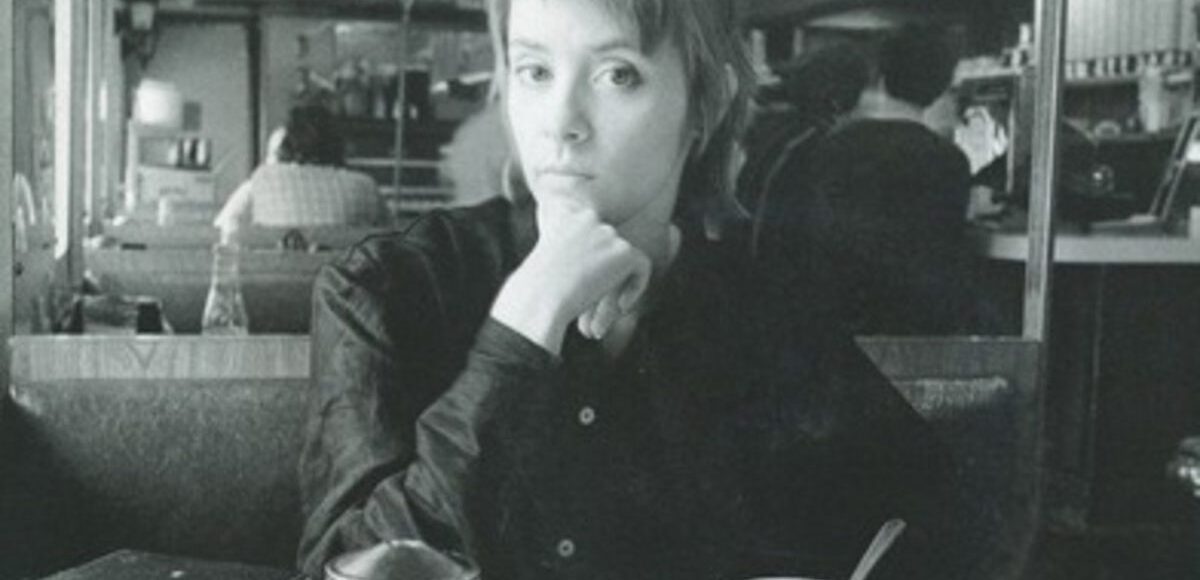
The guitar is quiet on purpose. Nothing in Luka raises its volume, which is how the song gets past the first listen. Suzanne Vega sings as a child introducing himself to the neighbor downstairs: name, floor, the hope that you have seen him before. The melody could pass for pleasant. That is the trap. By the time he asks you not to ask about the noise, the politeness has done what a shout would ruin.
She built the character in New York in the mid-eighties, half a block from the Chelsea Hotel, at Eighth Avenue and 23rd Street. A boy of about nine was waiting for the elevator. She asked his name. He said Luka, unconcerned, and that was nearly their whole acquaintance. Vega had already been circling a song about child abuse, emboldened by Lou Reed’s Berlin, unsure how to say what the child cannot say. The name fit. She has been clear since that the boy upstairs was not abused. He lent a name and a stance. The rest she wrote like a short play: Luka, the neighbor, the listener, drafted in about two hours on a Sunday once the angle locked.
The released version sits on Solitude Standing in 1987, produced by Lenny Kaye and Steve Addabbo, tightened for radio without sanding off the refusal. Her manager, Ron Fierstein, had heard an earlier take at a 1984 soundcheck and asked if it was what he thought. It was. He thought the decade needed issue songs. Vega thought he was joking. The single reached No. 3 on the Billboard Hot 100. Listeners who had looked puzzled in clubs now heard it between brighter records, and the unease did not leave. That was the craft: the problem is stated by never being named.
This was written on Eighth Avenue and 23rd Street, half a block away from the Chelsea Hotel. Unlike the song, he was not an abused child, just a kid I knew from the neighborhood.
(Suzanne Vega, New York Post, 2014)

For years the public story stopped at the neighbor and the boy. Vega later said she chose a character because she was still afraid, still inside her family circle, and needed a voice that was not required to be hers. The song protected two things at once: his invented silence and hers, unspoken. When she finally claimed the nearer wound in interviews years later, the record did not need rewriting. It had been built to hold that gap.
What remains is the courtesy. Luka never becomes an anthem and never tells you what to do with the noise upstairs. It only introduces the person who will lie about the door. The guitar stays quiet. The name, borrowed from a kid who wanted his magazines, traveled farther than anyone in that elevator could have guessed.