
Edge delay, near-erased intro, Joshua Tree
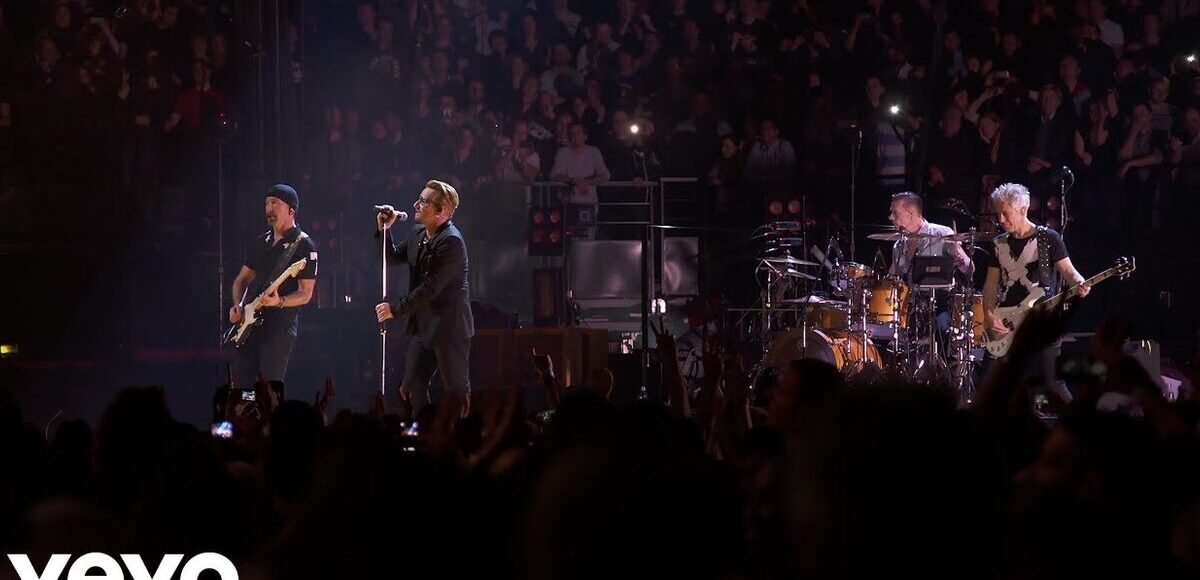
Where the Streets Have No Name opens on The Edge’s delay-layered guitar, a repeating figure that scaffolds the whole track before Larry Mullen Jr.’s urgent drums and Adam Clayton’s steady bass enter. Bono’s vocal arrives with lift and longing. Brian Eno, producing with Daniel Lanois around The Joshua Tree (1987), grew so impatient with the intro’s difficulty that he nearly erased the tape to force a restart. The band kept the architecture. Parts lock with precision once the full arrangement lands.
Bono told Propaganda the song was more like older U2: a sketch of a location, spiritual or romantic, more than a plot. Desert America and the band’s Hollywood Hills sessions fed the album’s contradictions. Onstage the track became a lights-up ritual; the rooftop BBC performance later sealed the visual myth. Radio took the climb from quiet guitar bed to full-band surge as ready-made drama without needing a spoken intro.
Guitarists still learn the delay timing as homework. Producers still cite the intro as a case study in patience versus scrap-the-tape panic. For U2 it marked arena-scale clarity: Irish band writing toward American wide space with European art-rock discipline in the effects chain. The single’s chart life mattered; the live life mattered more. Decades of tours have not retired the opening figure.
Where The Streets Have No Name is more like the U2 of old than any of the other songs on the LP, because it’s a sketch. I was just trying to sketch a location, maybe a spiritual location, maybe a romantic location.
(Bono, Propaganda magazine, 1987)
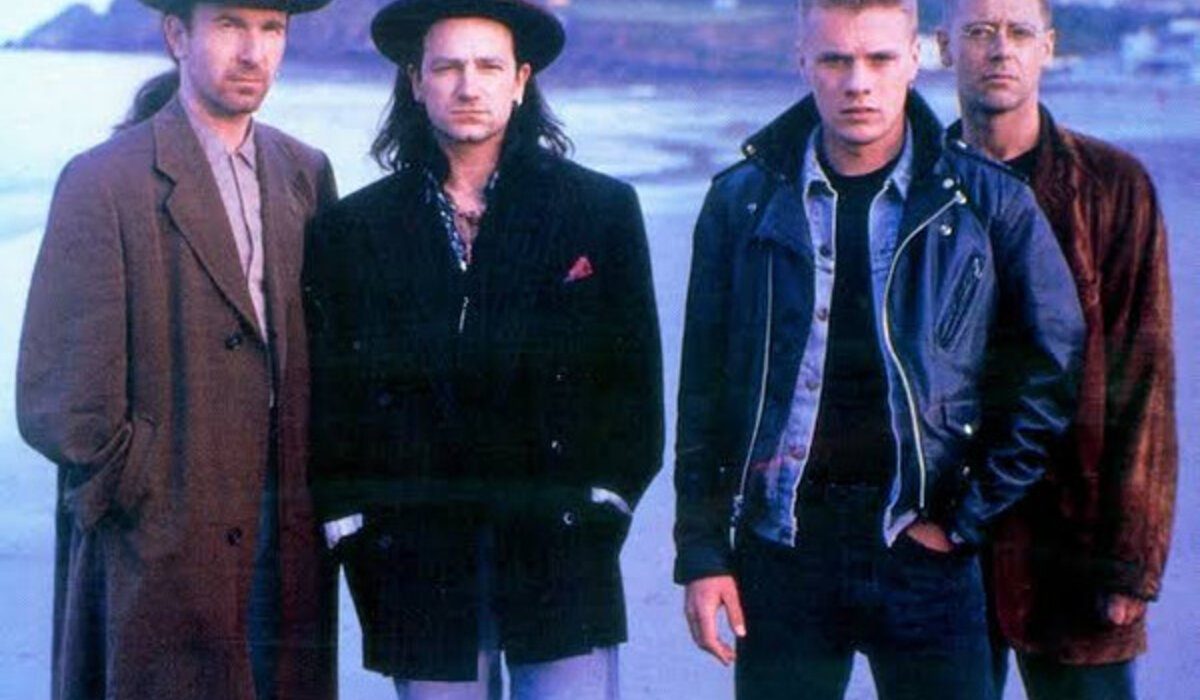
Put it beside other Joshua Tree singles and you hear the band’s wide-lens mode without the gospel shout of “I Still Haven’t Found…” or the blunt grind of “Bullet the Blue Sky.” Location sketching, as Bono said. Edge’s dotted delay, Mullen’s snare, Clayton’s floor: named parts, named producers, named album year.
That inventory is the elevation people still cue when a stadium needs doors-open music with a serial number.
Lanois and Eno’s production ethos on The Joshua Tree prized atmosphere and take tension; the Streets intro became the famous stress test of that method. Edge’s dotted-eighth delay timing is now guitar-lesson canon, which can make the part seem easy until a band tries to enter together live. Mullen’s snare and Clayton’s bass solve the entrance; Bono’s vocal solves the skyline. American tour routing and desert photo shoots sold the wide-open brand while the song itself stayed a sketch, as Bono told Propaganda.
Rooftop and stadium versions multiplied the myth without changing the studio blueprint. Radio edits sometimes trimmed air; serious listeners go back to the album climb. For U2, it is doors-open music with a serial number. For delay pedal shoppers, it is the demo. For producers, it is the parable about almost erasing the best idea in the room. Keep those three uses and the “elevation” talk finally has objects attached.