

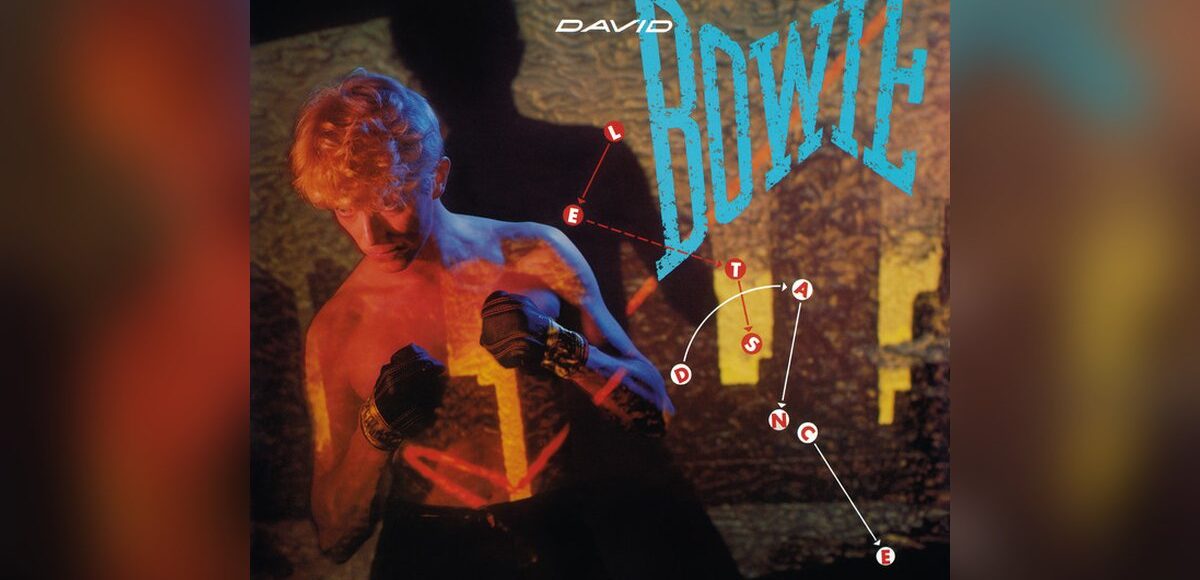
EMI America, Rodgers, Serious Moonlight
In 1983 EMI America released Let’s Dance, David Bowie’s commercial peak with Nile Rodgers producing and a young Stevie Ray Vaughan on lead guitar. The Power Station sessions in New York aimed at dance-floor clarity: dry drums, bright horns, and vocals placed for radio. Bowie arrived with demos; Rodgers rebuilt grooves until the choruses hit like club records without dumping the songs. Omar Hakim, Carmine Rojas, and a tight horn section locked the pocket.
The title track opens with a snare crack and a bass line built for movement, then Vaughan’s blues breaks cut across the mix. «China Girl,» co-written earlier with Iggy Pop for The Idiot era material, tightens into a hit single with a David Mallet video that used Australian locations and sparked censorship debate over its beach imagery. «Modern Love» runs on piano stabs and a gospel-tinged backing vocal; it became a staple of the Serious Moonlight tour and a reliable radio opener.
«Without You,» «Ricochet,» «Criminal World,» and «Cat People (Putting Out Fire)» fill the middle with funk rhythm guitar and sharper edges. The Cat People track revisits the Giorgio Moroder collaboration in a Rodgers frame. «Shake It» closes the original sequence in the same dance architecture. Across the album, Chic discipline meets Bowie’s pop writing: less Berlin abstraction, more chart architecture, still with guitar solos that refuse to sound like session wallpaper.
David wanted a hit. He said, ‘Nile, I want you to make hits.’
(Nile Rodgers on the Let’s Dance brief)

The numbers matched the brief. Let’s Dance topped charts in the UK and reached No. 4 on the Billboard 200; the title single hit No. 1 in the US. «China Girl» and «Modern Love» followed into the upper reaches of the singles charts. The Serious Moonlight tour sold stadiums with a blonde, suited Bowie and a large band. For a stretch he was a global pop headliner again, not only a cult art-rock name.
Later he would push back against repeating the formula on Tonight and Never Let Me Down, records that chased the same scale with thinner songs. The 1983 album still works as engineering and song craft. Rodgers’ arrangements, Vaughan’s leads, and three singles that still open radio hours explain why Let’s Dance remains the doorway album for many listeners.
It is Bowie choosing scale on purpose, and landing it. Put the title track next to a Berlin instrumental and you hear the career’s range without needing a mythology lecture.