




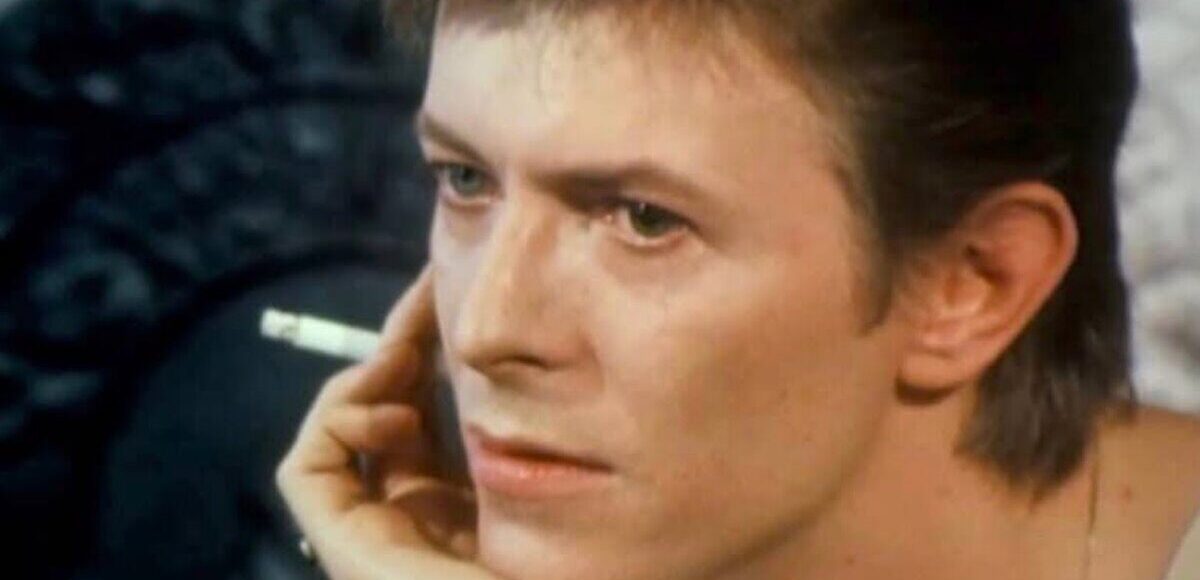
Château d’Hérouville to Hansa: a direct proposal on Low
On Low, released in January 1977, Be My Wife sits among the short, dry rock songs of side one, before the instrumental half begins. David Bowie writes a direct plea: share my life, stay with me, be my wife. The arrangement stays tight. Carlos Alomar, George Murray and Dennis Davis play a straight beat. Brian Eno’s textures stay in the margins. Tony Visconti produces a mix that leaves air around the vocal, so the request stays plain.
Sessions started at the Château d’Hérouville in France and moved on toward Berlin and Hansa. Bowie was leaving the cocaine years in Los Angeles and rebuilding a working band. The lyric names the loneliness without dressing it up. He lists places he has lived and left. The chorus asks for permanence in plain English. After the theatrical masks of Ziggy and the Station to Station period, the request sounds almost too ordinary to be a Bowie single. That plainness is what catches.
RCA issued Be My Wife as a UK single in June 1977, the first British 45 drawn from the Berlin trilogy period. The chart peak stalled around the low forties, but the promo film stuck. Bowie stands alone against a white void, suitcase at his feet, miming the guitar and the ask. No dancers, no city skyline. Just the request and the empty frame. Watch it once and the album cut looks less like a buried track. It looks like someone between cities who still wants a home.
The clipped beat is the main musical fact. The drums stay dry, the guitar stays functional, and the vocal sits forward without arena reverb. Compared with the ambient second side of Low, this is the plain human moment: a rock song that does not blow the feeling up into costume drama. Live, the track often kept that bare urgency. On later tours it could harden into a rock shout, or stay close to the album’s clipped beat. Either way, the chorus remains a marriage proposal from someone who does not trust permanence and still says the words. The white-void video, with the suitcase and the mime, turned a Low album cut into a proposal image that TV could loop. The Château d’Hérouville and Hansa sessions framed that clipped beat: dry drums, a functional guitar, vocal forward, no arena reverb.
Sometimes you get so lonely / Sometimes you get nowhere / I’ve lived all over the world / I’ve left every place.
(David Bowie, Be My Wife lyric)
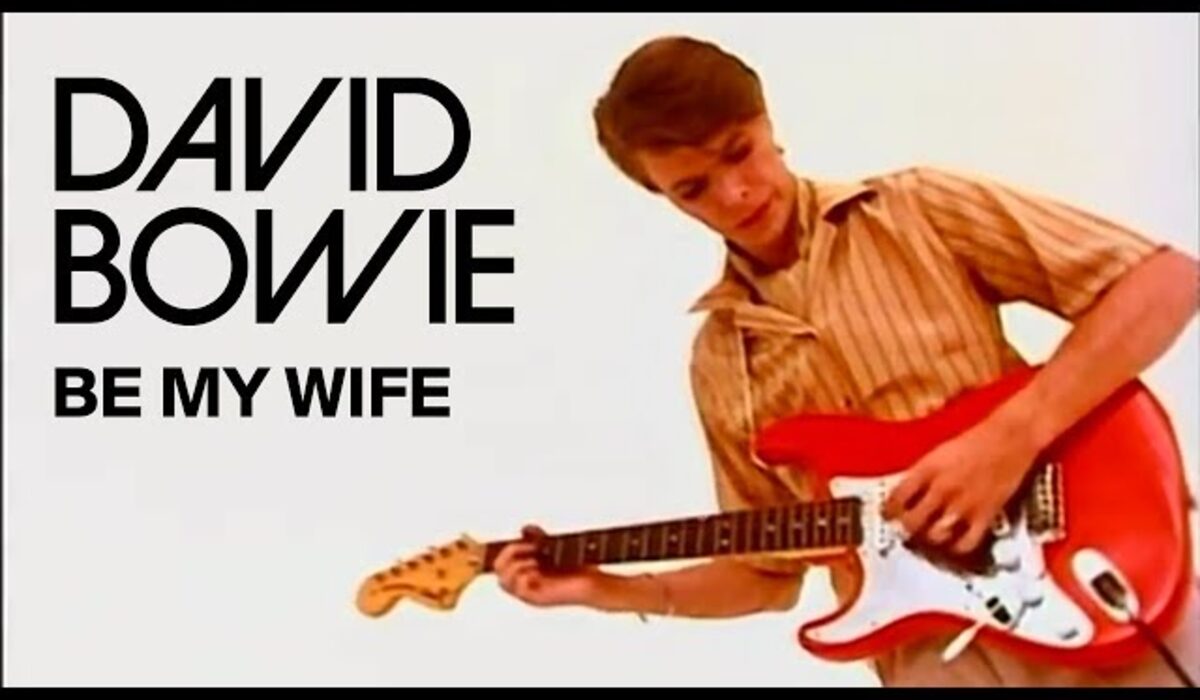
In the Low sequence, Be My Wife is the direct request before the instrumentals on the second side. The video’s white room and the suitcase still read clearly: a man between addresses, asking for a home the beat cannot guarantee. Fans who came for the ambient side often find how sharp the rock half is once this cut is played on its own.
The plain chorus and the empty frame around it are where to start. The song does not lean on Ziggy mythology. It uses the beat, the suitcase, and a voice that admits loneliness without turning it into theatre. That is how it still sits cleanly inside a trilogy remembered for landscape and experiment. Next to Low‘s ambient second side, this cut is the direct request, not another instrumental landscape.


Marie-Claire | 5 octubre 2026
|
Not my usual lane but Be My Wife got me. Fair enough.
Elena N. | 6 octubre 2026
|
I came for David Bowie, stayed for how clean this write-up is. Be My Wife hits different after reading. I told my coworker and they shrugged. Their loss.
Anne | 6 octubre 2026
|
Not overrated. If anything people forgot how tight Be My Wife is.
Tom Riff | 7 octubre 2026
|
I never knew that detail about the session. Changes how I hear the intro. Might be recency bias but I do not care today.
Mateo | 7 octubre 2026
|
I came for David Bowie, stayed for how clean this write-up is. Be My Wife hits different after reading. Ok bye.
Zoé | 8 octubre 2026
|
Short take: the groove on Be My Wife still feels unfair.
Fatima | 9 octubre 2026
|
I show Be My Wife to friends who say they hate that era. Works every time.
Chris | 9 octubre 2026
|
First time I heard Be My Wife was on a burned CD. Still got the scratches in my head. Sharing this in the group chat. Expect chaos. Good piece.
Chloé | 10 octubre 2026
|
solid chronicle. I forgot how sharp David Bowie sounded on this one. Also the comments section on old forums was wild about this.
Ray | 11 octubre 2026
|
Simple song, big feeling. Be My Wife still does that. Also the comments section on old forums was wild about this. Anyway.
Ben | 12 octubre 2026
|
I always skip to Be My Wife on the album. Guilty. Sharing this in the group chat. Expect chaos. Just saying.
Diego | 13 octubre 2026
|
Solid chronicle. I forgot how sharp David Bowie sounded on this one. Fight me.
Ivan | 14 octubre 2026
|
First time I heard Be My Wife was on a burned CD. Still got the scratches in my head.
Dan | 15 octubre 2026
|
I argued with my brother about Be My Wife for years. This is my exhibit A. Also the comments section on old forums was wild about this.
Jackie | 15 octubre 2026
|
People sleep on how weird Be My Wife actually is. This article gets it. Also the comments section on old forums was wild about this.