




Blue Note opens the vault, London flips Hancock
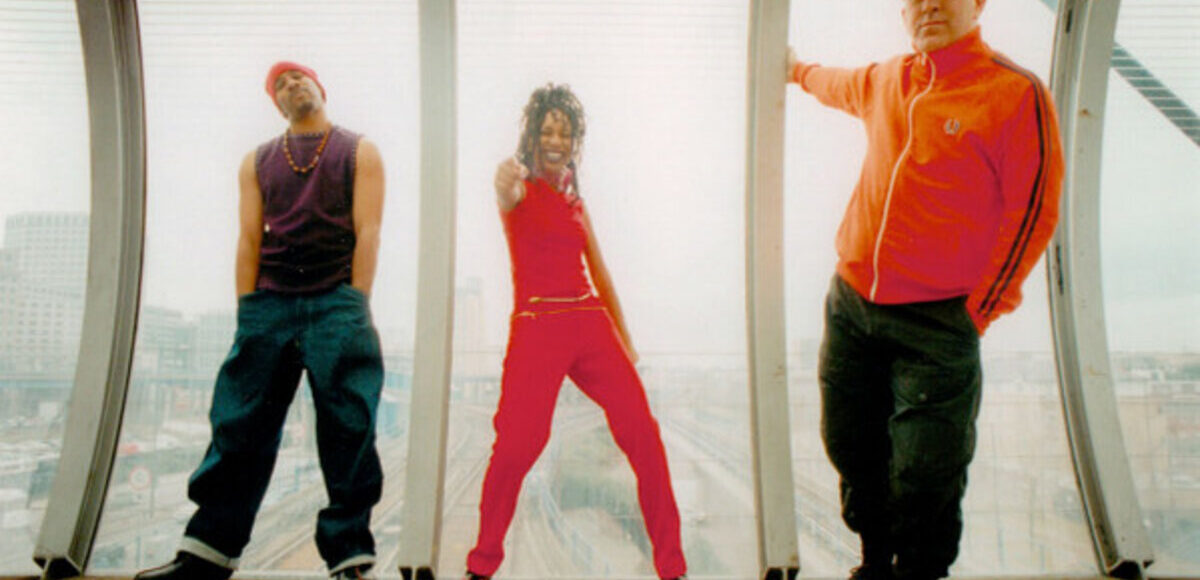
In October 1992, Blue Note released Cantaloop (Flip Fantasia) as the lead single for Us3, a London project led by Geoff Wilkinson and Mel Simpson. They had cut a demo around March 1992 at Flame Studios; the finished track kept that shape, with Rahsaan Kelly rewriting a third verse later. The bed is a loop of Herbie Hancock’s 1964 Blue Note classic Cantaloupe Island, cleared because the label itself held the master. New York rapper Rahsaan Kelly rides the loop; British trumpeter Gerard Presencer answers with bright, short lines that cut through the beat without crowding it.
Wilkinson and Simpson produced, programmed, sampled, and mixed. The intro lifts Pee Wee Marquette’s Birdland announcer patter from an old Blue Note live set. A Lou Donaldson vocal fragment («funky, funky») becomes a call European crowds still shout back. Kelly’s «diddy biddy bop» was a freestyle line from a two-inch tape take that Wilkinson and Simpson then sampled as an anti-chorus. Writers credited include Hancock, Kelly, Simpson, and Wilkinson. What you hear is jazz harmony under a clear hip-hop beat: warm piano loop, steady drums, trumpet on top, and a rap that stays light and playful rather than hard.
The single struggled in Britain at first. After Capitol re-serviced it in the United States in 1993, it climbed to No. 9 on the Billboard Hot 100 and No. 7 on Cash Box, reached No. 21 on Hot R&B, and earned RIAA gold on 25 March 1994 for more than 500,000 copies. A UK reissue then peaked at No. 23. Charles Wittenmeier directed the orange-backdrop video that MTV put in Buzz Bin and that later won Best New Artist Dance Clip at the 1994 Billboard Music Video Awards. The parent album Hand On The Torch, issued in November 1993, became Blue Note’s first platinum album in the United States.
What’s that? Diddy biddy bop.
(Rahsaan Kelly / Us3, lyric from Cantaloop (Flip Fantasia))
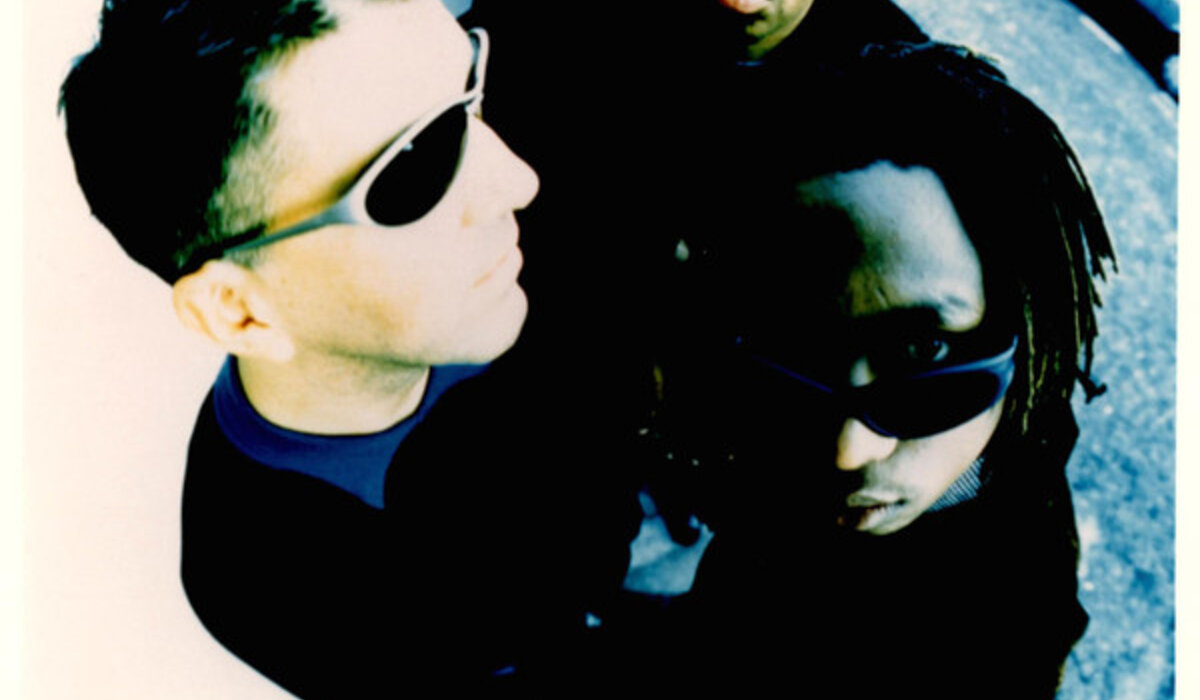
For Blue Note, the hit proved a jazz catalogue could speak to 1990s radio without burying the source. Wilkinson later recalled label staff pointing at empty wall space reserved for the first platinum disc. The album also fed remix culture: Nellee Hooper cut an edit that sat on UK singles beside the radio version. Us3 never matched that U.S. Hot 100 peak again, but the single still marks the moment Blue Note crossed into mainstream pop charts through sampling done with the label’s own vault rather than against it.
Start with the album cut on Hand On The Torch. The full arrangement, Marquette intro, and Presencer’s trumpet entries show why a Hancock loop, a London studio, and one freestyle hook were enough to open Blue Note to a new audience.

Lina | 14 octubre 2026
|
Guay. Ahora quiero las caras B alrededor de Cantaloop (Flip Fantasia).
Marie-Claire | 14 octubre 2026
|
Sigo poniendo Cantaloop (Flip Fantasia) cuando necesito reset. No envejece. Se lo dije a un compañero y se encogió. Su pérdida.
Hélène | 15 octubre 2026
|
Leí esto y luego Cantaloop (Flip Fantasia) a volumen alto. Buen plan.
Sofi | 15 octubre 2026
|
Mi padre ponía Us3 en el coche. Cantaloop (Flip Fantasia) es mi trayecto de infancia. Se lo dije a un compañero y se encogió. Su pérdida.
Elena N. | 16 octubre 2026
|
Es el tema que uso para probar altavoces. Us3 no miente. El café se enfrió mientras terminaba. Aceptable.