Sunset Boulevard to Le Niel’s: a 1959 riff that filled a Paris floor
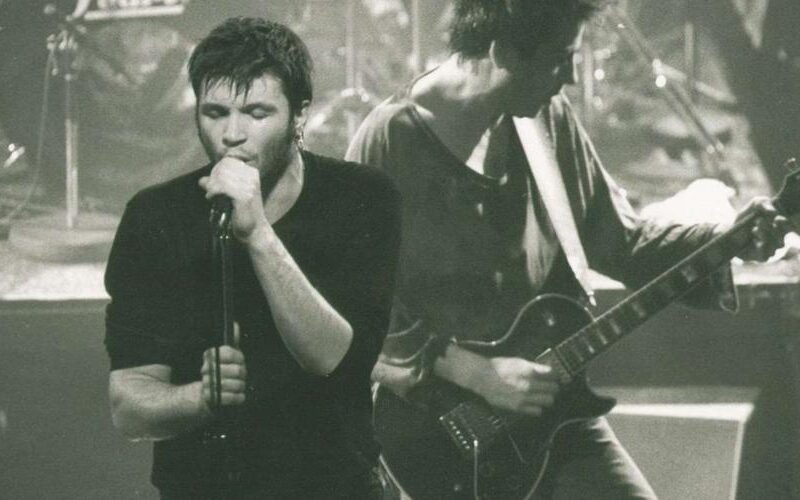
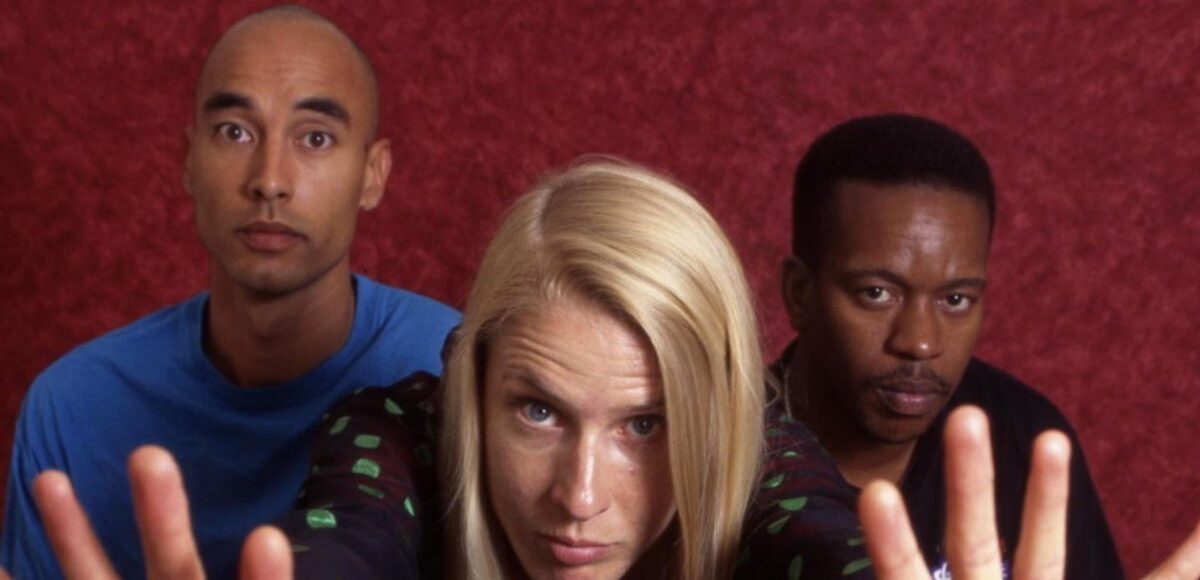
Chan Romero wrote Hippy Hippy Shake in 1959. The Beatles played it on the BBC. The Swinging Blue Jeans took their version to No. 2 on the UK singles chart in 1964. Big Soul’s cut, track eight of their self-titled 1995 album, keeps the riff and puts a faster backbeat under it. Caroline Wampole sings and plays bass. Kelleth Chinn plays guitar. Drums on the band’s early run passed from Adam Newman to Dean Jenkins. The trio had been playing California clubs from Los Angeles to San Francisco since the late 1980s and pressing their own records when majors would not call back. The song still moves because that backbeat refuses museum pace.
The album, simply called Big Soul, came out in 1995 on Rolling Jack, thirteen songs, a little over forty minutes. Hippy Hippy Shake runs about 2 minutes 50, between Give It Up and Le Brio. The single followed in 1996. The path into France is a suitcase story the band’s biography has repeated ever since: during a show on Sunset Boulevard, a French listener bought the self-pressed disc and carried it home. In Paris, Jacques, a DJ at the club Le Niel’s, played Hippy Hippy Shake until the floor filled. He could not reach the group, so he took the album to Sony. Sony found them and signed them. America had the band. France had the hit. That handoff from suitcase to dancefloor is the whole origin myth, and it checks out.
The arrangement is not a museum copy of Romero or the Blue Jeans. The guitar is bright and short, the bass walks, and the drums leave holes instead of filling every bar. Samples and a funk edge sit under the rock riff, which is how Big Soul worked on the rest of the debut too: Sweet Thang, Funky Caroline, Sister California. The other French calling card on the same album is Le Brio (Branchez la guitare), sung partly in French, a joke and a chart record at once. Hippy Hippy Shake did the dancefloor job. Le Brio did the radio job. Together they made a California trio sound, for a couple of summers, like a French release you could not keep off the speakers.
Chan Romero wrote Hippy Hippy Shake in 1959. The Swinging Blue Jeans took it to No. 2 in Britain in 1964. Big Soul’s 1995 version kept the riff, sped the backbeat up, and let a Paris club do the rest.
(Romero single, 1959; UK Singles Chart, 1964; Big Soul album, 1995)
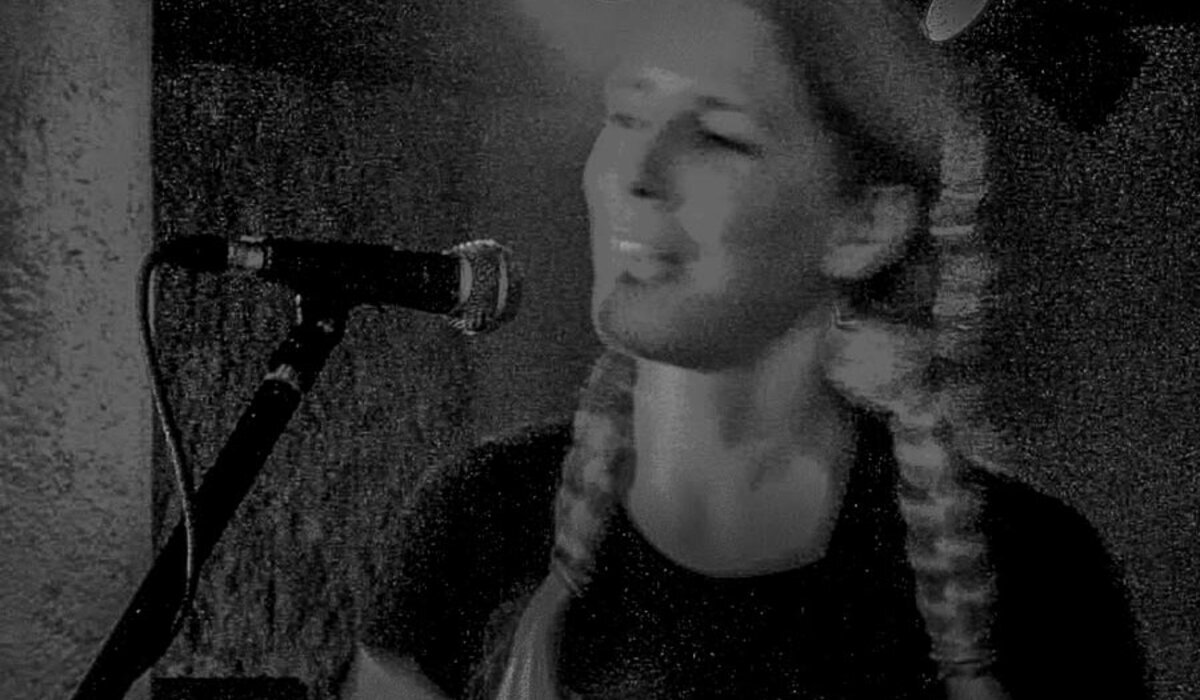
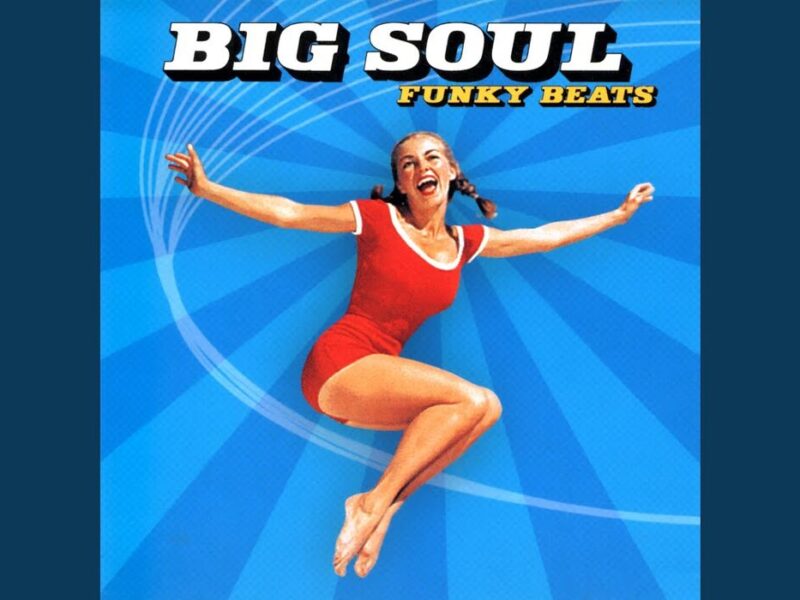
The clip that followed is simple: the trio, the riff, a lot of motion. French video channels and daytime radio took both Hippy Hippy Shake and Le Brio. Tours put California accents on French stages, with the choruses shouted back. Love Crazy arrived in 1997, with Julene and a wider palette, still built on the same rhythm section. Later came soundtrack work for Hors Service (2001) and the compilation-style Funky Beats (2002). The debut is the one people still pull out when they want the first shock.
Play the Romero original, then the Blue Jeans single, then Big Soul. The chord shape barely moves. The room does. A self-pressed California disc became a French club record because one DJ in Paris would not let the riff sit in a suitcase. That is the whole story, and it is enough to put the 1995 cut back on and hear why the floor filled.