




Sausalito Rhodes sketch, only US No. 1
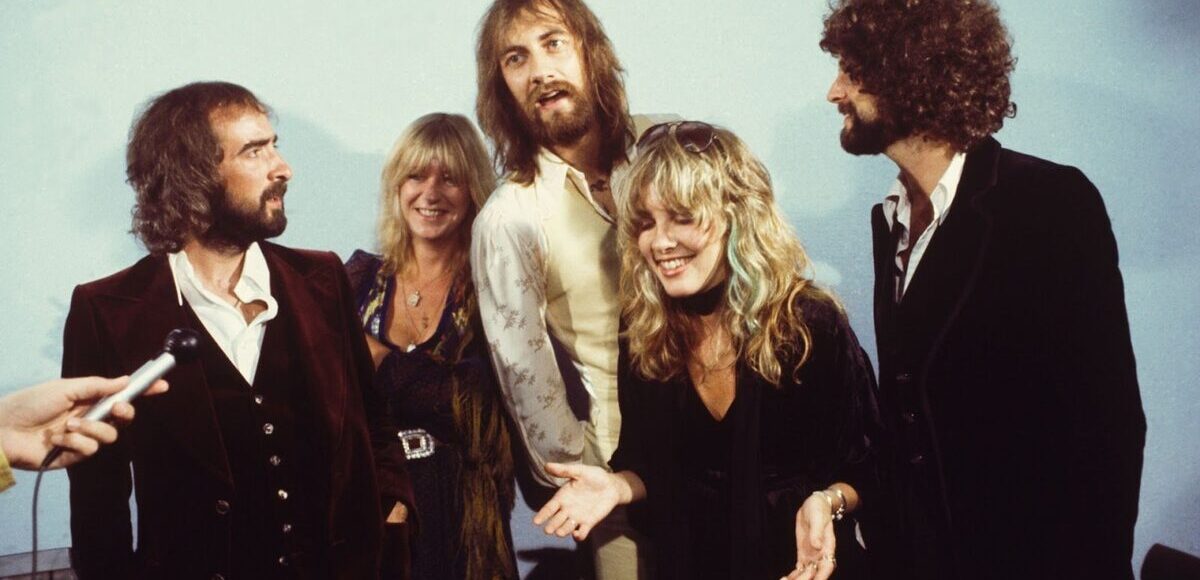
During the 1976 Rumours sessions at the Record Plant in Sausalito, Stevie Nicks stepped into a side room once used by Sly Stone, sat with a Fender Rhodes and a cassette machine, and wrote Dreams in about ten minutes over a simple drum pattern. She handed the rough vocal-and-piano tape to Lindsey Buckingham. Ken Caillat and Richard Dashut produced the album with the band for Warner Bros. Mick Fleetwood’s drums and John McVie’s bass hold a wide, steady path; Buckingham shapes the guitar answers; Christine McVie adds keys and, later, vibraphone hits with delay on the pre-chorus. Nicks sings without raising the temperature. The lyric answers Buckingham’s sharper Go Your Own Way from the same fractured year.
Christine McVie later credited Buckingham with turning one set of chords into three sections that feel different. Fleetwood looped an eight-bar drum idea to keep the hypnotic feel; tom accents enter around the forty-eight-second mark, and congas sit quietly under the « thunder only happens when it’s raining » line. Three-part harmonies from Buckingham, Nicks, and Christine McVie were doubled for a fuller chorus. Basic tracks began in Sausalito; guitars and bass work continued in Los Angeles. What you hear is calm surface and private weather underneath: clean guitar lines, soft keys, and a vocal that warns more than it shouts.
Rumours arrived in February 1977. Warner Bros. issued Dreams as the second single in March. It reached No. 1 on the Billboard Hot 100 for the week of 18 June 1977, Fleetwood Mac’s only US chart-topper, and also topped Canada’s RPM singles list. The single sold more than a million copies in the United States. The album went on to diamond status and tens of millions of sales worldwide. Decades later the original recording returned to streaming charts after a viral TikTok dance, proof the 1977 mix still carries.
Thunder only happens when it’s raining / Players only love you when they’re playing.
(Stevie Nicks, lyric from Dreams, 1977)
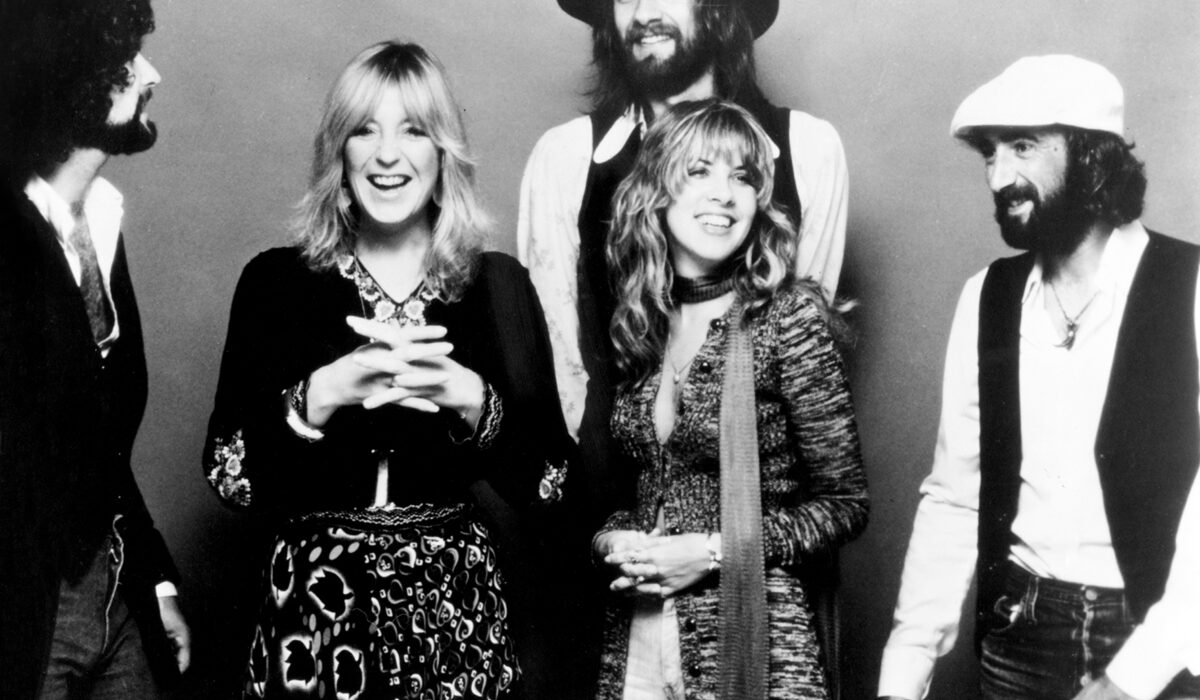
Beside Go Your Own Way, Don’t Stop, and The Chain, this single is the quiet centre of Rumours: the same studio pressure turned into a soft radio hit. Buckingham’s arrangement and Nicks’s cassette sketch remain the twin engines.
Play the 1977 Warner Bros. album track, not a later remaster first. The Record Plant drum loop and Nicks’s vocal explain why Dreams is still the band’s one American No. 1.



Sam W. | 10 octobre 2026
|
J’ai ouvert l’article et j’avais déjà le riff dans la tête. Classique.
Léa | 11 octobre 2026
|
Je connaissais pas ce détail de session. Ça change l’intro dans ma tête. J’en avais besoin.
Greg | 12 octobre 2026
|
Écouté Dreams mille fois. Là je me rappelle pourquoi ça m’a marqué. J’en avais besoin.
Nadia | 13 octobre 2026
|
Les lives de Dreams sont meilleurs non? Le studio gagne quand même pour moi. Les vieux forums étaient fous sur ce sujet.
Hélène | 13 octobre 2026
|
Les détails de prod m’ont fait remettre Dreams deux fois. Bien vu. J’en ai parlé à un collègue, il a haussé les épaules. Tant pis. Je suis biaisé et ok avec ça.
Lina | 14 octobre 2026
|
Pas mon genre d’habitude mais Dreams m’a eu. Ok. Bouton replay abusé.
Louise | 14 octobre 2026
|
Mon père passait Fleetwood Mac en voiture. Dreams c’est mon trajet d’enfance. Biais de fraîcheur possible, je m’en fiche aujourd’hui.
Yuki | 15 octobre 2026
|
Je connaissais pas ce détail de session. Ça change l’intro dans ma tête. Biais de fraîcheur possible, je m’en fiche aujourd’hui.
Olivier | 15 octobre 2026
|
La basse de Dreams porte tout le reste. Le reste c’est du décor. Plus de trucs comme ça.
Emma | 15 octobre 2026
|
Je zappe toujours jusqu’à Dreams sur l’album. Coupable. Bonne chronique.
Carmen | 16 octobre 2026
|
Version courte: le groove de Dreams est toujours injuste. Je suis biaisé et ok avec ça.