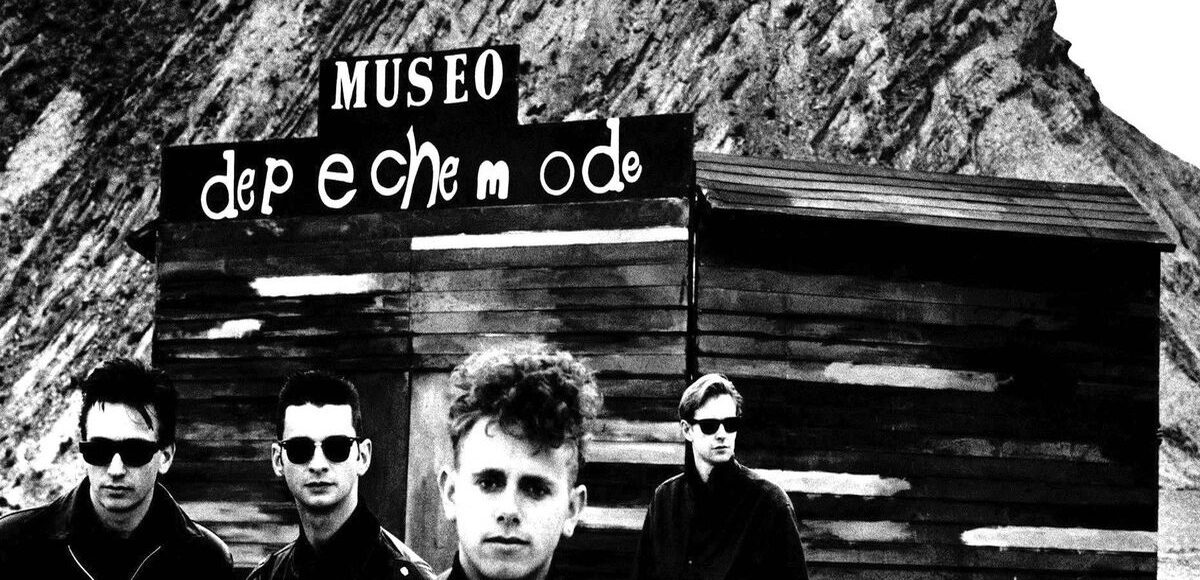
Westside London, Hansa Berlin: engine tick and rocket hiss
First week of November 1985, Westside Studios in London. Depeche Mode (Dave Gahan, Martin Gore, Alan Wilder, Andrew Fletcher) sit with Daniel Miller and Gareth Jones over a track that, for once, comes together without a fight. Stripped already has its spine: an industrial pulse, Gahan’s baritone riding low, a chorus that cuts the lyric to bone. The finished mix, completed at Hansa Mischraum in Berlin in early 1986, keeps that spareness. You hear the room before you hear the costume, and that honesty is why the single still feels physical.
The samples are homemade, and that is the pleasure of the record. Gore’s demo used an idling motorcycle; the album cut swaps it for Gahan’s Porsche 911 ticking over in the studio. On Guy Fawkes Night, 5 November, they fire bottle rockets horizontally past a line of microphones to catch the fizz as each firework passes. Ordinary noise becomes the intro’s weather: not atmosphere as metaphor, atmosphere as tape. Mute issues the single on 10 February 1986 as the lead from Black Celebration, with B-sides including But Not Tonight, Breathing in Fumes, and Black Day. The package already sounds like a band that trusts found sound as much as synth presets.
Peter Care films the video outside Hansa in Berlin: cold streets, faces, the city treated like another instrument. Live, the song becomes a set-piece on the Black Celebration tour and later runs, the Porsche tick and firework whoosh still marking the entrance. Charts put it inside the UK top 20. More important is the shift it announces: Basildon synth-pop hardening into darker, more physical electronic rock, the sound that will carry Mode through the late eighties and into the arena era that follows.
Let me see you stripped down to the bone. Let me hear you make decisions without your television.
(Martin Gore, lyric from Stripped, Black Celebration, 1986)
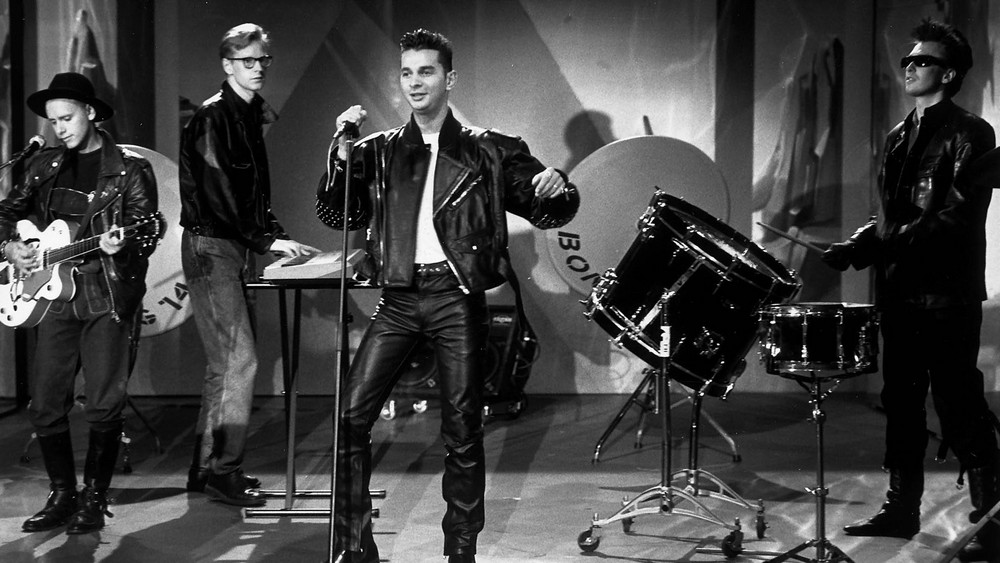
Covers and remixes keep the chassis alive: Rammstein later haul the song into industrial metal, while the original 7″ and 12″ versions still show how carefully Depeche Mode built atmosphere from street-level noise. Return to Stripped and you hear 1986 with the polish off: engine tick, rocket hiss, a chorus that asks for presence instead of costume. The trees and fumes in the lyric feel less like scenery than tools Gore used to demand honesty.
That is why the single still opens deep-cut playlists and stands beside Never Let Me Down Again and Enjoy the Silence as proof that Mute-era Mode were studio craftsmen first. Press play for that entrance alone, then stay for how little decoration the band needs once the pulse locks. Few lead singles from 1986 still sound this close to the room where they were made.