From hardcore kids to sample architects
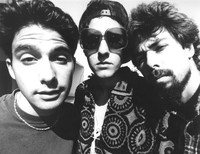
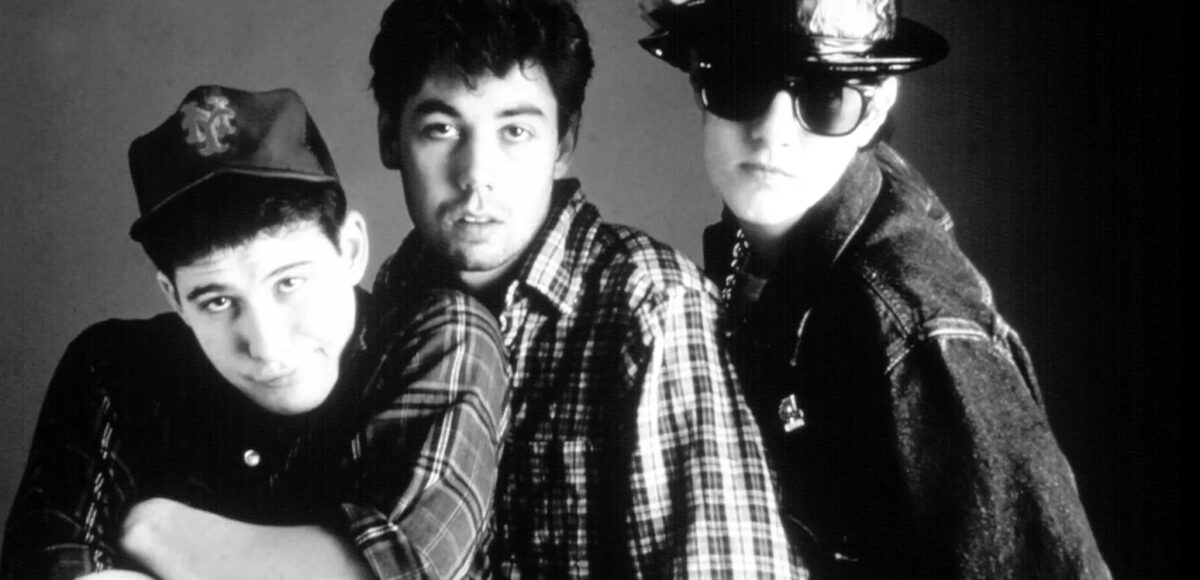
Before hip-hop stardom, Michael Diamond (Mike D), Adam Yauch (MCA), and Adam Horovitz (Ad-Rock) played hardcore punk as The Young Aborigines and then Beastie Boys on New York stages like CBGB. Licensed to Ill (1986, Def Jam/Columbia) flipped the script: “Fight for Your Right,” “No Sleep till Brooklyn,” and “Brass Monkey” put frat-party chaos and rock-guitar noise on rap radio. Critics called them a novelty; the record became the first rap album to top the U.S. chart.
The pivot that mattered came next. Paul’s Boutique (1989), produced with the Dust Brothers, layered hundreds of samples into a dense collage that barely repeated the first album’s sound. “Shake Your Rump,” “Hey Ladies,” and “Looking Down the Barrel of a Gun” moved through funk breaks, Beatles loops, and inside jokes. Sales were softer at first, but the album aged into a blueprint for sample-heavy hip-hop and proved the trio could grow up without going polite.
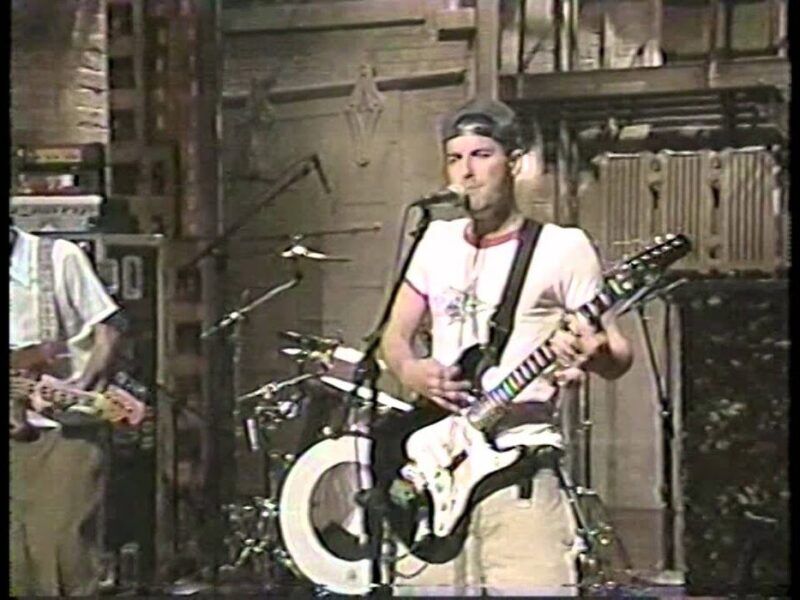
Check Your Head (1992) and Ill Communication (1994) brought live instruments back: MCA on bass, Horovitz on guitar, Diamond holding rhymes together. “So What’cha Want,” “Pass the Mic,” and “Sabotage” mixed punk energy with boom-bap; the Spike Jonze video for “Sabotage” turned the band into cop-show parody icons. Hello Nasty (1998) added “Intergalactic” and more electronic colour while keeping the same three voices trading lines.
Yauch’s Buddhism, activism, and production curiosity pushed the group toward Tibet benefits and smarter business choices, including their fight for sample clearance rights. Horovitz’s wit stayed sharp and self-deprecating; Diamond anchored the band’s public face and label affairs. After Yauch died in 2012, the Beastie Boys stopped releasing new music, honouring his wish that their work not be used in advertising without consent.
Influences span punk, early hip-hop, and crate-digger funk. Run-DMC and LL Cool J sit beside Bad Brains and Agnostic Front in the origin story. On record, James Brown breaks, Led Zeppelin riffs, and obscure soul snippets coexist because the Dust Brothers and later the band themselves treated the studio as a DJ booth with live players wandering in.
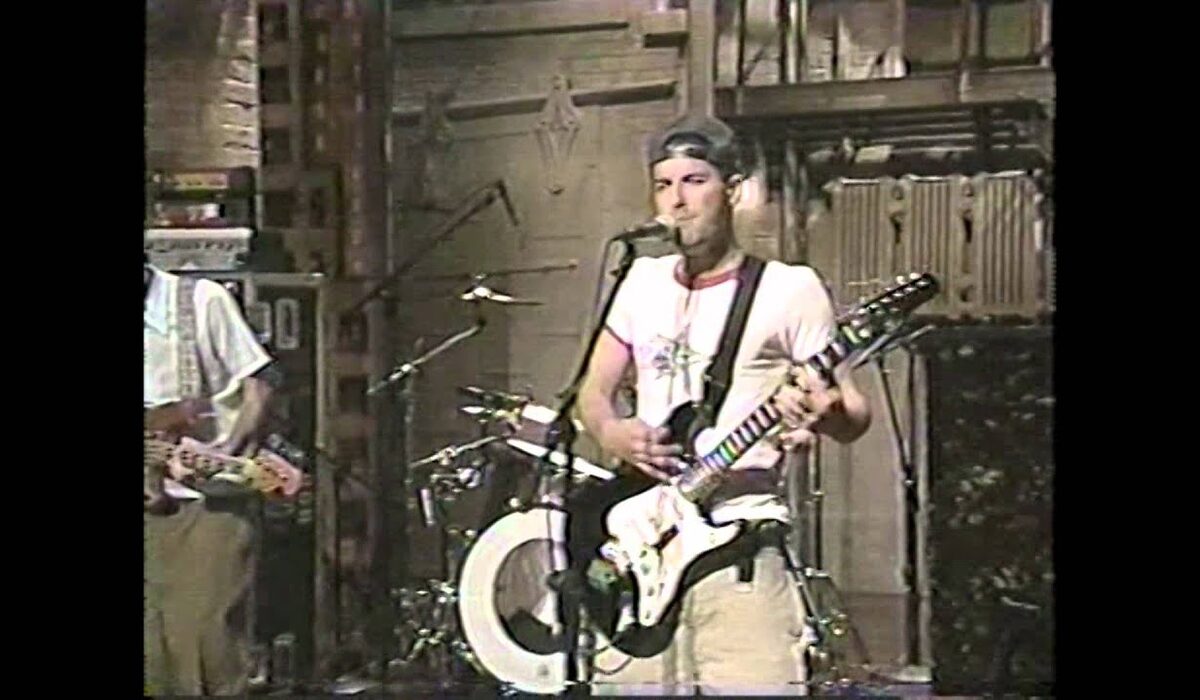
Sonically, listen for shouted verses in close harmony, drum loops that snap, bass that can be sampled or played, and guitars used as texture rather than solo show. The voice blend is unmistakable: three New York accents, comic timing, sudden seriousness on tracks like “Sure Shot” or “The Update.” Mixes on Paul’s Boutique feel like changing stations; later albums open space for funk and punk to breathe in the same song.
Entry points: Licensed to Ill for the chaos era. Paul’s Boutique for the sample masterpiece. Check Your Head for live-band hybrid. Add “Sabotage,” “Intergalactic,” “Root Down,” and “Make Some Noise” to hear four decades of reinvention. To the 5 Boroughs (2004) and Hot Sauce Committee Part Two (2011) showed they could still rhyme over modern production without pretending to be twenty again. The anthology Solid Gold Hits covers radio history if you want a shortcut.
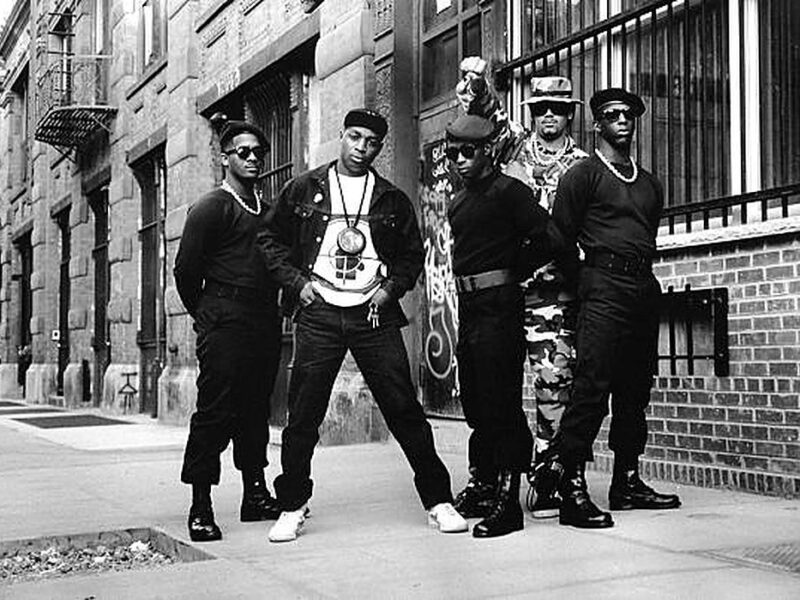
Compared with Run-DMC, the Beasties started whiter and punkier but ended equally serious about beats. Compared with Public Enemy, they chose humour and collage over manifesto, without ignoring politics entirely (see “In a World Gone Mad” or Yauch’s later work). Compared with late-80s rock-rap bands, they kept evolving instead of repeating one trick.
Live, they were a party with rules: no beer sales at some Tibet shows, careful sound, three MCs running the stage like old friends arguing. They could swap from “Sabotage” rage to disco breakdown without losing the crowd, because the setlists treated humour and heaviness as equals. That friendship is audible on record; even at their loudest, they sound like a gang that listens to each other.
The Beastie Boys deserve attention because they mapped how a band could cross genres without losing identity: punk roots, hip-hop craft, sample law battles, and jokes that still land. They kept rewriting the break, album by album, until the break became a whole language.