Charterhouse prog, Gabriel exit, Collins-era charts
In 1967, five students at Charterhouse School in Surrey patched together a band from leftover beat groups and rehearsal-room ambition. Tony Banks and Peter Gabriel had already tried pop; Mike Rutherford and Anthony Phillips brought guitar textures; a young drummer named Chris Stewart held the kit until Phil Collins arrived from a Hollies audition circuit. The name Genesis stuck because Jonathan King, their first producer, liked the word on a label list. What followed was not instant fame but a slow climb through English progressive rock, then a second act that learned to smile for MTV.
Early Genesis lived on long pieces, fairy-tale costumes, and Gabriel’s knack for turning a lyric into a small play. From Genesis to Genesis (1974), the records grew bolder: “The Musical Box” from Nursery Cryme (1971), the side-long “Supper’s Ready” on Foxtrot (1972), and the pastoral England sketches of Selling England by the Pound (1973). Steve Hackett’s guitar added precision where Phillips had floated; Collins’s drums could whisper or snap. The Lamb Lies Down on Broadway (1974) was Gabriel’s farewell statement, a concept album about a Puerto Rican street kid that still feels like theatre on vinyl.
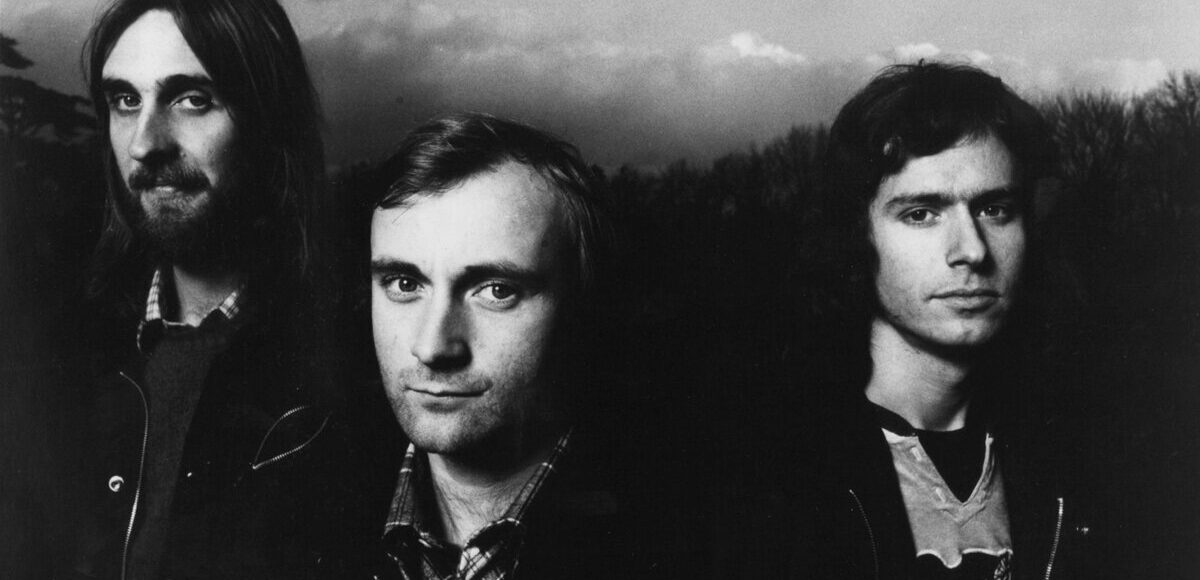
When Gabriel left after the Lamb tour, many assumed Genesis would fold. Instead Banks, Rutherford, and Collins shared the microphone on A Trick of the Tail (1976) and found a cleaner, less masked voice. “Dance on a Volcano” and “Ripples” kept the harmonic ambition; “Entangled” showed Collins could sing vulnerability without a fox head. Wind & Wuthering (1976) followed, then Hackett departed. …And Then There Were Three… (1978) shortened songs and leaned on radio-friendly shapes without abandoning odd meters entirely.
The 1980s split the audience but expanded the room. Duke (1980) and Abacab (1981) traded Mellotron fog for drum machines and sharper edits. “Misunderstanding” and “No Reply at All” proved the trio could write hooks that did not need a twenty-minute suite behind them. Genesis (1983) and Invisible Touch (1986) pushed further: Collins’s voice on “Invisible Touch,” “Land of Confusion,” and “Tonight, Tonight, Tonight” dominated airplay, while Banks’s chords still carried prog harmony under the gloss.
Influences were always plural. King Crimson and The Nice sat beside Beatles melody and church-boy harmony training. Gabriel brought William Blake and Victorian ghost stories; Banks brought Romantic piano and jazz voicings. Later, Collins’s love of American soul and Motown backbeat changed the groove without erasing the band’s harmonic fingerprint. You still hear suspended chords and sudden modulations in chart hits that sound simple on first listen.
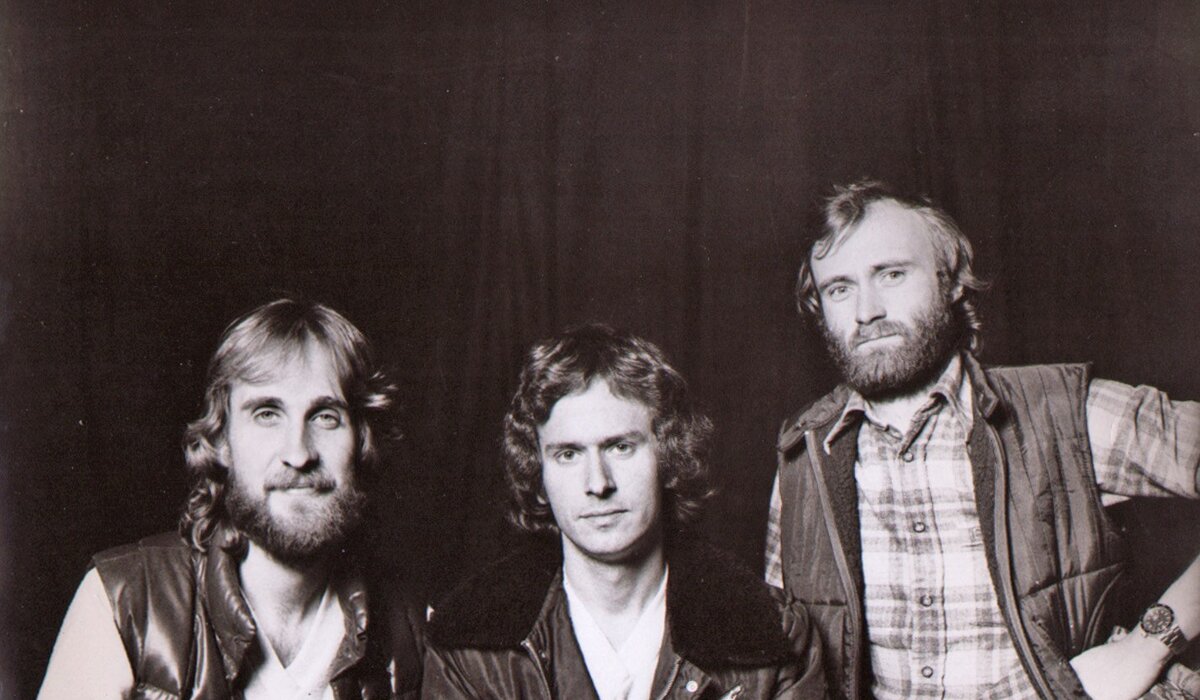
Sonically, map two eras. Gabriel Genesis: reverb-heavy drums, Hackett’s sustaining lead, Rutherford’s twelve-string, Banks’s organ layers, Gabriel switching from whisper to bark. Collins Genesis: tighter rooms, gated reverb on drums, shorter forms, Rutherford often on bass and guitar in the trio years, Banks anchoring with keyboards that could sound orchestral or synthetic depending on the decade.
Entry points depend on which face you want first. Selling England by the Pound for the classic quintet at full strength. A Trick of the Tail if you want the post-Gabriel surprise. Abacab or Genesis (1983) for the bridge to pop. Add “Firth of Fifth,” “The Cinema Show,” “Follow You Follow Me,” and “Mama” to a playlist and you hear four different bands wearing the same name.
Compared with Yes, Genesis told stories on stage instead of stacking solos for their own sake. Compared with Emerson, Lake & Palmer, they kept humour and English eccentricity in the frame. Compared with Peter Gabriel’s solo career, the band version stayed more band-first: even at Invisible Touch, Banks and Rutherford’s writing signatures remain audible.
Live, the Gabriel years were famous for costumes and props; the Collins years were famous for stadium scale and drum risers. Both were honest to the records they were selling at the time. Reunion chatter followed Collins’s solo fame, and the 2007 Turn It On Again tour proved the catalogue could still fill arenas, even if the prog purists and pop fans never fully agreed on which chapter mattered most.
Genesis rewards attention because the arc is so visible: from schoolboy prog to global pop, without pretending the two halves were the same band. Listen for the handoffs, Gabriel to Collins, Hackett to Rutherford on strings, Banks holding the thread. The smile in the title is not irony. It is the moment the choruses opened up and the same writers decided a hit could still carry clever harmony underneath.