From hardcore kids to sample architects
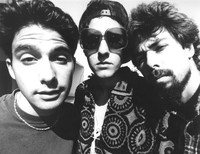
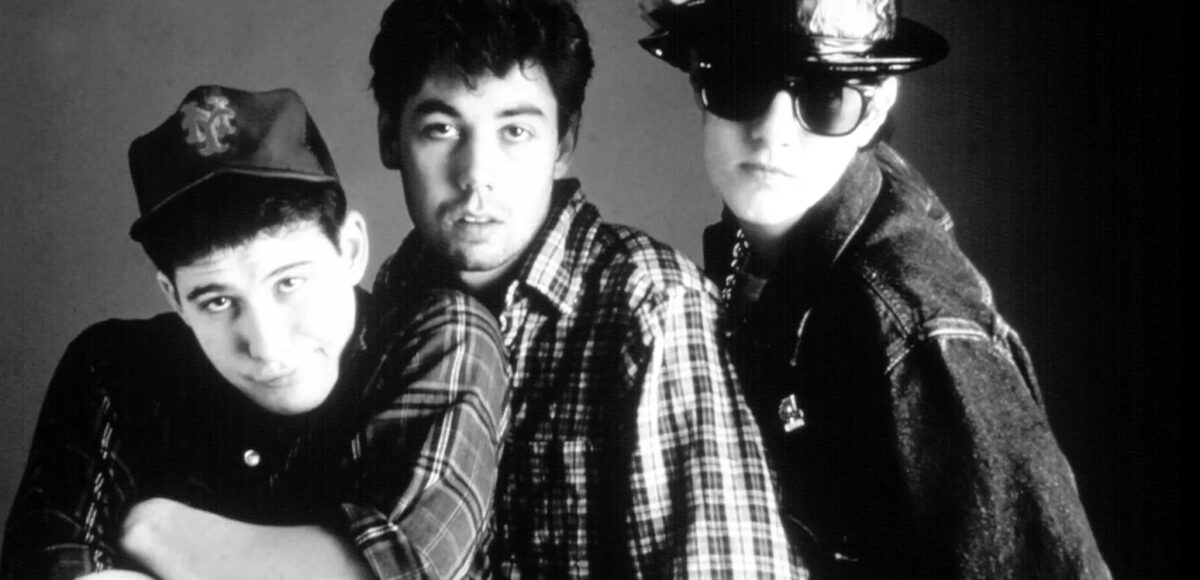
Three New York kids started in hardcore punk rooms, then turned turntables, samples, and jokes into a hip-hop career that refused to freeze in 1986. Michael Diamond (Mike D), Adam Horovitz (Ad-Rock), and Adam Yauch (MCA) carried punk volume into rap cadence without asking permission from either scene. Early singles and the Licensed to Ill era with Rick Rubin and Def Jam made them stadium pests: “Fight for Your Right”, “No Sleep till Brooklyn”, brat energy riding breakbeats that radio could not ignore.
Paul’s Boutique (1989), with the Dust Brothers, flipped the script hard. Dense sample collage, fewer novelty costumes, more crate-dig architecture stacked bar by bar. It sold slowly at first and later became a template for how far a hip-hop record could push reference density before the lawyers caught up. Check Your Head (1992) put live instruments back under the rhymes: bass, guitar, drums as part of the MC vocabulary again. Ill Communication (1994) and “Sabotage” made Spike Jonze’s fake-cop video a 90s constant on every channel that played clips.
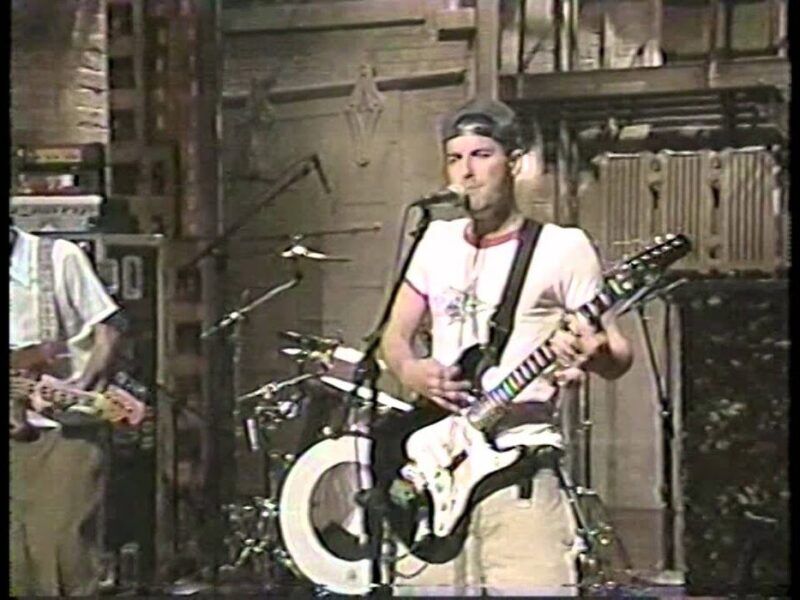
Hello Nasty (1998) brought Mix Master Mike into the fold and “Intergalactic” into heavy rotation. The trio kept touring as a band that could rap, play, and argue onstage without a safety net of guests. Activism and Tibetan Freedom Concerts showed MCA’s other priorities without turning every album into a pamphlet. The Beastie Boys Book and later documentaries underlined how much of the chemistry was friendship under pressure, three voices finishing each other’s jokes and each other’s bars.
They moved labels, built G-Son studios in Los Angeles, and treated each album as a chance to refuse the previous costume. Punk roots never fully left the live shows: volume, sweat, and a refusal to stand still behind two turntables only. Sampling lawsuits and clearance culture tightened around them; their middle period still sounds like a masterclass in collage recorded just before every bar needed a clearance spreadsheet.
Adam Yauch died in 2012. Mike D and Ad-Rock closed the band chapter rather than hire a replacement. The records remain as a map: noisy youth, sample dens, live-band grit, and three MCs trading lines like a conversation that never quite finished. Later generations of producers still dig Paul’s Boutique for permission to stack weirdness. Later bands still cite Check Your Head when they want rap and rock in the same room without apology.
The practical lesson is revision. Licensed to Ill made them famous as a joke that sold. Everything after asked whether three friends could outgrow the joke without losing the punchline timing. They answered with albums that changed tools: samples, then instruments, then DJ wizardry, then activism that sat beside the music instead of replacing it. That is why the catalogue feels like several careers sharing one name.
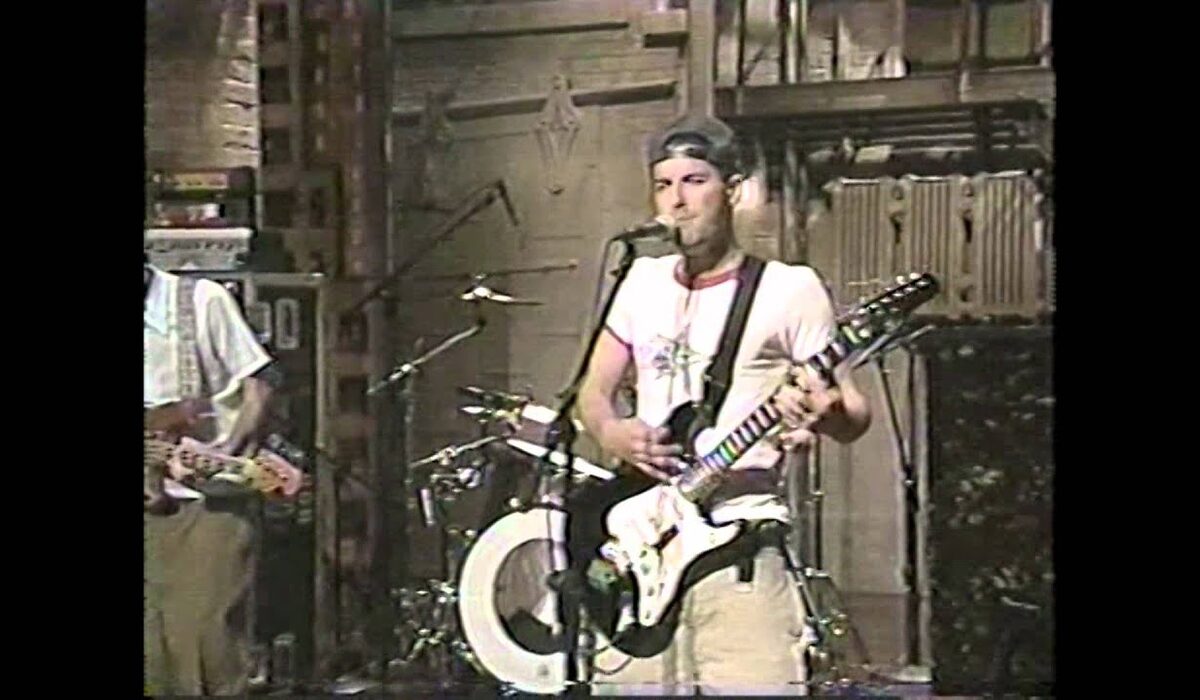
Drop “Sabotage” or flip through Paul’s Boutique and the lesson holds: stay loud, stay curious, refuse the first costume that made you famous. Beastie Boys turned a bratty debut into a long argument with their own catalogue, and won by changing the beat before anyone else finished copying it.
Three MCs. One long rewrite. A breakbeat that never sat still long enough to become a museum piece.
Merchandise, documentaries, and museum exhibits later framed them as history. The records still argue otherwise: keep the break moving, keep the joke sharp, keep the friendship louder than the costume that first sold tickets.