
Detroit Stooges, Berlin with Bowie, then decades of the same raw baritone
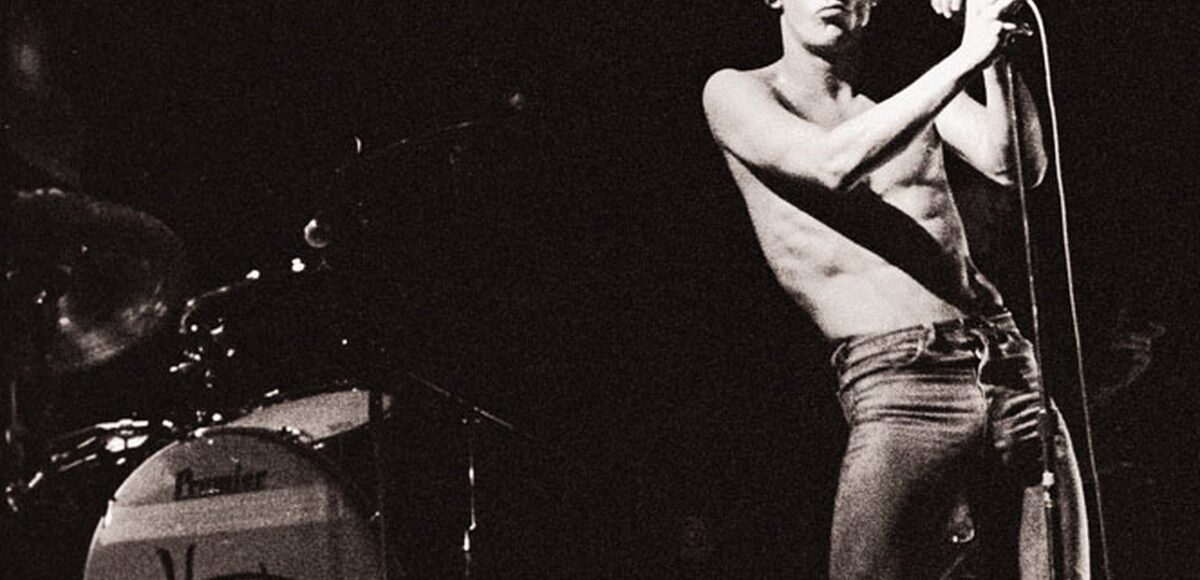
In 1967 Detroit, James Osterberg dropped the drums he played in high school bands and stepped to the microphone as Iggy Pop, fronting The Stooges with Ron and Scott Asheton on guitar and drums and Dave Alexander on bass. The city was muscle-car loud and factory tense; the music matched it with minimal riffs, feedback, and a singer who crawled on glass and invited chaos. The Stooges (1969) and Fun House (1970) sold little at first but documented punk before the name existed.
Raw Power (1973), mixed by Iggy and often argued over with David Bowie later, tightened the attack: “Search and Destroy,” “Gimme Danger,” and the title track are three-chord storms with a vocal that sneers and pleads in the same breath. The band broke up, Iggy struggled with drugs and bad deals, and for a while the story looked like a cautionary tale.
Berlin changed the second act. Bowie produced and co-wrote on The Idiot (1977) and Lust for Life (1977), adding keyboards, dub space, and song shapes that could fit radio without sanding Iggy’s edge. “The Passenger,” “Lust for Life,” and “Nightclubbing” show a baritone that could swing; “China Girl,” co-written with Bowie, later became a hit for him, but Iggy’s version keeps the unsettled undercurrent.
Solo decades followed: New Values, Soldier, Instinct, Blah Blah Blah with “Real Wild Child,” American Caesar, Naughty Little Doggie, and late-career surprises like Preliminaires and Post Pop Depression (2016) with Josh Homme, which paired Iggy’s weathered voice with desert-rock weight. He kept touring through reinventions, sometimes with a stooge-less band, sometimes with reunion lineups that reminded arenas how loud three chords could still feel. The Stooges reunited with the Ashetons and later Mike Watt on bass, touring until Ron Asheton’s death and Scott Asheton’s health decline ended the line again.
Influences include Detroit garage, blues brutality, free jazz volume, and Bowie’s art-pop discipline when the two worked together. Iggy cites jazz vocalists and French literature as often as rock heroes; the intellectual curiosity shows in interviews even when the stage show stays feral.

Sonically, early Stooges: guitar sludge, drum thump, bass simple and loud, voice dry and close. Berlin records add piano and synthetic sheen without losing the pulse. Later solo work ranges from glossy 80s production to stripped garage revisits. Through all of it, the baritone remains the identifier: not pretty, but committed.
Entry points: Fun House for the primal Stooges. Lust for Life for the Berlin groove. Raw Power for the rock punch. Solo: “The Passenger,” “Lust for Life,” “Candy,” and “Nightclubbing.” Live albums and footage from Cincinnati or 1970s TV show why the legend stuck: presence, not perfection.
Compared with Mick Jagger, Iggy took the stage damage further and traded polish for exposure. Compared with Lou Reed, he kept the body in the performance: sweat, stage dive, bruise. Compared with later punk singers, he had melody when he wanted it, especially after Bowie.
Film and TV kept him visible: Sid and Nancy cameo, The Crow soundtrack, repeated late-night performances where he still moved like a man half his age. Younger bands lined up to cite him: Sonic Youth, Red Hot Chili Peppers, and later Josh Homme treated an Iggy feature or tour slot as a masterclass in commitment, not nostalgia. He became the “Godfather of Punk” in press copy, but the records are the argument: attitude encoded in song structure, not just stage myth.
Iggy Pop rewards listening because the scream grew into a career without smoothing the voice. The Stooges material still feels dangerous; the Berlin albums prove he could dance; the solo years show survival as craft. Start anywhere honest, turn it up loud, and the same baritone still asks why you ever wanted safe music.