
Detroit Stooges, Berlin with Bowie, then decades of the same raw baritone
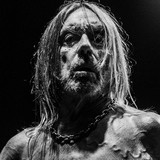
James Newell Osterberg Jr. was born in Muskegon, Michigan, on 21 April 1947 and raised in a trailer park near Ann Arbor. He drummed in high-school bands first, then fronted The Stooges with brothers Ron and Scott Asheton and bassist Dave Alexander. The Stooges (1969) and Fun House (1970), both for Elektra, put «I Wanna Be Your Dog», «1969», «Down on the Street» and «TV Eye» into the rock vocabulary: two-chord grind, a barked vocal, no comfort. Raw Power (1973), with James Williamson on guitar and a David Bowie remix fight in the credits, pushed the volume further on Columbia. The band collapsed in drug fog and cancelled dates. The myth did not.
In 1976 Bowie pulled him toward Berlin and a second act. The Idiot (1977), written largely with Bowie, slowed the pulse: «Nightclubbing», «Funtime», «China Girl», a colder room recorded in France and Germany. Lust for Life (1977) opened with the title drum figure played by Hunt Sales and «The Passenger», written with Ricky Gardiner. Tony Sales held the other half of the rhythm section. The voice was still Iggy, but the songs had choruses radio could learn. He had turned a Stooges scream into a solo career without sanding off the bark.
The later catalogues are uneven on purpose: New Values (1979) with Williamson, Soldier (1980), Blah-Blah-Blah (1986) with «Real Wild Child (Wild One)», Brick by Brick (1990) with «Candy», then Post Pop Depression (2016) with Josh Homme and Arctic Monkeys’ Matt Helders. He acted in films from Cry-Baby to Dead Man, narrated documentaries, and kept touring shirtless long after the joke should have worn out. The Stooges reformed in the 2000s with Asheton and later Williamson for reunion sets and The Weirdness (2007) before Ron Asheton’s death in 2009. Iggy continued as a solo headliner.
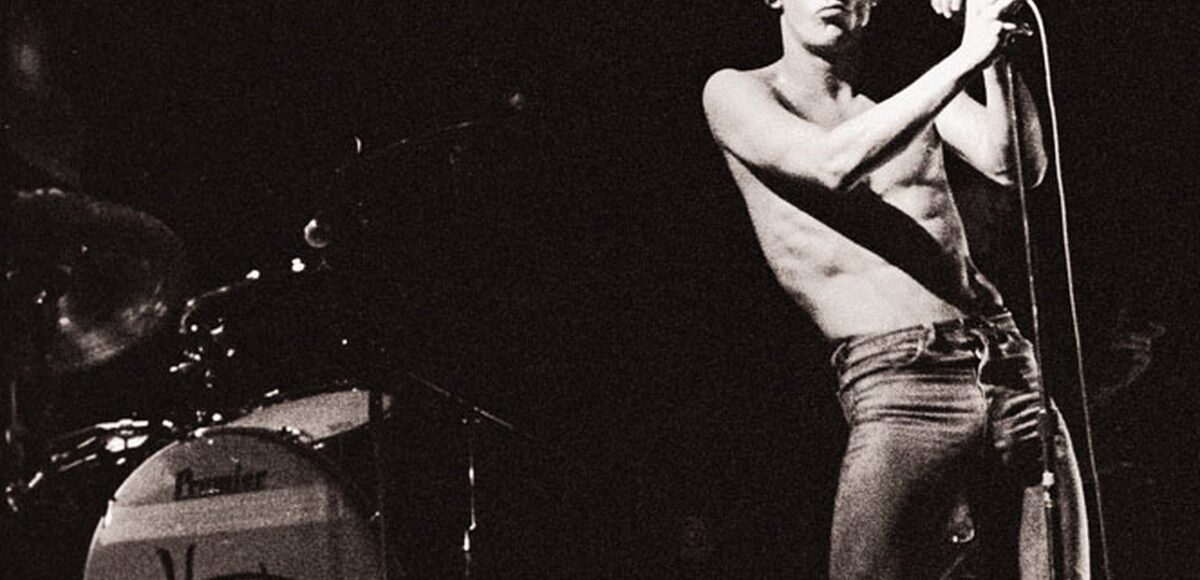
What younger punks borrowed was the body on the mic stand and the refusal to stand still. What the records actually deliver is a baritone that refuses to sweeten: Stooges grind, Berlin art-rock, then a long run of albums that treat age as material, not apology. He remains a guest star on other people’s hits when the contact book opens, but the core catalogue is his own.
Stage craft stayed physical even when the tempos cooled. He still dives, still talks between songs like a man who knows the room is watching the torso as much as the lyric. The joke works because the songs underneath are durable.
European audiences kept him booked when American radio treated Stooges records as cult objects. French and German TV appearances from the Lust for Life era show a singer who could mime and still look dangerous. Later collaborators from the Sales brothers to Homme treated him as a peer, not a museum piece. That continuity is why a 1970 Fun House riff and a 2016 Homme guitar part can sit in the same setlist without apology.
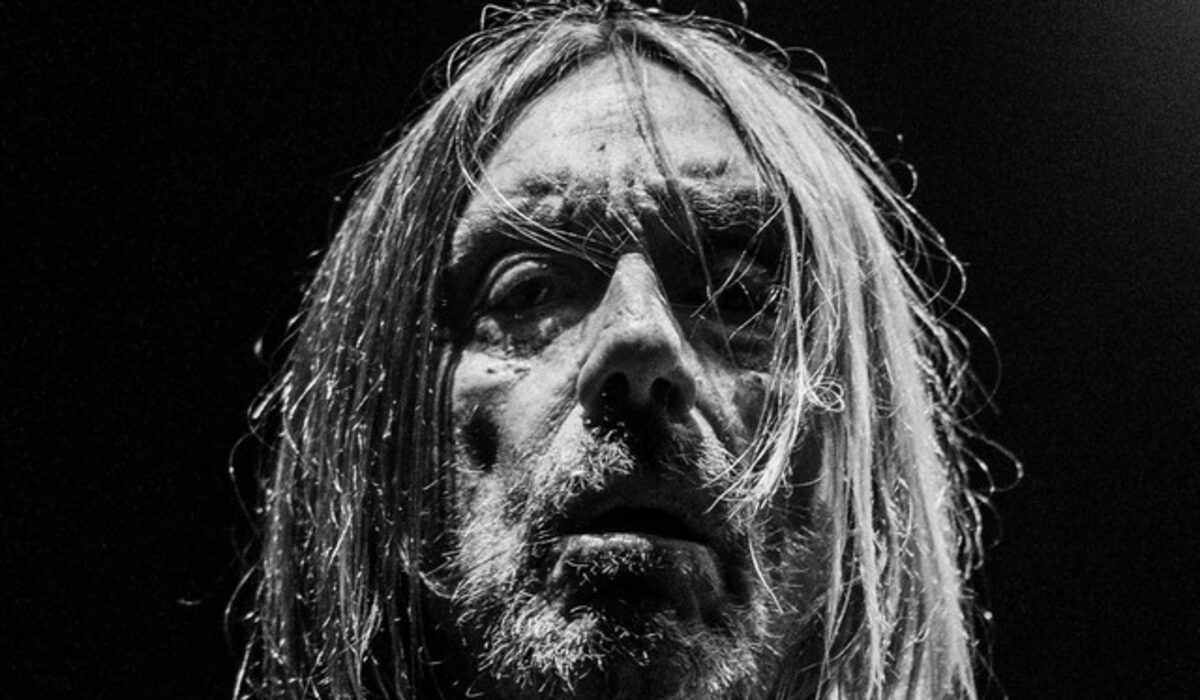
Put on «I Wanna Be Your Dog» next to «The Passenger» and you hear the same will to stay in the centre of the frame. The arrangements change. The stare does not.
Call him the godfather of punk if the nickname helps the playlist. The Stooges albums, The Idiot and Lust for Life argue for a plainer job: a Michigan singer who outlasted the band that invented his name and kept the scream employable.