
August 1978, piano at Super Bear, the single five months later
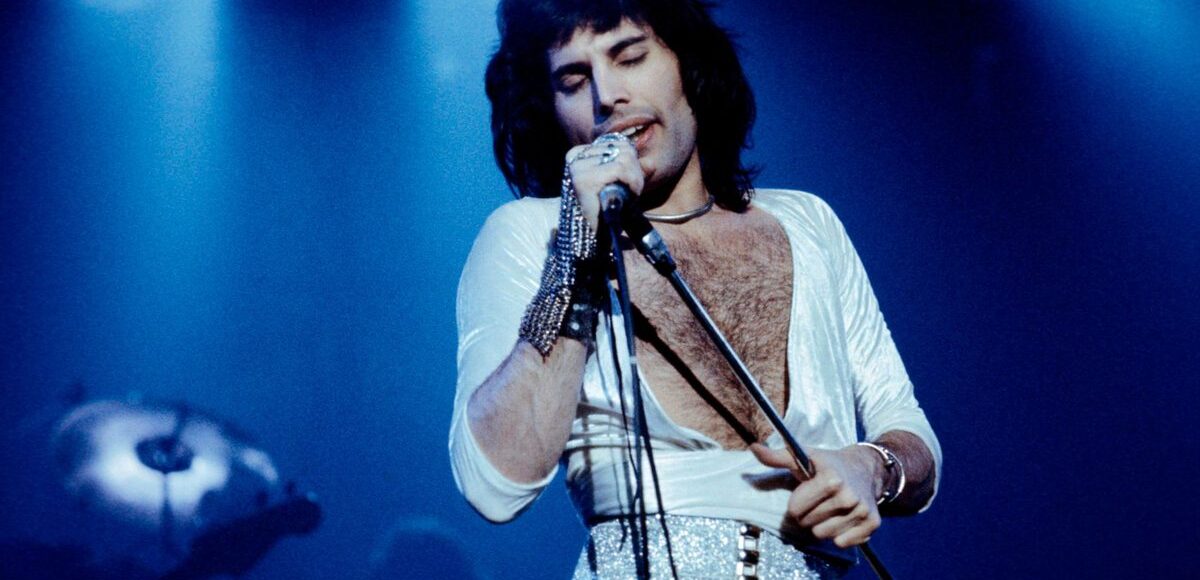
In August 1978, at Super Bear Studios in France, Freddie Mercury cut Don’t Stop Me Now at the piano. Queen were in Berre-les-Alpes, in the hills above Nice, making the album that would be called Jazz. Mercury had written the words and the music. Roy Thomas Baker was producing again, with the band. On the finished record the song sits just before Roger Taylor’s More of That Jazz, near the end of the side. Jazz came out on 10 November 1978. Super Bear was a residential studio: the band lived on the hill while Baker ran the dates. The piano was not a sketch left under a later overdub. It is the record.
The studio parts are easy to separate. Mercury sang the lead, sang the backing vocals and played piano. Brian May’s guitar on the record is essentially the solo. Taylor played drums, percussion, tambourine and triangle, and he sang. John Deacon played bass. Live, the next year, May added rhythm guitar that the studio cut barely has. The single followed on 26 January 1979 in Britain, on EMI, with Deacon’s In Only Seven Days on the B-side. It entered the chart on 10 February and peaked at number 9. In the United States, Elektra issued it with More of That Jazz on the flip, and it reached number 86 on the Billboard Hot 100.
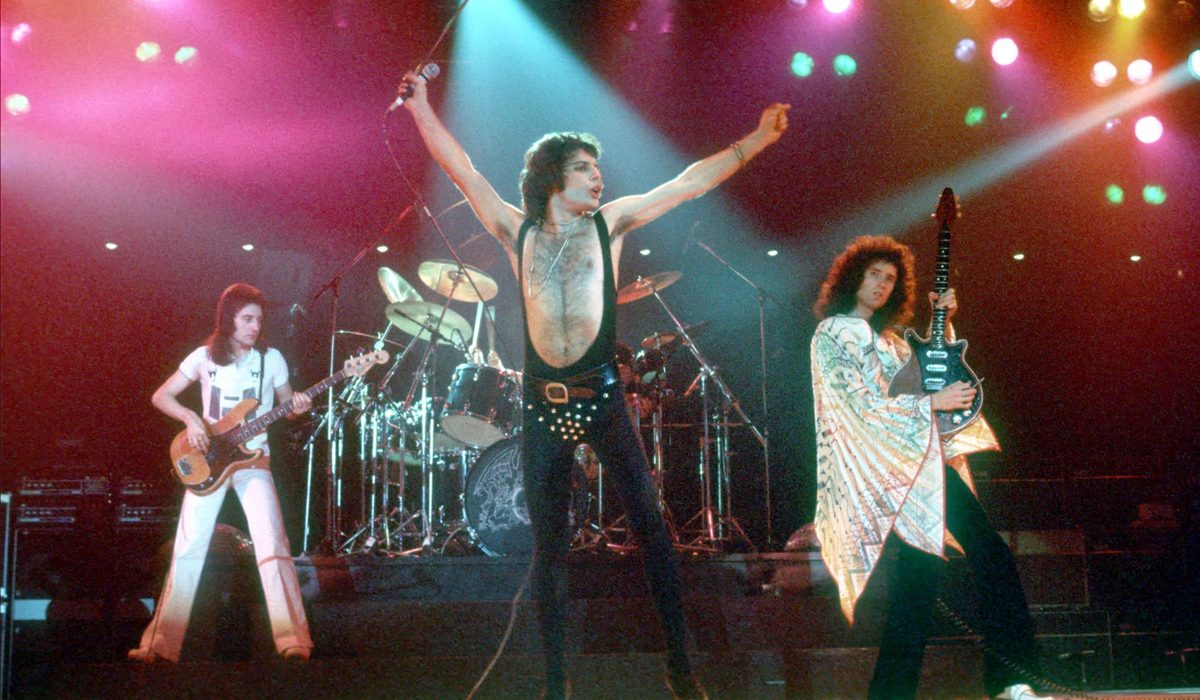
The video, directed by J. Kliebenstein, was filmed on the day of the British release, 26 January 1979, at Forest National in Brussels. With Mercury, the band played the song on the Jazz tour and the Crazy tour that year, and it is on Live Killers. May heard the fun and, under it, the worry. The lyric is a night that refuses to be interrupted. Inside the band, in 1978, the worry was already about Mercury.
I thought it was a lot of fun, but I did have an undercurrent feeling of, “Aren’t we talking about danger here?” Because we were worried about Freddie at this point.
(Brian May, Absolute Radio, 2011)
The song’s second public life is worth one concrete fact, because it changed who met it. The 2004 film Shaun of the Dead put the chorus in a pub and sent a new audience back to a single that had never been a number 1. On the record itself, nothing needed rescuing. The piano figure is the engine. The solo is the release. Taylor’s tambourine and triangle keep the track from turning into a speech about speed.
What May heard in 1978 is still in the mix. Don’t Stop Me Now is cheerful in the plain sense: a singer who has decided not to be stopped, played from a piano in a residential studio in the Alpes-Maritimes, issued in the winter, and stopped on the British chart at number 9. The undercurrent did not make the edit. The piano did.